
Last updated November 14, 2026
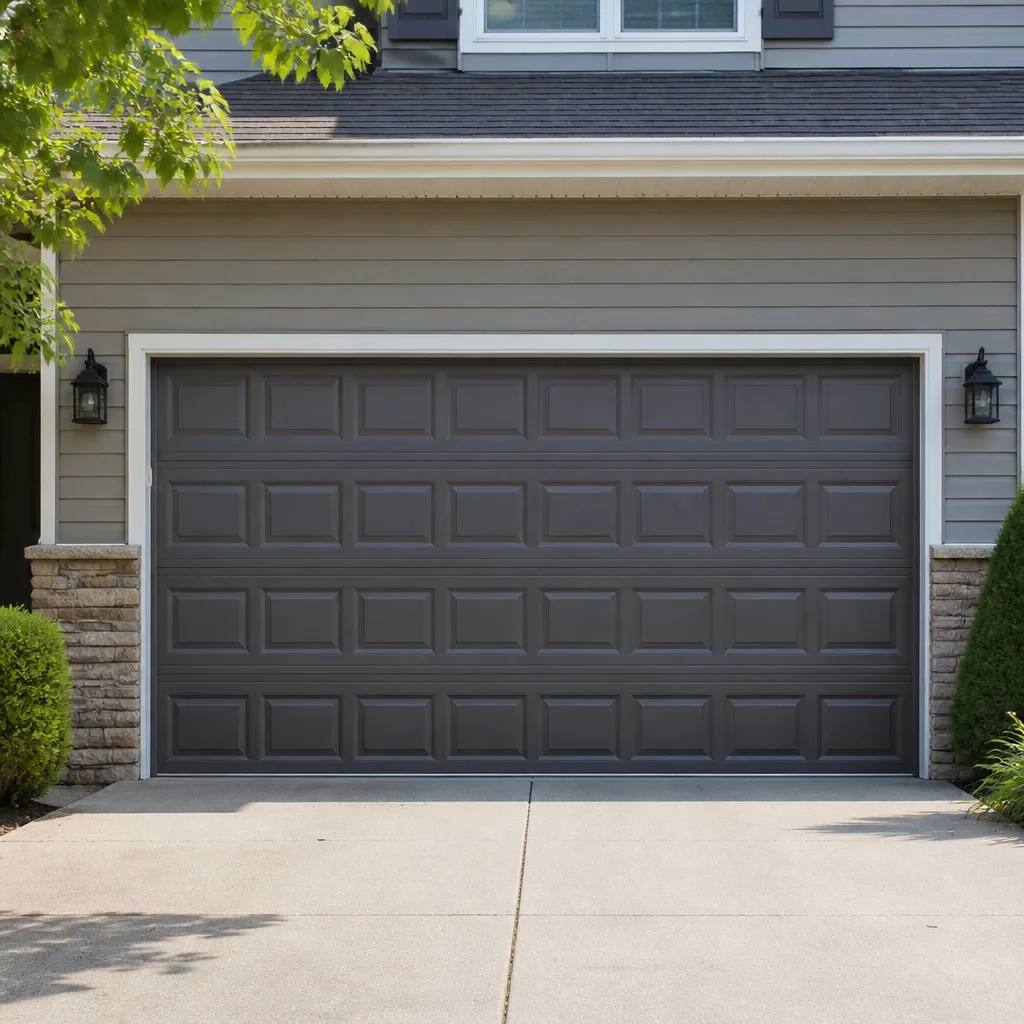 Raised-panel steel
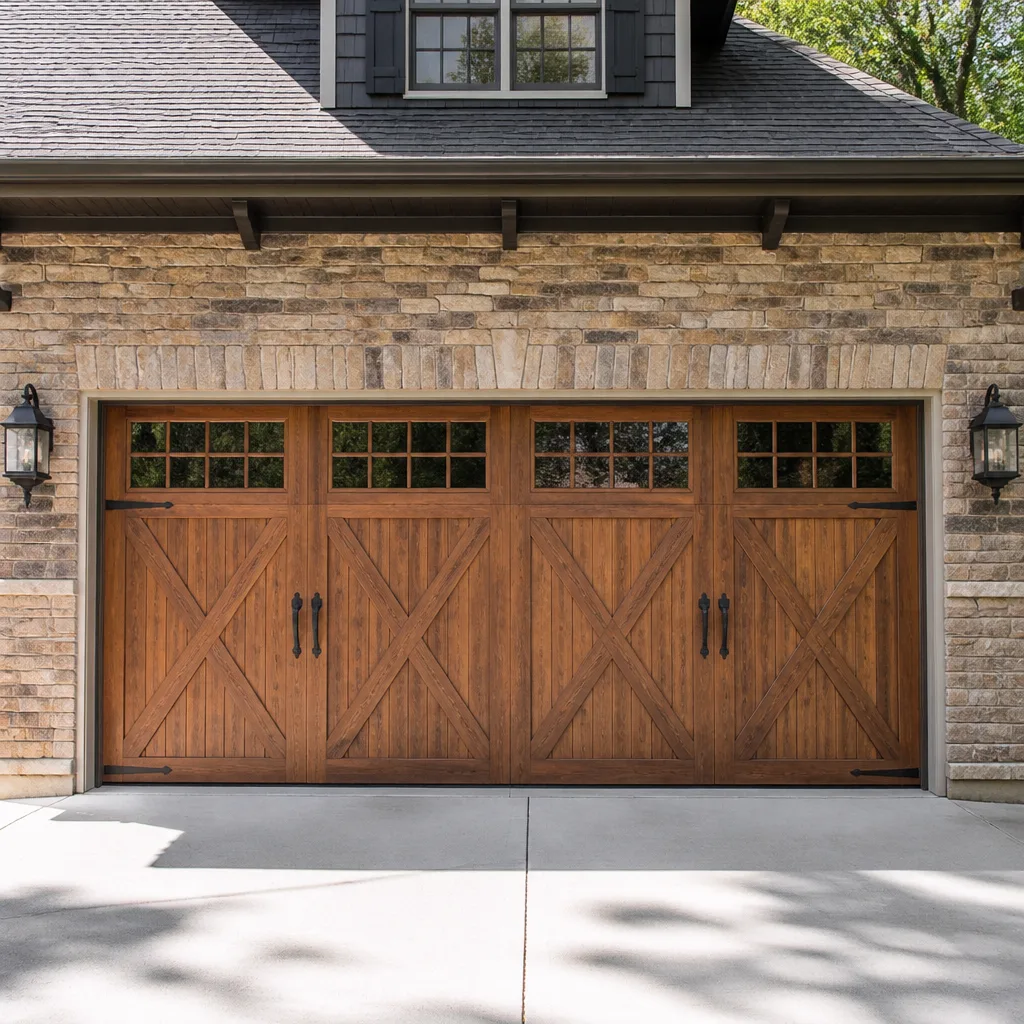 Carriage house
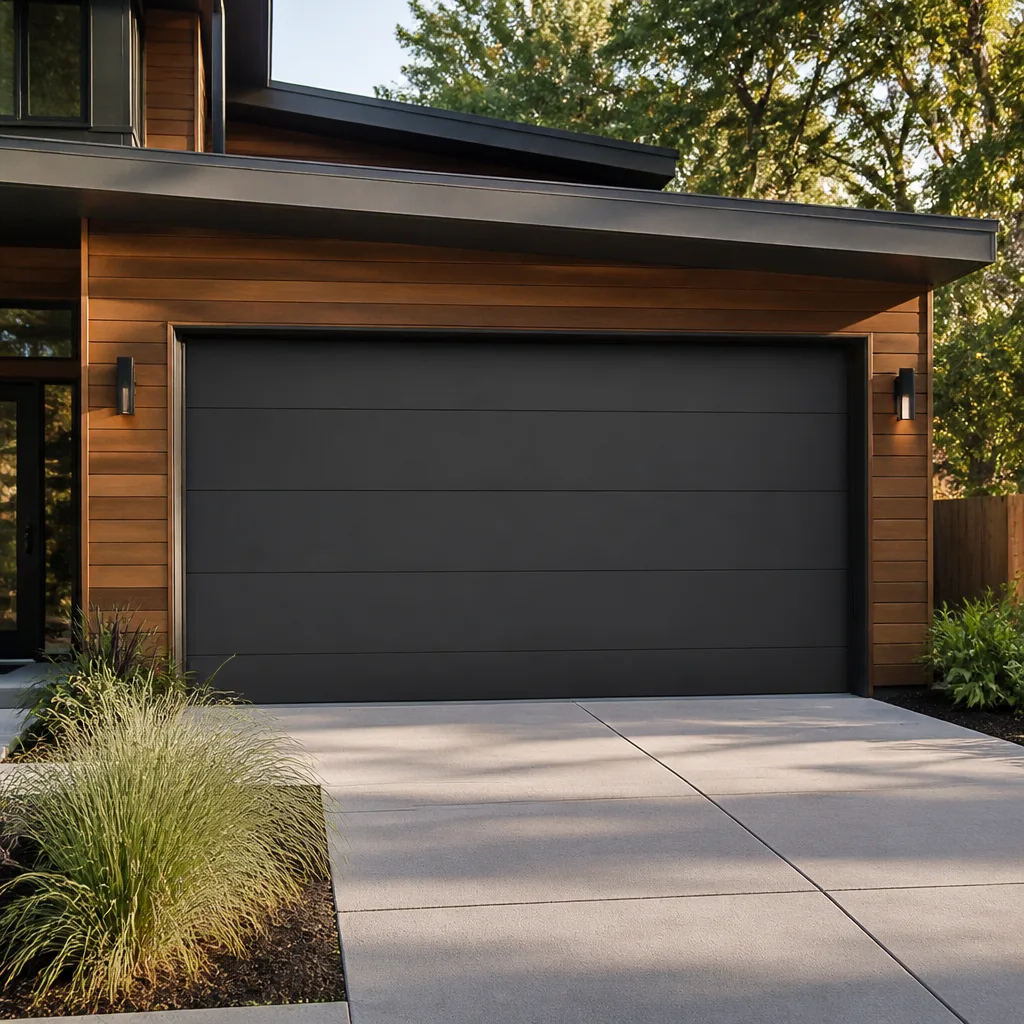 Modern flush
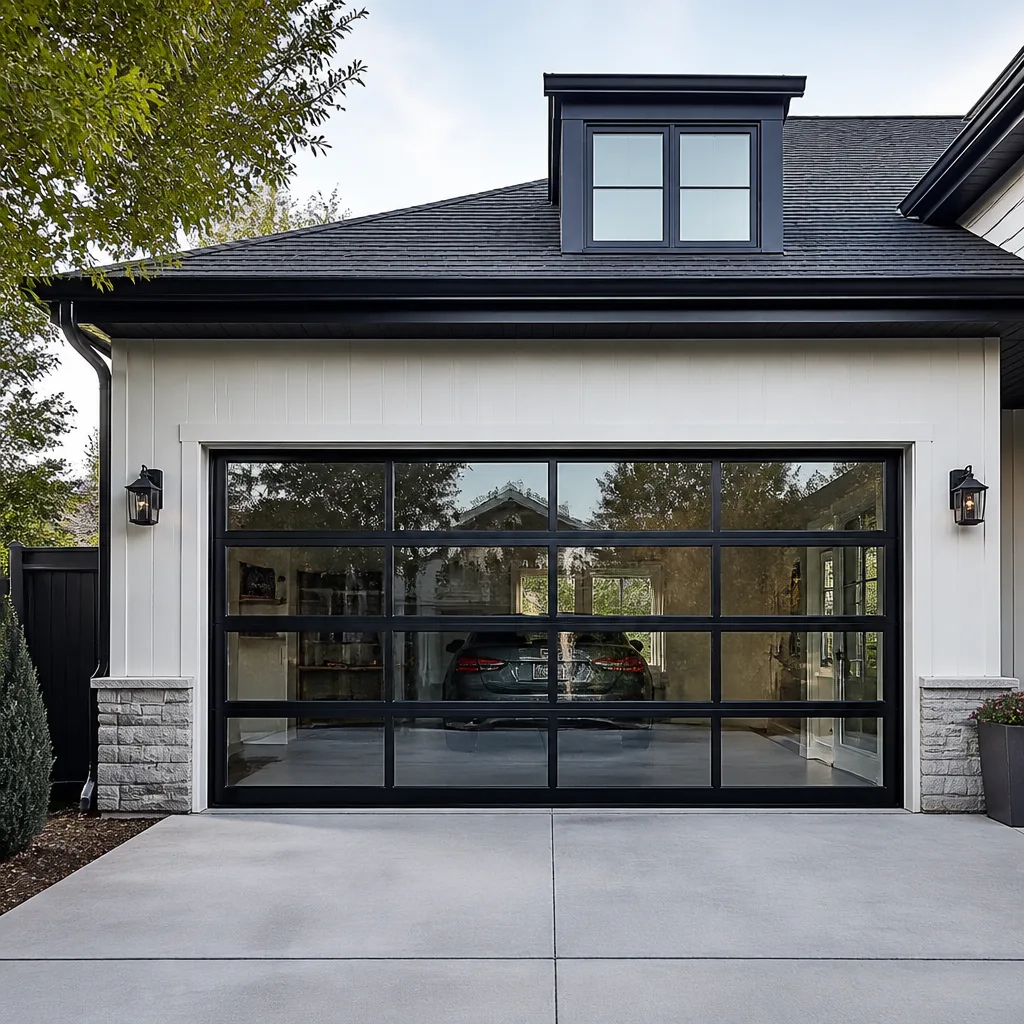 Full-view glass
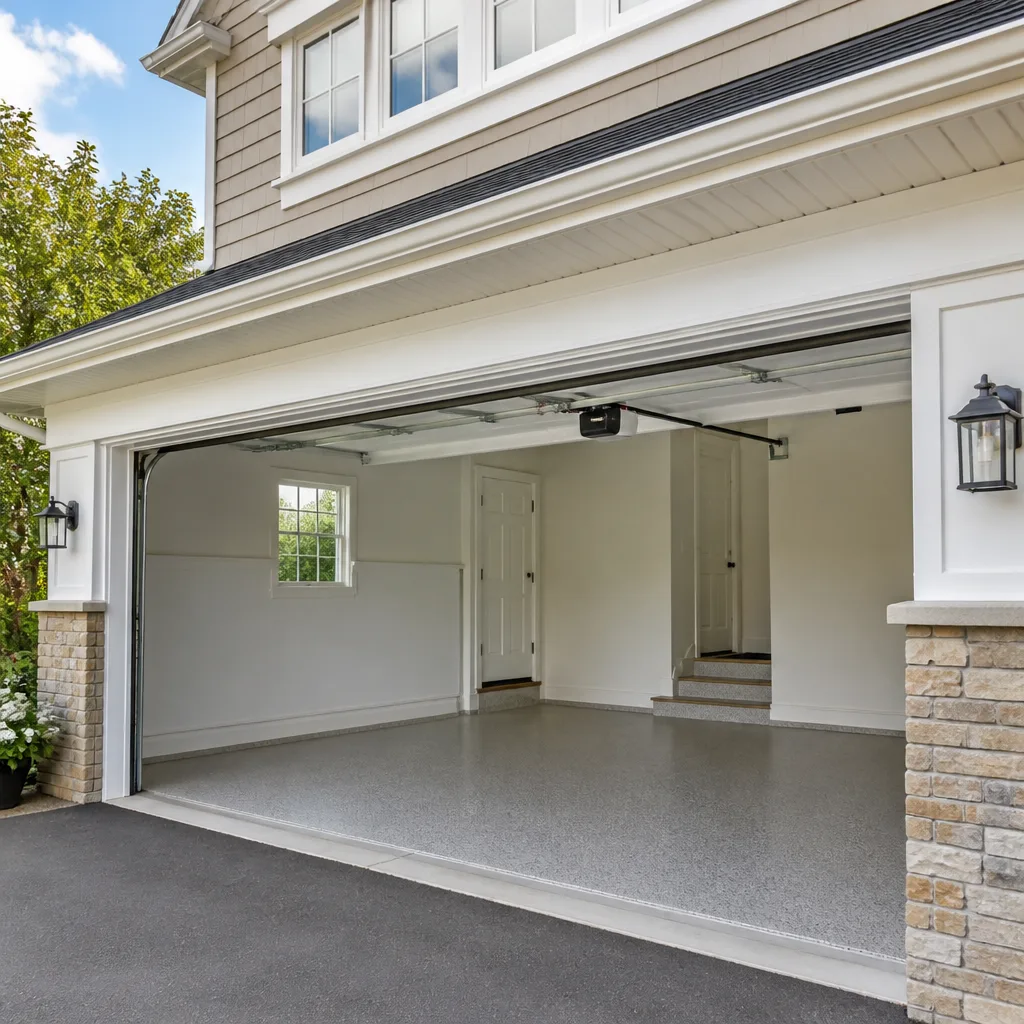 LiftMaster openers
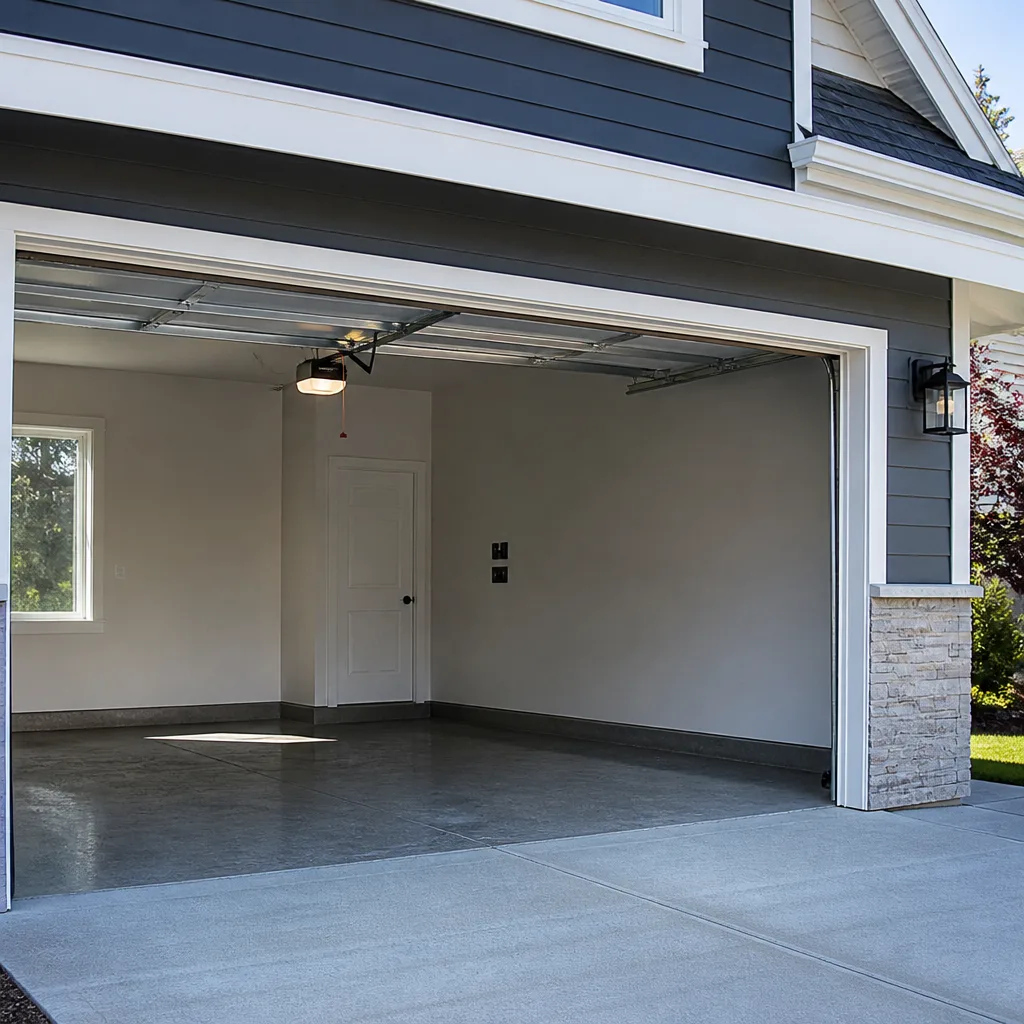 Chamberlain openers
Full 25-point door and opener safety check with every visit - springs, cables, rollers, tracks, and your LiftMaster or Chamberlain opener included
You get a price before we start. It does not change when the truck arrives.
Get your free estimateThe Complete Guide to Garage Doors in Portland
Most garage door guides are written for Phoenix or Dallas. They assume heat, dry air, and a door that spends its life baking in the sun. Portland doesn’t work that way. We get rain on roughly 144 days a year, and a door that sails through twenty summers in Arizona can warp, swell, and rust in five wet winters here. The advice you find online is often built for a climate that isn’t yours, which is why so many Portland homeowners end up replacing parts that should have lasted years longer. This guide is built around what actually holds up in Portland: the materials, openers, and service patterns that fit our weather, our older housing stock, and our city’s rules.
Key Takeaways
- Portland’s wet winters punish wood doors, bare-metal springs, and cheap bottom seals faster than national product specs assume.
- Older Craftsman and bungalow homes often have non-standard rough openings, which affects which brands and sizes fit.
- Replacement usually triggers a city permit; repair generally doesn’t. Ask the Bureau of Development Services before you commit.
- Belt-drive openers tend to suit Portland’s humidity-heavy, temperature-stable environment well.
- Get a written estimate before any work starts, and match the technician to your door’s brand.
Quick Answer
A garage door in Portland needs a wet-climate mindset: sealed or composite materials over raw wood, springs with proper corrosion protection, and an opener built for steady humidity rather than extreme heat or cold. If your door is sticking, sagging, or failing to seal, the fix is usually a targeted repair rather than a full replacement. And because Portland’s older homes often have non-standard openings, brand and size compatibility matters as much as price.
Styles & brands we work with
- Raised-panel steel
- Carriage house
- Modern flush
- Full-view glass
- LiftMaster openers
- Chamberlain openers
Table of Contents
- Why Portland’s Climate Is Hard on Garage Doors
- Choosing Door Materials for a Wet Climate
- How Portland’s Older Housing Stock Changes the Job
- Picking the Right Opener for Portland Homes
- Permits and Code: What Triggers the Bureau of Development Services
- What Garage Doors Cost in Portland
- Repair or Replace? How to Decide
- A Simple Portland Maintenance Routine
Why Portland’s Climate Is Hard on Garage Doors
Portland sits in a marine climate: mild temperatures, a long wet season, and months where the air stays humid and the sun rarely dries things out. That combination degrades three parts of a garage door faster than most product specs assume: wood, spring coatings, and bottom seals.
Wood doors. Wood absorbs moisture and swells. In a dry climate that moisture leaves quickly. In Portland, a wood door can stay damp for weeks, and repeated swelling and shrinking eventually opens seams, lifts paint, and lets water into the grain. Warping follows. A wood door that’s fine in a dry market needs diligent sealing and repainting here to survive.
Spring coatings. Torsion springs are steel under constant tension, and most come with a coating meant to resist rust. In a humid climate, that coating gets tested. Bare or thinly coated springs can start to corrode, which shortens their life and can change how the door balances. It’s one reason we look closely at spring condition on any older door in Portland.
Bottom seals. The rubber or vinyl seal along the bottom of the door is the first line against water and drafts. Cheap seals harden and crack. Once a seal fails, rainwater and cold air get under the door, and the garage floor stays wet, which feeds the humidity problem from the inside.
None of this means a Portland door is doomed. It means the materials and coatings matter more here than a national buying guide will tell you. If you’re weighing a targeted fix against a bigger job, our garage door repair team can tell you which parts are actually failing and which are holding up.
Choosing Door Materials for a Wet Climate
In Portland, choosing a door is mostly a question of how the material handles moisture. The door that wins on price in a dry market isn’t always the one that lasts here. Here’s how the main options stack up.
- Steel. The most common choice, and a good one for Portland when the finish is sound. Steel resists moisture well, but any scratch that exposes bare metal can rust in our climate, so touch-up matters.
- Aluminum. Light and rust-resistant, which suits the wet season. It dents more easily than steel, so it’s a trade-off between corrosion resistance and durability.
- Composite and engineered materials. Built to resist moisture without the maintenance of wood. A practical fit for homeowners who want a wood look without repainting every couple of years.
- Wood. Beautiful and traditional, and the hardest to keep in Portland. If you choose wood, plan on regular sealing and repainting, and check the finish every fall before the rain sets in.
- Insulated panels. Worth considering for any attached garage, since insulation helps with temperature swings and condensation.
We install doors from Clopay, Amarr, Wayne Dalton, and Raynor, which cover a wide range of home styles and budgets. The right pick depends on your opening size, your home’s look, and how much upkeep you’re willing to take on. For a door that matches a Portland bungalow or a newer build, the material choice often comes down to how much moisture exposure that particular garage sees.
How Portland’s Older Housing Stock Changes the Job
Portland has a deep bench of Craftsman bungalows and older homes, and that matters for garage doors in a way that national guides rarely mention. Old garages were often built to whatever dimensions the builder had on hand, not to the standard sizes manufacturers produce today.
That creates a few practical issues:
- Non-standard rough openings. A door sized for a modern standard opening may not fit an older Portland garage without adjustment.
- Out-of-square framing. Older structures settle. A frame that’s slightly out of square can make a new door bind or seal poorly unless it’s measured carefully.
- Low headroom. Many older garages have less overhead clearance, which limits which opener types and track configurations will work.
- Brand compatibility. Some door brands offer more flexibility on custom sizing and low-headroom setups than others.
This is why a proper measure matters more in Portland than in a city full of newer, uniform construction. Before ordering anything, a technician should measure the actual opening, check the headroom, and confirm the frame is square. That step prevents the most expensive mistake in this trade: a door that arrives and doesn’t fit.
Picking the Right Opener for Portland Homes
Portland’s temperatures are mild and steady, but the humidity is high for much of the year. That points toward openers that handle steady damp better than extreme heat or cold. In practice, three drive types come up most often.
- Belt drive. The quietest option, and a good fit for a garage under or beside a bedroom. The belt handles humidity well and runs smoothly.
- Chain drive. Durable and proven, though louder. A solid pick for a detached garage where noise doesn’t matter.
- Screw drive. Fewer moving parts and generally low-maintenance, though less common in residential settings.
On the smart-home side, we work on both legacy systems and connected platforms. LiftMaster and Chamberlain lead the smart-compatible group, while Genie and Craftsman cover a huge share of the standard residential systems already in Portland garages. That range means we can diagnose and repair what you already have rather than pushing a replacement you don’t need. If your opener is skipping, reversing, or losing its remote signal, our garage door opener repair service starts with diagnostics, not a sales pitch.
Two opener details are worth checking in any older Portland home: whether the safety sensors are aligned and working, and whether the force settings are correct for the door’s weight. An opener that’s fighting a heavy or unbalanced door will wear out early no matter how good it is.
Permits and Code: What Triggers the Bureau of Development Services
Portland homeowners often ask whether a garage door job needs a permit. The honest answer depends on the scope, and the right place to confirm is the city’s Bureau of Development Services.
In general terms, a straight repair or replacement of like-for-like components usually doesn’t trigger a permit. Replacing the door itself with a comparable unit is often treated differently from structural changes, and anything that alters the opening, the framing, or the structure of the garage is more likely to need review. Rules also shift over time, which is why we tell homeowners to confirm with the Bureau of Development Services before committing to a project rather than relying on what a neighbor did years ago.
A few practical points:
- Ask before you order. Confirm the permit requirement with the city before a custom door is built, so you’re not stuck with a door you can’t legally install as planned.
- Keep it like-for-like where you can. Matching the existing size and opening usually keeps the job simpler.
- Get the requirement in writing if the scope is unusual, so everyone’s working from the same answer.
We don’t issue permits, but we can tell you what a typical job involves so you know what to ask about. That keeps the project moving without surprises.
What Garage Doors Cost in Portland
Cost questions deserve a direct answer, and the direct answer is that every job is priced per job by a written estimate. Labor rates and material sourcing timelines shift, so a single fixed number would be misleading. What we can do is explain what drives the price up or down in Portland so you can read an estimate with confidence.
The main cost factors:
- Door type and material. A basic steel door and a custom wood or composite door sit at very different points on the scale.
- Size and fit. A non-standard opening in an older Portland home can require custom sizing, which affects both price and lead time.
- Insulation. Insulated panels cost more than uninsulated ones but help with condensation and temperature.
- Opener. Belt drive, chain drive, and smart-compatible units carry different price points.
- Installation complexity. Low headroom, out-of-square framing, or track changes add labor.
Material sourcing matters too. Custom doors are built to order, so there’s a lead time between the measure and the install. We take a free measure, give you a written price, and confirm the details before anything is ordered. The written estimate is the price. If you want a sense of what your specific door will cost, call us for a free estimate, and we’ll walk through the options for your opening.
Repair or Replace? How to Decide
The first question on most homeowners’ minds is whether they need a new door at all. In our experience, many failing doors need a repair, not a replacement, especially when the door’s structure and panels are still sound.
Here’s how we think through it:
- Check the door structure. Dents, panel damage, and warping are harder to fix than they look. Surface wear and finish problems are usually repairable.
- Look at the springs and cables. If the door won’t lift or drops fast, the problem is often the spring system. Springs are a safety-critical part and should always be handled by a trained technician.
- Test the balance. A door that’s balanced and tested properly should move smoothly by hand when disconnected from the opener. If it binds, the issue may be tracks or rollers.
- Consider the age and material. An old wood door that’s been swelling for years may cost more to keep repairing than to replace. A steel door with a bad seal is usually a simple fix.
- Weigh sealing and insulation needs. If a drafty, wet garage is the real complaint, a newer insulated door may solve more than a repair will.
A diagnostic-led approach reduces the risk of misdiagnosis and unnecessary part replacement. That’s the repair-first orientation we work from. We diagnose what’s actually wrong, then tell you honestly whether a repair will hold or whether replacement makes more sense.
A word of caution: springs, cables, and the torsion system are under high tension, and injuries from DIY spring work are serious and common. Don’t attempt to adjust or replace them yourself. Leave that work to a trained professional.
A Simple Portland Maintenance Routine
Portland’s wet season rewards a little regular maintenance. A short routine each fall, before the rain settles in, will extend the life of any door.
- Inspect the bottom seal. Look for cracks, hardening, or gaps. A failing seal lets water and cold air in, and it’s one of the cheapest parts to replace.
- Check the finish on steel and wood. Touch up any scratch that exposes bare metal, and reseal wood before the wet months.
- Lubricate moving parts. Rollers, hinges, and tracks benefit from proper lubrication. Keep the tracks clean and free of grit.
- Test the balance and safety sensors. Disconnect the opener and lift the door by hand. It should move smoothly. Then check that the safety sensors are aligned and the door reverses properly.
- Listen to the opener. Grinding, straining, or a door that reverses for no reason are early signs worth diagnosing before they become a bigger repair.
If something feels off, a quick diagnostic saves money down the line. Our team at Shoreline Garage Door Service handles repairs, openers, and installation in-house, so one call covers the whole job.
Common Mistakes to Avoid
- Buying a door sized for a standard opening without measuring. Portland’s older bungalows aren’t always standard, and an unmeasured door may not fit. Always measure the actual opening first.
- Ignoring the bottom seal. A cheap seal that hardens and cracks lets water in all winter. Replace it before the wet season, not after.
- Assuming a wood door will last without upkeep here. Wood that thrives in a dry climate needs regular sealing and repainting in Portland. Skip it and you’ll be repairing warped panels sooner than you think.
- Letting an opener fight an unbalanced door. A strained opener wears out early. Fix the balance and force settings before blaming the motor.
- Guessing about permits. Confirming the requirement with the Bureau of Development Services before ordering is far easier than sorting out a problem afterward.
- Attempting spring or cable work yourself. These parts are under high tension and cause serious injuries. Use a trained technician.
- Choosing the lowest bid without checking brand familiarity. A crew that doesn’t know your door’s brand may misdiagnose the problem. Match the technician to your system.
See the difference
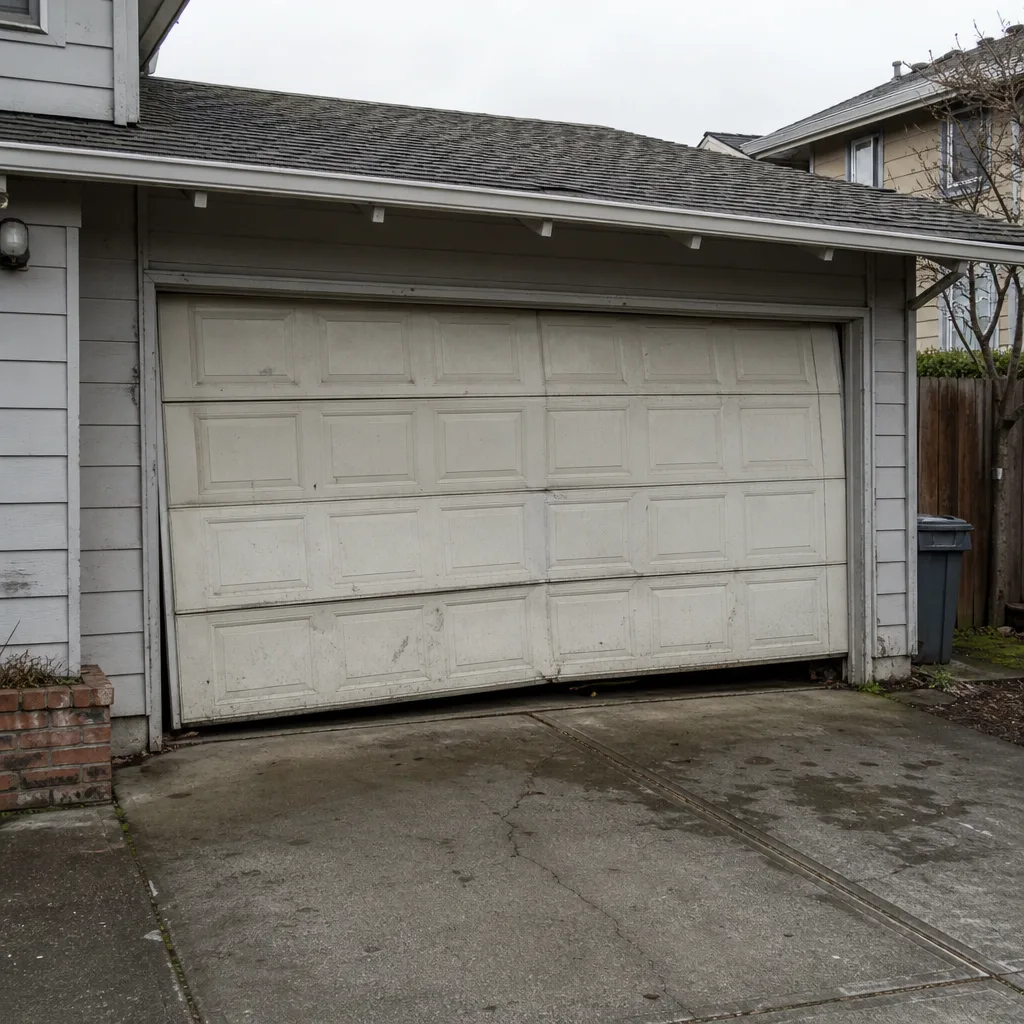 Before
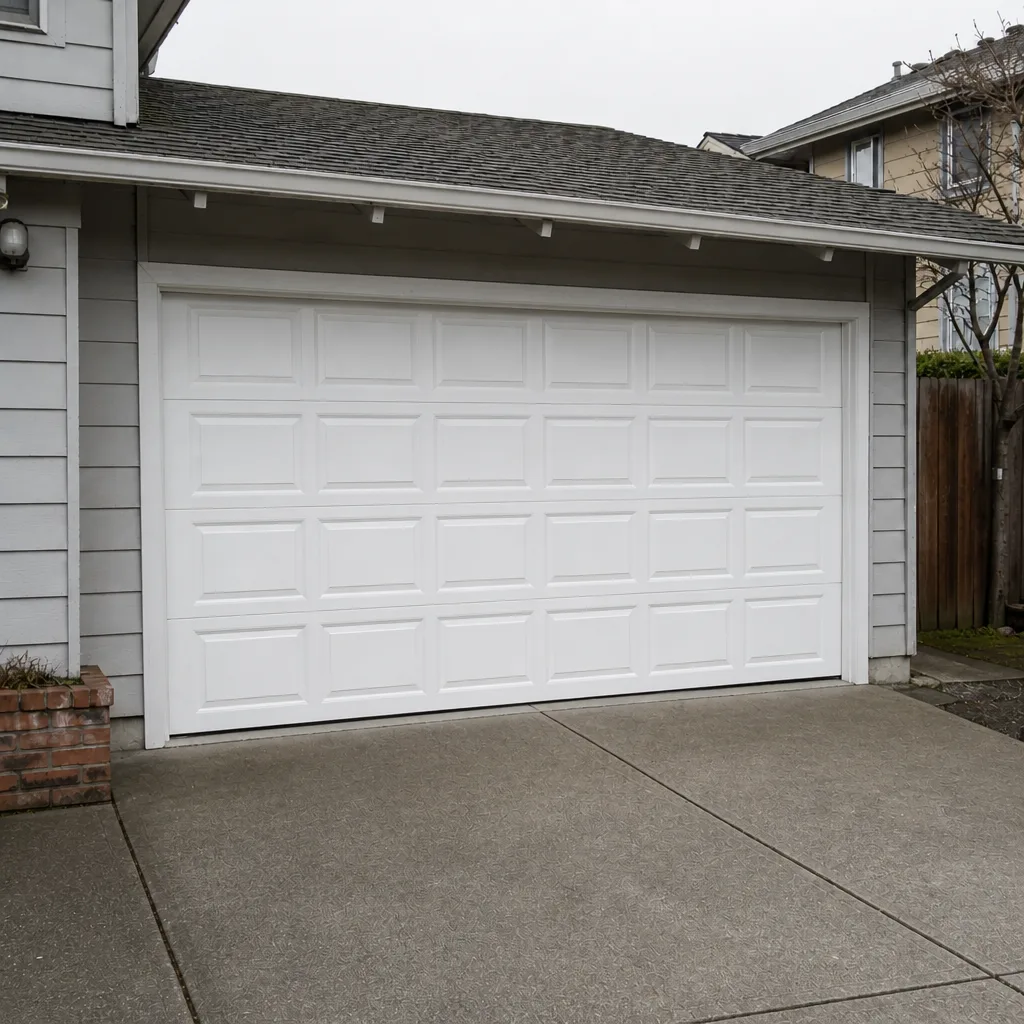 After
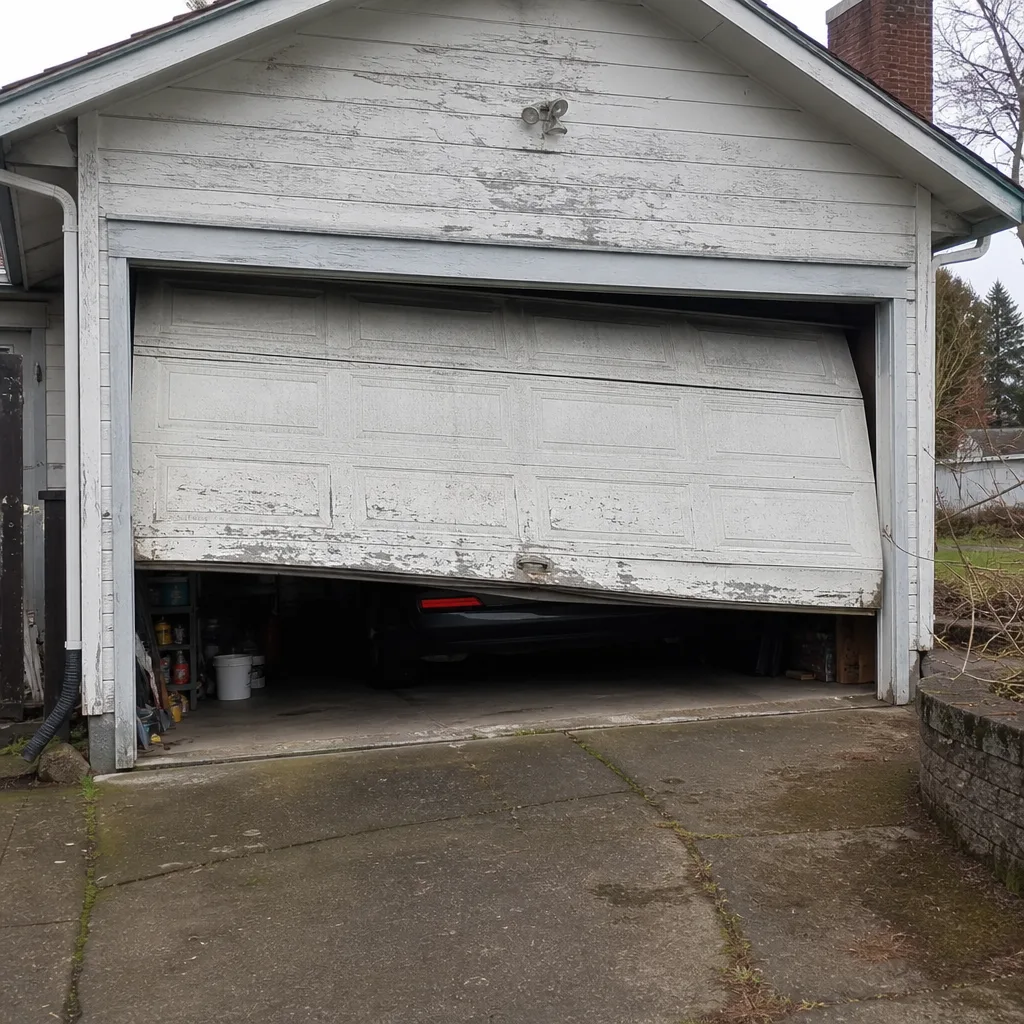 Before
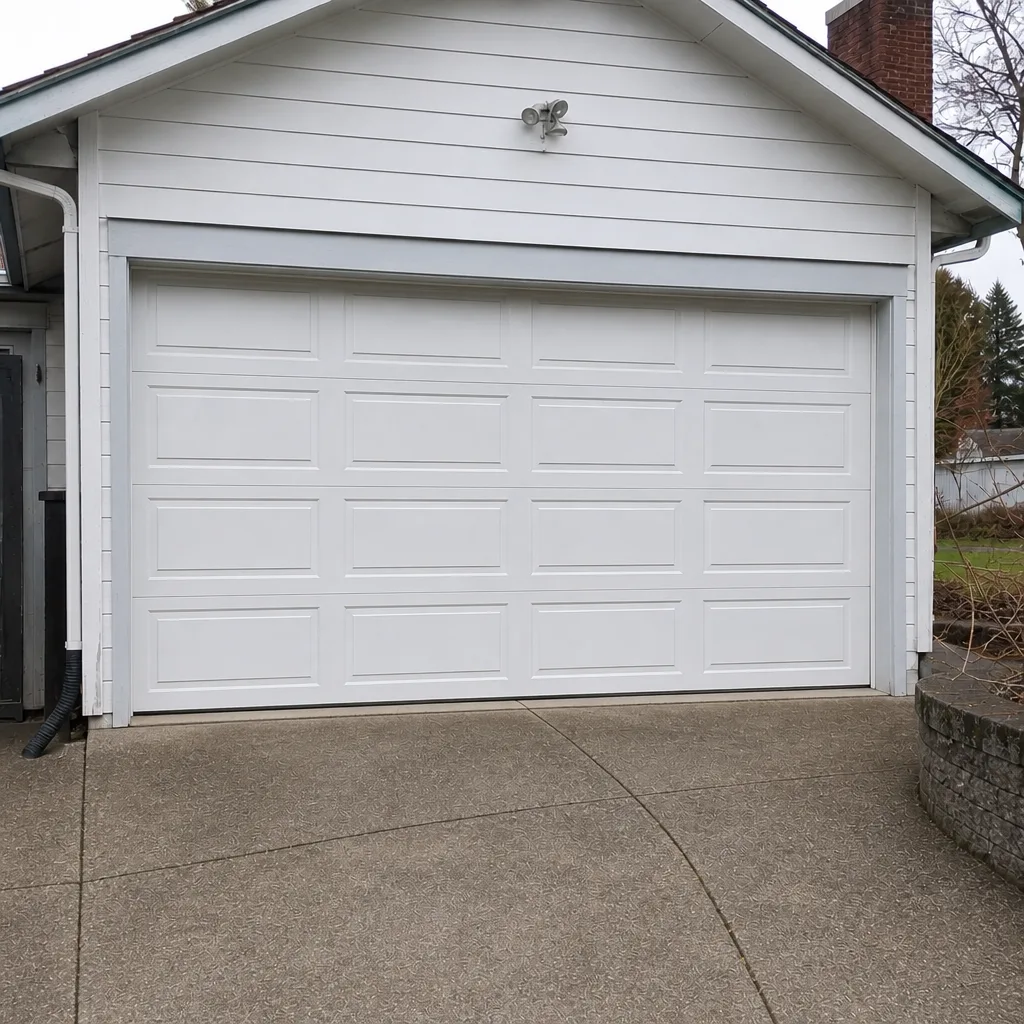 After
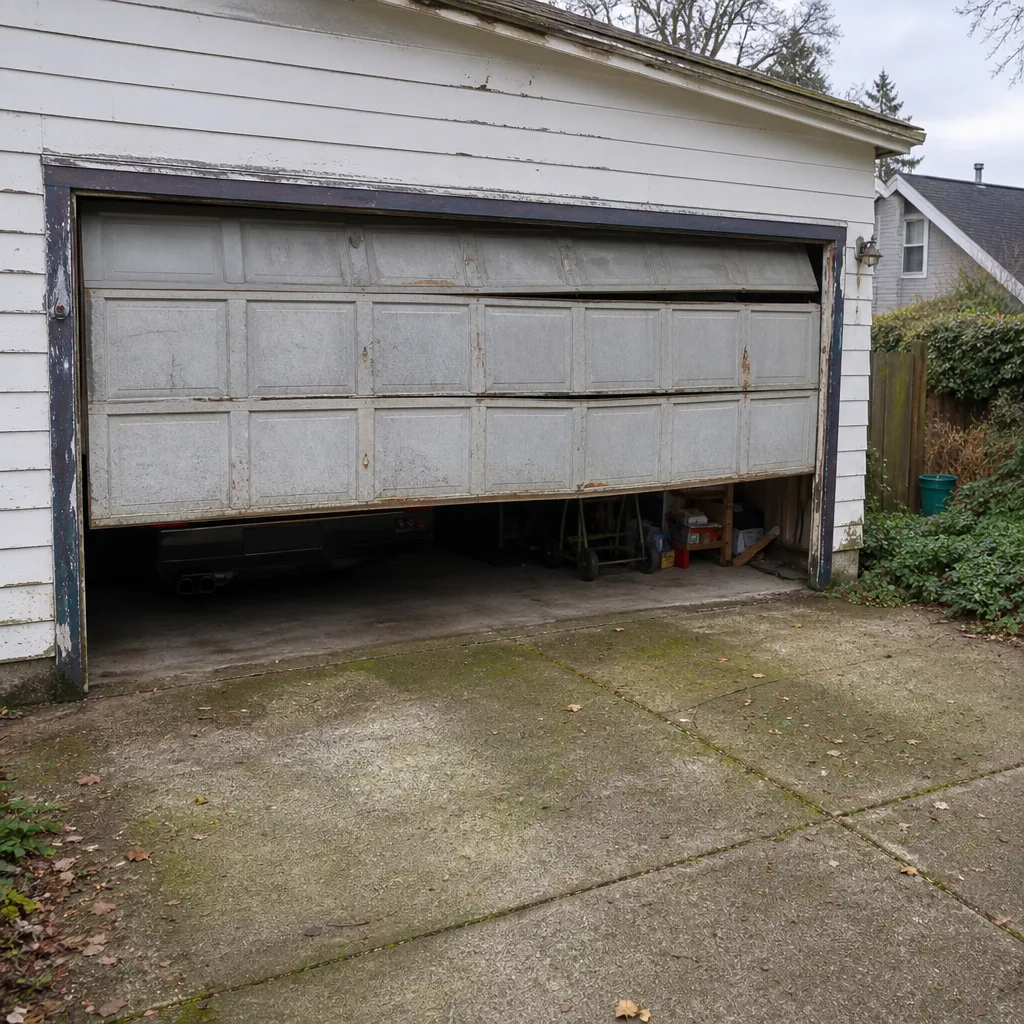 Before
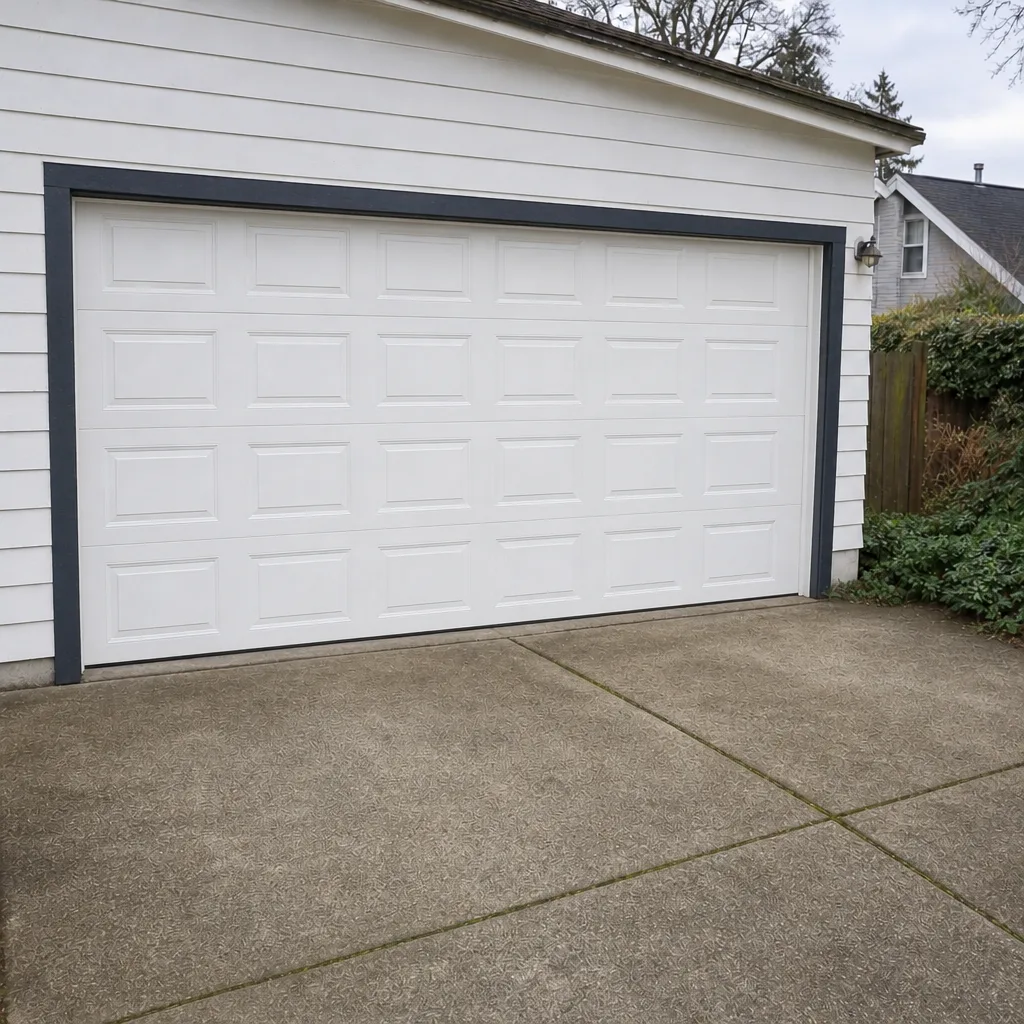 After
When to Call a Professional
Some jobs are fine to handle yourself: a squeaky roller, a dirty track, a scratched panel you want to touch up. Others call for a trained technician. If your door won’t open or close at all, if it drops fast, if the springs look corroded or have broken, or if the opener runs but the door doesn’t move, stop and call a professional. The same goes for any work on springs, cables, and the torsion system, which are dangerous to touch without training and the right tools. A stuck door is a security and safety issue, and a bad repair can make it worse.
Shoreline Garage Door Service offers free estimates in Portland. We work on eight major brands: LiftMaster, Chamberlain, Genie, Clopay, Amarr, Wayne Dalton, Craftsman, and Raynor. Call (866) 942-7741. We answer 24/7. Fast dispatch from 7am to 7pm, Sunday through Friday.
Frequently Asked Questions
It depends on the scope, and the right place to confirm is the city’s Bureau of Development Services. A straight replacement with a comparable unit is often treated differently from a job that alters the opening or framing. Ask the Bureau of Development Services before you order a custom door so you know the requirement up front.
Portland’s wet, humid winters are harder on wood, spring coatings, and bottom seals than dry climates are. Wood can stay damp for weeks and swell, thin spring coatings can corrode, and cheap seals harden and crack. The fix is choosing moisture-resistant materials and keeping up with sealing and maintenance.
Belt-drive openers tend to suit Portland well because they handle steady humidity and run quietly. Chain drive is a durable, louder choice for detached garages. Whichever you choose, make sure the safety sensors are aligned and the force settings match the door’s weight. Call (866) 942-7741 for help choosing one.
Not always without measuring. Older Craftsman and bungalow homes often have non-standard opening sizes, low headroom, or slightly out-of-square framing. A proper measure before ordering prevents the most expensive mistake: a door that doesn’t fit. We measure first, then recommend brands and sizes that work for your opening.
Repair is usually the right call when the door’s structure and panels are sound and the problem is a spring, seal, roller, or opener. Replacement makes more sense when a wood door has warped repeatedly or when insulation and sealing are the real goals. A short diagnostic tells you which way to go. Call (866) 942-7741 for a free estimate.
Call a team that works on your door’s brand rather than a generic crew. We service LiftMaster, Chamberlain, Genie, Clopay, Amarr, Wayne Dalton, Craftsman, and Raynor, from repair through installation. Call (866) 942-7741. We answer 24/7. Fast dispatch from 7am to 7pm, Sunday through Friday.
The Bottom Line
Garage doors in Portland live in a climate that national guides don’t account for. Wood, spring coatings, and bottom seals take a beating from our wet winters, and older homes bring non-standard openings that make measuring and brand compatibility matter. Repair is often the right answer when the structure is sound, and a permit check with the Bureau of Development Services keeps a replacement job clean. Pick moisture-resistant materials, match your opener to a humidity-heavy environment, and get a written estimate before any work starts. That’s the approach that holds up here.
Call (866) 942-7741 for a free estimate on repair, opener service, or a new door. We serve Portland and the surrounding area from a shop trained on eight major brands. Our Portland team covers the full range: diagnosis, opener repair, and installation, all in-house.
Written by the team at Shoreline Garage Door Service, serving Portland since 2016.