
Last updated November 14, 2026
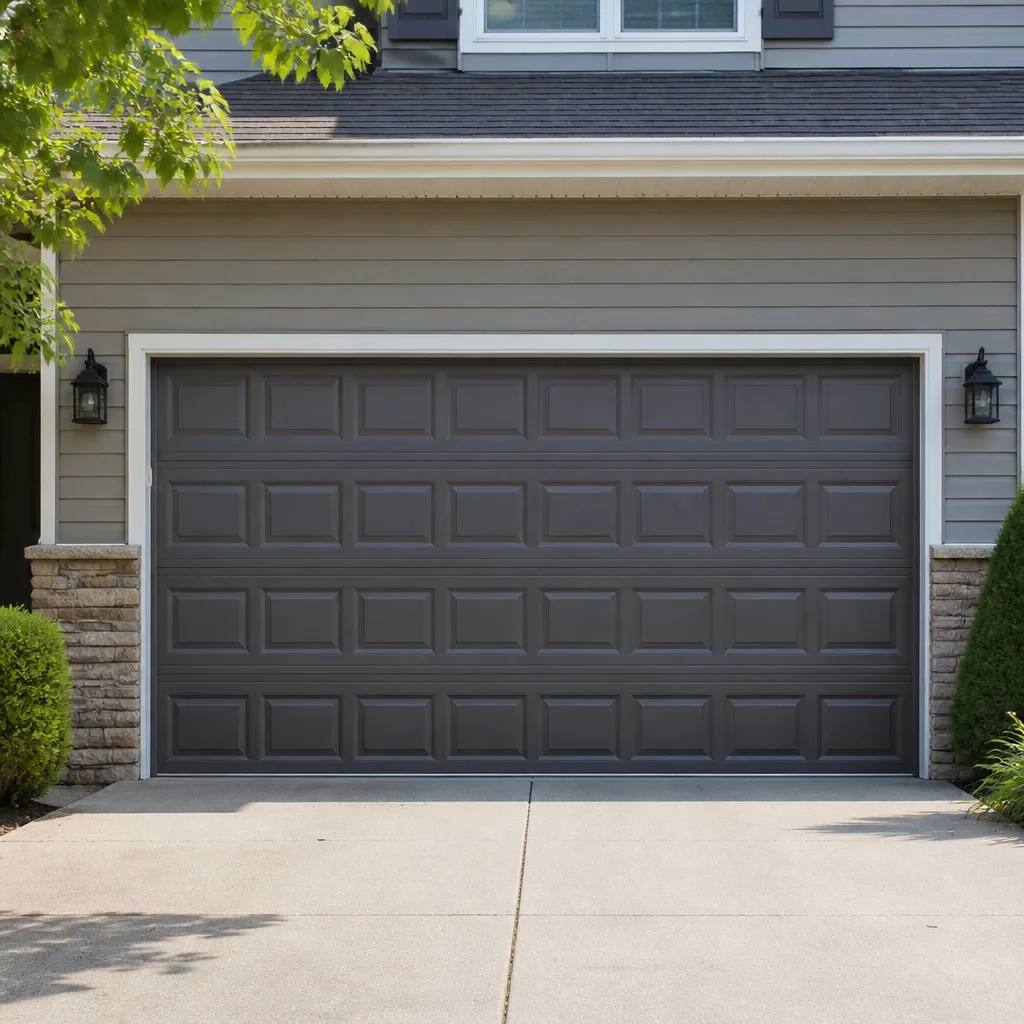 Raised-panel steel
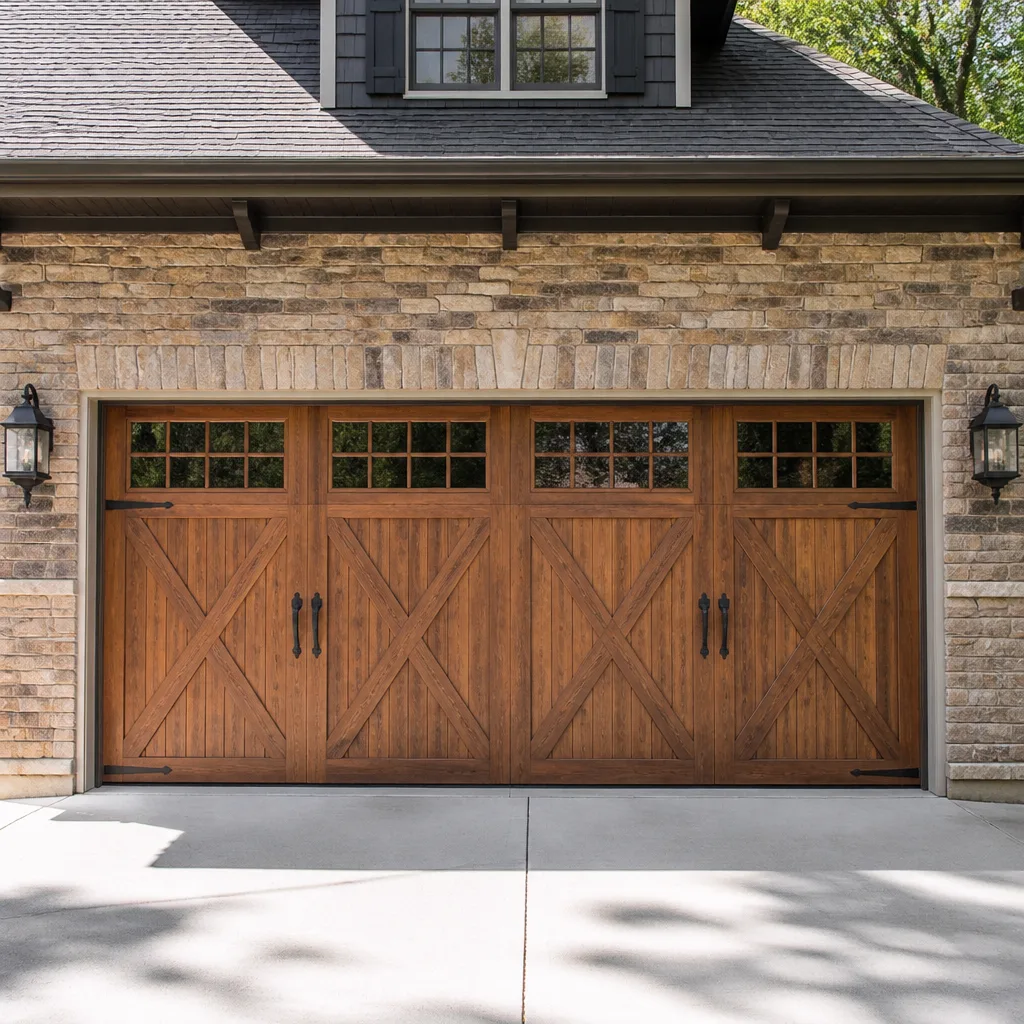 Carriage house
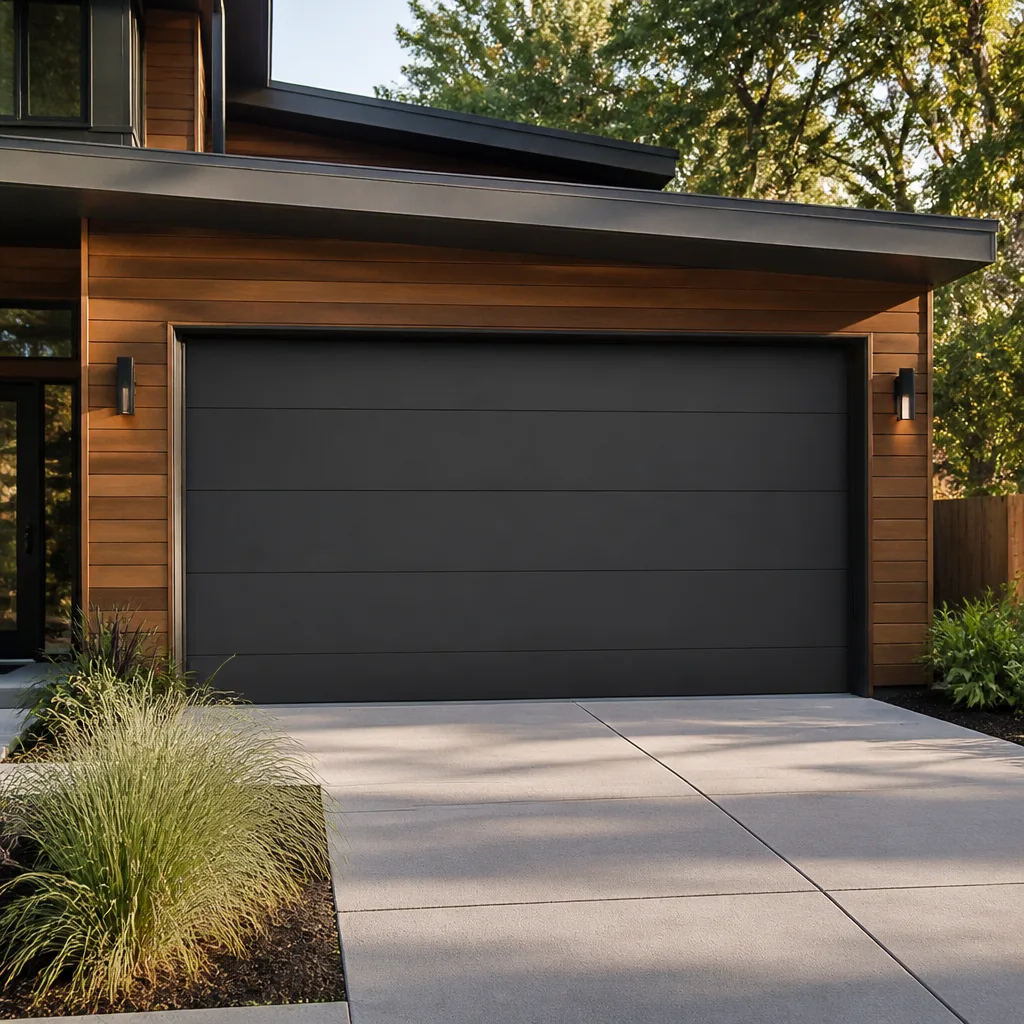 Modern flush
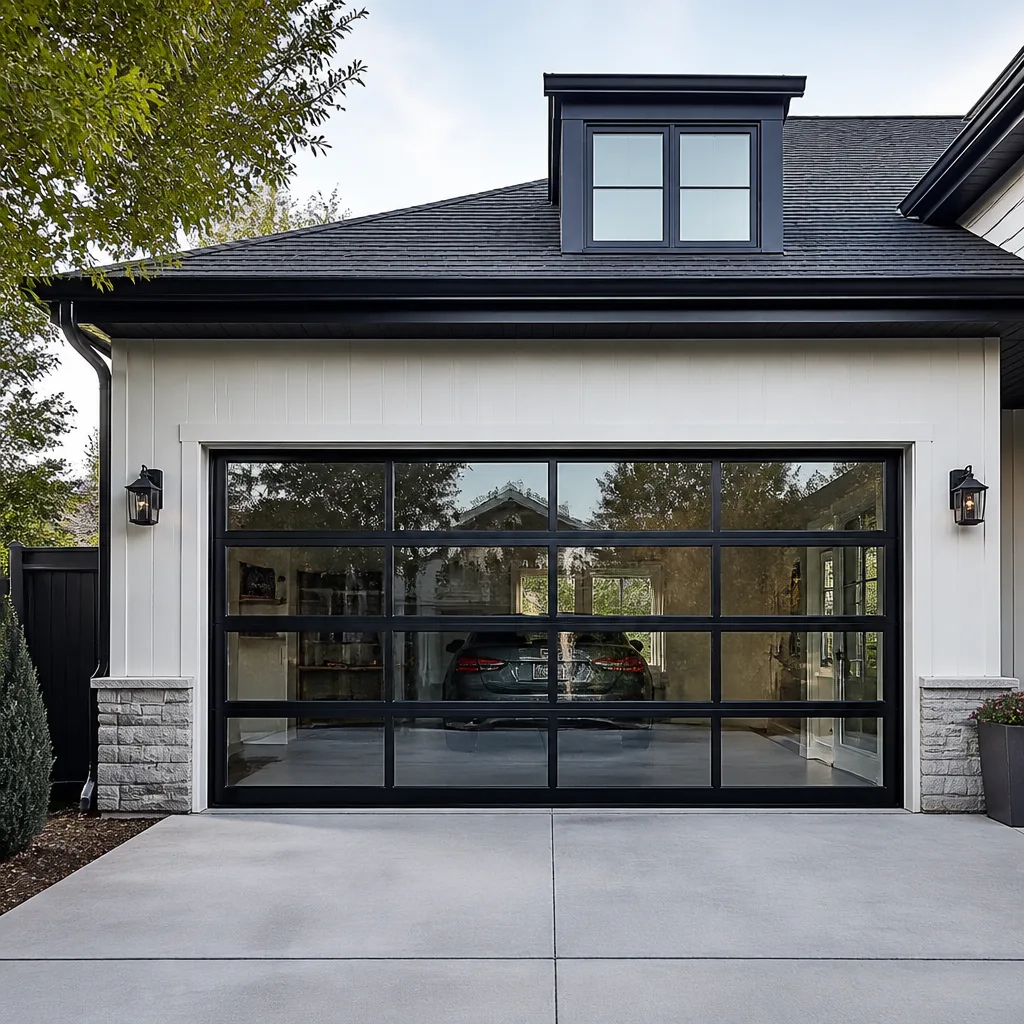 Full-view glass
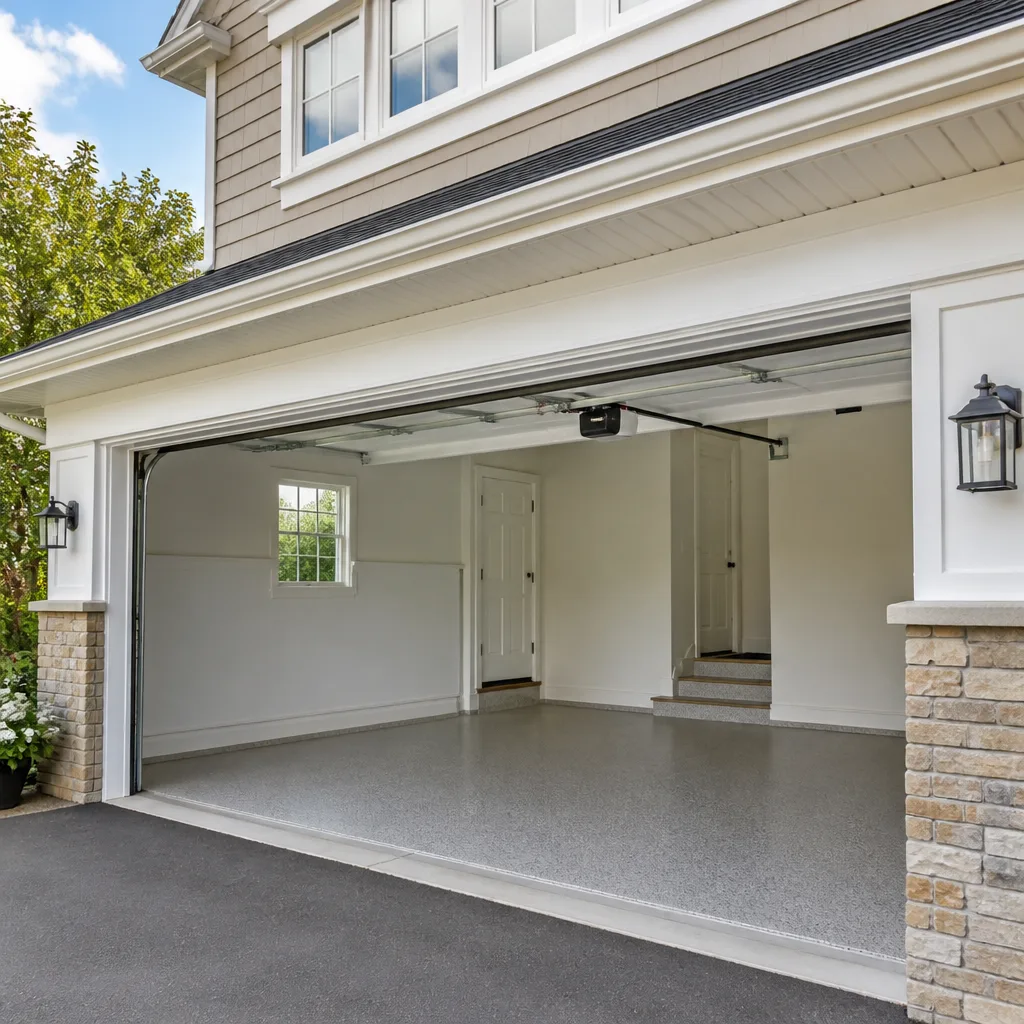 LiftMaster openers
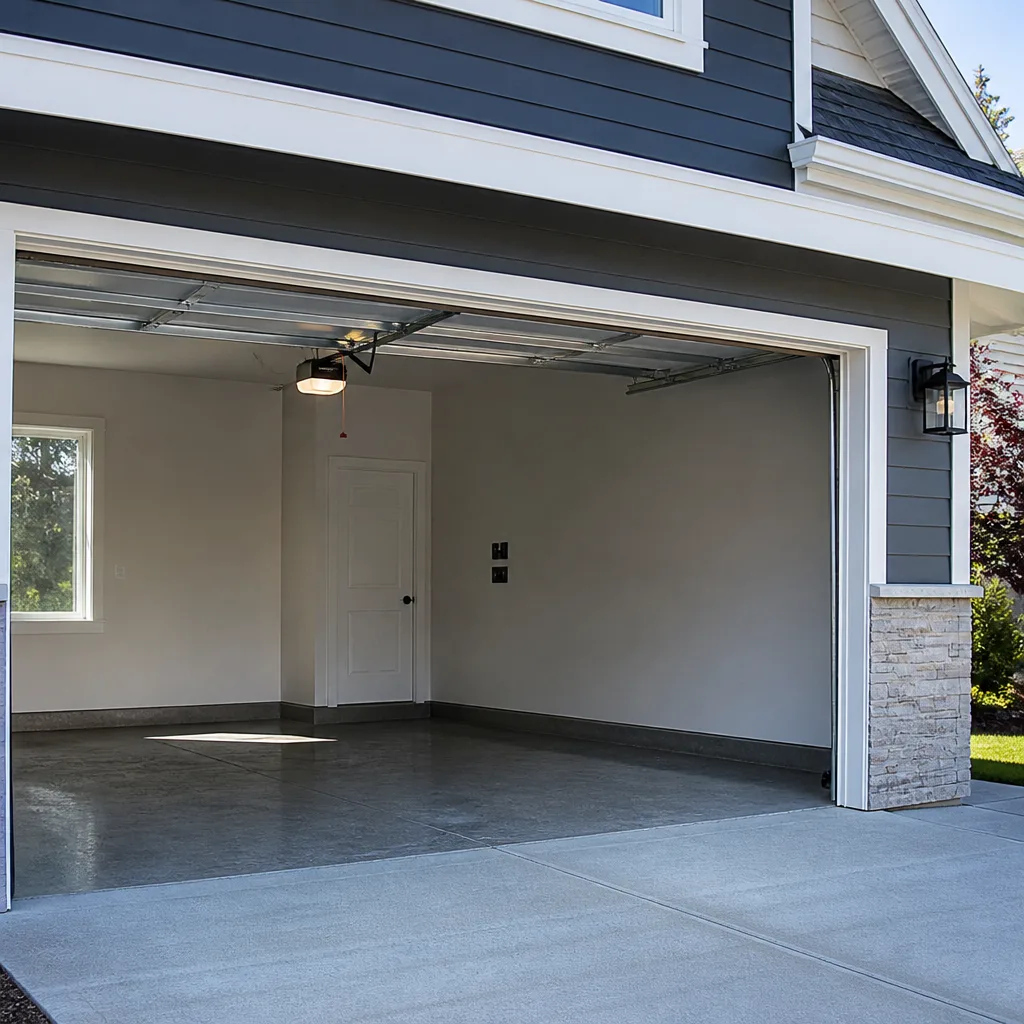 Chamberlain openers
Full 25-point door and opener safety check with every visit - springs, cables, rollers, tracks, and your LiftMaster or Chamberlain opener included
You get a price before we start. It does not change when the truck arrives.
Get your free estimateChoosing the Right Garage Door Brand: A Buyer’s Guide for Portland
Three of the most heavily advertised garage door brands in the country have Pacific Northwest warranty claim rates that run measurably higher than their national averages. The reason usually isn’t the door. It’s the finish. Standard paint systems and spring coatings are engineered and tested for a national average climate, and Portland’s rain profile, sustained humidity, and months of damp-cool weather are not that average. A brand that performs beautifully in Phoenix can look tired in Portland within a few wet seasons.
Most “best brand” comparisons you’ll find online are paid for, directly or indirectly, by the manufacturers themselves. They rank brands by national sales volume, not by how well the door holds up in your climate, whether the parts are stocked in the region, or whether the local installer standing in your driveway actually knows that model. This guide covers the criteria that matter in Portland: corrosion specs, regional parts availability, manufacturer support, opener compatibility, and how to match a brand tier to your home’s value and neighborhood. By the end you’ll have a clear framework for choosing a door and a brand that will perform here.
Quick Answer
The right garage door brand in Portland is the one that combines a corrosion-resistant finish (galvanized steel or a coated aluminum door with a real paint warranty), parts that can be sourced within the Pacific Northwest without weeks of waiting, and a manufacturer whose doors the local installer is actually factory-familiar with. In practice, LiftMaster, Clopay, Wayne Dalton, and Amarr dominate Portland door installations, while LiftMaster, Chamberlain, Genie, and Craftsman dominate the openers. The best national reputation means little if a common part has to ship in from another region.
Styles & brands we work with
- Raised-panel steel
- Carriage house
- Modern flush
- Full-view glass
- LiftMaster openers
- Chamberlain openers
Table of Contents
- Why the Portland Climate Rewrites the Brand Question
- How to Read a Brand’s Corrosion and Paint Specs
- Parts Availability in the Pacific Northwest
- The Four Door Brands Actually Installed in Portland Homes
- Why Opener Brand Compatibility Matters
- Matching Brand Tier to Home Value and Neighborhood
- What a Qualified Installer Brings to a Brand Choice
- Common Mistakes to Avoid
- When to Call a Professional
Why the Portland Climate Rewrites the Brand Question
Portland’s climate isn’t just wet. It’s damp-cold for long stretches, and it cycles between rain and drizzle for a good portion of the year. That profile stresses a garage door in ways the national averages don’t capture. Steel panels that sit wet for days grow surface rust at the seams and along the bottom edge first. Springs, hinges, and rollers lose their protective coating and start to squeak and bind. Wood-look composite and painted doors slowly fade or flake from the moisture cycling through evening and morning temperature swings.
Brand engineering matters here because different manufacturers design their standard products for different climates. A door engineered for a low-humidity environment will often use a lighter paint build, thinner galvanization, or a spring coating that isn’t rated for prolonged moisture exposure. It performs fine in the Rocky Mountain West. In Portland, that same door begins to show wear faster, and the warranty claims data reflects it.
Three seasonal realities shape the brand decision here:
- Months of wet, cool weather. Finish and coating performance matters far more than window glass or insulation value for most homeowners.
- Moderate winters, damp springs, and cool autumns. Rust and coating breakdown happen gradually, so a brand’s corrosion protection is more important than its cold-snap performance.
- Tree cover and shade. Many Portland neighborhoods have heavy canopy, which slows drying and keeps moisture on the door surface longer than in open suburbs.
None of this makes one brand universally correct. It means the criteria you weight when choosing change. Corrosion resistance, coating quality, and regional parts support outrank national brand recognition. We at Shoreline Garage Door Service see doors every week whose failure mode was climate-driven, not defect-driven. That’s the pattern to plan around.
How to Read a Brand’s Corrosion and Paint Specs
Most manufacturers publish corrosion and paint specifications, and most buyers skip them. That’s the mistake. The specs are the closest thing to a climate-specific performance promise you’ll get from any brand, so they deserve a careful read. When you compare two doors at similar prices, the corrosion spec is often the tiebreaker that predicts how the door will look three, five, and ten years after installation in Portland.
Look for a few concrete things:
- Galvanization rating. The G-rating (G40, G60, G90, and higher) describes how much zinc coating is applied to the steel. Higher is more protective. For Portland’s humidity, ask the manufacturer or dealer for the spec on any steel door you’re considering and compare it across brands.
- Paint system build. Look for a documented multi-layer process: a factory pretreatment, a base coat, and a top coat, with a stated warranty against cracking and peeling. State the warranty aloud in your comparison.
- Edge and bottom seal treatment. The bottom edge of the door section is where moisture collects. A brand that puts extra protection on cut edges and section ends is solving the exact problem this climate creates.
- Spring and hardware coatings. Springs, hinges, and rollers should have a plated or coated finish. Ask what the coating is rated for and whether the manufacturer warrants it against rust.
- Aluminum or composite options. Where a steel door’s long-term aesthetic is the priority, aluminum or composite doors can sidestep rust entirely. They come at a higher cost.
The practical approach: get each dealer to give you the written corrosion spec and paint warranty for the specific model you’re considering, then compare them head to head. A brand that won’t give you the number is telling you something. And a warranty document that excludes “finish degradation” is telling you more. When we do installation work across Portland, we recommend homeowners keep the spec sheet alongside the warranty. It’s the document you’ll reference if you ever file a claim.
Parts Availability in the Pacific Northwest
Every manufacturer has a national distribution network. Not every manufacturer stocks residential door and opener parts in the Pacific Northwest. That’s the quiet criterion most guides leave out, and it’s often the practical reason a brand ends up being the wrong choice. A brand with excellent distribution in the Southeast or Midwest may still leave Portland homeowners waiting two to three weeks for a common part when their opener’s logic board fails or a torsion spring needs replacing.
Here’s how to evaluate a brand’s regional parts support:
- Ask the dealer where parts ship from. “We can order it” is not an answer. “It comes out of a regional distribution center and reaches us in a few days” is.
- Ask which common parts are typically stocked locally. Torsion springs, rollers, hinges, weather seals, and logic boards are the parts that fail most often. If those are special-order items from another region, your repair timeline will reflect it.
- Match the door brand and opener brand sensibly. A door from one regional distributor and an opener from a different national distributor can create two separate supply chains inside your garage.
- Confirm the repair shop is brand-familiar, not just brand-authorized. A technician who has worked on a brand for years knows the common failure points and the parts numbers. A technician reading a manual for the first time is guessing.
We work on eight widely installed brands (LiftMaster, Chamberlain, Genie, Clopay, Amarr, Wayne Dalton, Craftsman, and Raynor) because those are the systems Portlanders actually have. We’ve seen how quickly a common part can be sourced for each. This is the practical test: ask your installer what happens if your opener fails in six months and the answer should not be “we’ll order it and see.” In our experience, parts availability determines more repair timing than any brand’s marketing. That’s the argument for repair-first thinking too: a garage door repair on a common part is usually resolved quickly when the parts are regional. When they aren’t, a small fix becomes a two-week wait.
The Four Door Brands Actually Installed in Portland Homes
Most Portland residential garage doors, at least the newer ones, come from one of a short list of manufacturers. National advertising frequency and local installation frequency are two different lists, and your neighborhood is a better guide than a national ranking. Here’s how the four most common door brands look against local service support. None of these are universal favorites. Each has strengths.
- Clopay. The largest residential door manufacturer in the country, and one of the widest installed bases in Portland. A broad range of steel, wood-look composite, and insulated door styles, which is why you see Clopay on everything from builder homes to renovated 1920s bungalows. Paint systems are among the more thoroughly documented in the industry. Local parts are generally easy to source. Where Clopay is the weaker fit is at the very high end of custom door design, where a few niche manufacturers are worth considering.
- Wayne Dalton. Strong presence across mid-range Portland homes. The standard steel and insulated models are well regarded for finish durability in damp climates and for parts that hold their fit. Many older homes in the neighborhoods around Laurelhurst and Mount Tabor have Wayne Dalton doors from the 1990s and 2000s that are still in service. Repair parts, from opener-compatible models to hinges and rollers, are generally regionally available.
- Amarr. Known for a broad range of models across price tiers, and for coming in at the entry-to-mid part of the market with decent finish specs. You’ll see Amarr doors across the Portland metro in tract-built and smaller infill homes. The wider product range means the model matters more than the brand. Ask for the specific model’s corrosion spec, not just the brand’s general reputation.
- LiftMaster. Primarily an opener brand, but it’s also one of the most important names to know because LiftMaster is the opener line most of the newer Portland doors are paired with. In door terms, LiftMaster doesn’t sell doors, but in the opener-and-smart-home terms, it’s the name that dominates.
The honest comparison: Clopay and Wayne Dalton are the more common door names in Portland homes, and both are widely supported locally. Amarr occupies more of the entry-to-mid tier and varies more by model. If you’re looking at an installed door today, the question isn’t only which brand, it’s which model, and which brand the repair shop has stock and working familiarity with. Our own garage door opener repair work confirms this. On the opener side, LiftMaster, Chamberlain, Genie, and Craftsman cover the overwhelming majority of what we’re called to. When the door and opener are a sensible brand pairing, diagnosis is faster and the door works more quietly, because calibration fits.
Why Opener Brand Compatibility Matters
The door and the opener are two systems. Most homeowners pick the door brand first and the opener brand second, and in nearly every case that works, but compatibility isn’t only about fit. It’s about smart-home integration, long-term service, and how smoothly the door opens after five or six years of operation. Portland has seen a steady shift toward connected openers, and a door brand that pairs cleanly with the more common smart opener platforms benefits from that shift.
The opener platforms to know are LiftMaster, Chamberlain, and Genie, because those three cover most of the newer smart-home openers in the region. LiftMaster and Chamberlain share the myQ ecosystem, which is the platform many homeowners use for app control, while Genie has its own connected platform. Craftsman, the legacy brand, is still common on older homes and serviced widely. If you’re choosing a door and an opener at the same time, ask four questions:
- Is this opener compatible with the smart-home system I’m using? Check the app or hub the homeowner uses against the opener’s supported platforms.
- Does the door brand pair cleanly with this opener brand? Most do, but only if the installer specifies it at the start, not after the door is ordered.
- If the opener fails in three years, is this model still supported? Legacy Craftsman openers and older LiftMaster models can be serviced, but parts availability is a factor for very old units.
- Can the opener open the new door smoothly without excessive adjustment? This is a compatibility question as much as a calibration one. If the door’s weight and balance require more lift force, the correct opener spec matters.
The specific compatibility complaint we hear most in Portland is smart-home integration. A homeowner installs a new opener on an older door, pairs it to the app, and the app control works but the door’s response is slow or inconsistent. The fix is often a balanced door and a properly calibrated opener, not a new brand. The next most common is a door brand that suits the house paired with a legacy Craftsman opener and no clear path to a replacement remote. If you’re midway through that upgrade, our garage door opener repair team can diagnose it. Repair-first thinking applies here too: a door and opener brand combo worth having is one that a trained technician can diagnose and service as a system. We handle both sides in one visit, so the brands that make that easier are worth favoring.
Matching Brand Tier to Home Value and Neighborhood
Brand tier should follow home value and neighborhood more than national brand reputation. There’s a real argument for a carriage-house style door on a 1920s Laurelhurst bungalow, where the architectural character makes the upgrade pay off in resale appeal. The same upgrade on a smaller ranch house in Lents may not pencil out, because the neighborhood’s price band and housing stock support a different tier. That’s not about the neighborhood’s worth. It’s about how a door brand and model read against the house they’re on.
A rough framing for Portland:
- Entry-tier steel doors. A sensible fit for smaller starter homes, rental properties, and any house where the garage is secondary to the living space. Choose a model with good documented corrosion specs, because this is where finish quality separates otherwise similar doors.
- Mid-tier insulated steel and composite doors. The most common tier across much of residential Portland, including the smaller lots and tighter streets in North and Southeast Portland. A brand like Clopay or Wayne Dalton in this tier, paired with a well-chosen opener, gives strong performance for the price.
- Premium carriage-house and custom doors. Usually a blend of craftsmanship, architectural fit, and resale expectation. Laurelhurst, Irvington, Eastmoreland, and similar character-rich neighborhoods can support this tier. Brands that specialize at this level (and the installers who know them) matter more than the entry-tier brand conversation.
Three things to weigh beyond the door’s appearance:
- What your neighbors have. A door that’s visually in line with the surrounding homes resells best. A wildly different tier tends to stand out for the wrong reasons.
- What your house’s architecture calls for. A modern panel door on a bungalow may look out of place. A carriage-style door on a mid-century ranch may feel forced.
- How long you plan to stay. Long-term owners can justify a higher brand tier. sellers preparing to list usually see better returns from repair and a good paint or finish refresh.
None of this is about being told what you should buy. It’s a way to read a marketer’s pitch against your street. When a Portland homeowner asks us how a brand tier lines up with their house, we typically point to longer-term resale and how the door will weather in five years. Cityhouses and neighborhoods are part of the local context that makes brand choice feel grounded rather than abstract.
What a Qualified Installer Brings to a Brand Choice
The best brand in the world still needs the right installer. Installation quality matters more than most brand choices. A well-specified door installed with poorly set springs, uneven tracks, or a badly calibrated opener will fail sooner than a mid-tier door installed carefully. When you compare two installation quotes, the question isn’t only “which brand,” it’s “which installer actually knows this brand and installs it properly.”
What to look for in the installer:
- Factory-familiar across several brands. A shop trained on a range of brands (not just one manufacturer’s line) generally gives you a more honest comparison. A single-brand shop will recommend the brand it sells, even if you asked for a comparison.
- Handles repair, openers, and installation in one place. A shop that handles the door, the opener, and the repair work means one point of contact when something goes wrong. You don’t get handed off to a different subcontractor for each phase.
- Can tell you the specific model’s corrosion spec. “It’s a good brand” is not an answer. The installer should know the G-rating, the paint system, and the spring coating.
- Will put the brand recommendation in writing. Ask for the brand, model, corrosion spec, and warranty in the written estimate before you sign.
We’re trained on the eight brands most often found in Portland homes, and our garage door repair work is diagnostic-led: we figure out what’s actually wrong with the door or opener before talking about replacement options. That approach informs brand recommendations too. We’ll tell a homeowner when a repair makes more sense than a new door, even when someone else is pitching an upgrade. The written estimate sets the price, and it happens before any work begins. That’s the model that protects you from the invoice-is-bigger-than-the-quote problem.
Common Mistakes to Avoid
- Choosing a brand by national advertising frequency alone. A widely advertised brand can still be a poor fit for Portland’s climate if its finish or parts supply is tuned for a drier region. Check the corrosion spec and local parts support, not the ad spend.
- Skipping the model number in favor of the brand name. Most brands sell several tiers of door under the same name. Two doors from the same brand can have wildly different corrosion specs and warranties. Ask for the exact model and its spec sheet.
- Treating the opener as an afterthought. The door and opener are one system. Picking one first and the other later creates compatibility, calibration, and smart-home problems that show up the following year.
- Choosing an installer who sells only one brand. A single-brand shop will compare that brand to itself. A shop familiar with several brands can give you a real comparison.
- Ignoring the bottom-edge and spring coating details. These are the parts of the door that fail first here because moisture collects there. Their finish spec matters as much as the price on the quote.
- Buying a carriage-house door for resale on a home whose neighborhood doesn’t support that tier. In some Portland neighborhood price bands the upgrade pays back; in others the investment mostly gives the current owner a nice view of a premium door they’ll leave behind.
- Assuming a brand-new door will add value without the finish maintenance. Even a good Portland door benefits from an annual finish inspection and hardware tune-up. Skip it and the same corrosion problems return. We see doors from every one of those brands every week, and the ones that last are the ones that get looked after.
When to Call a Professional
A stuck door isn’t only an inconvenience. It’s a security and safety issue: a garage door that won’t close leaves the house open, and a door with a broken torsion spring or a frayed cable can become genuinely dangerous to anyone who tries to force it. Springs and cables store enough force to cause serious injury, and a door that’s jammed is not a project to take on without training. If your door is uneven, opening and closing slowly, or won’t close fully, that’s the point to call. Opener problems – a door that closes partway and reverses, an opener that cycles but doesn’t move the door, a remote that suddenly quits – have specific, diagnosable causes, and can often be repaired without replacing the door. A professional can also tell you whether your repair or upgrade is right for Portland’s climate and your home’s specific brand. Shoreline Garage Door Service offers free estimates in Portland – call (866) 942-7741. We answer 24/7. Fast dispatch from 7am to 7pm, Sunday through Friday.
See the difference
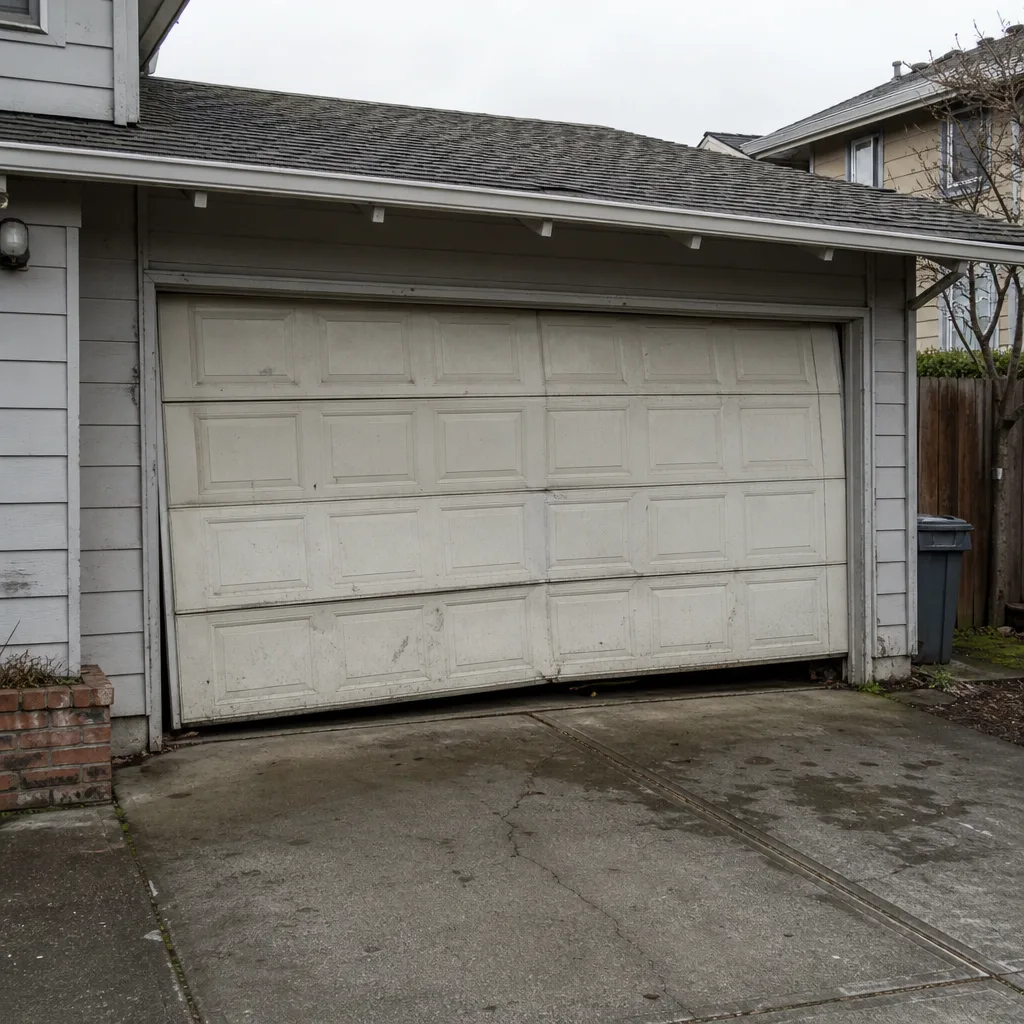 Before
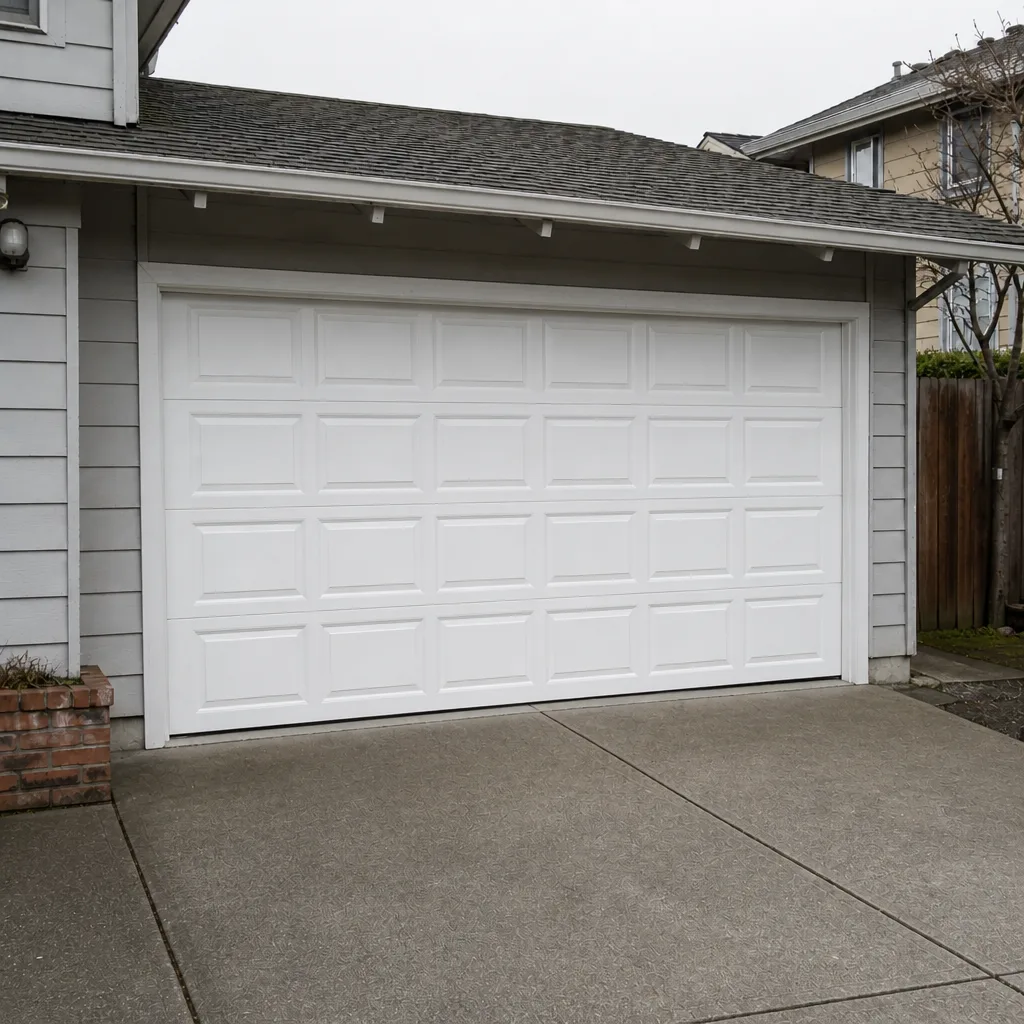 After
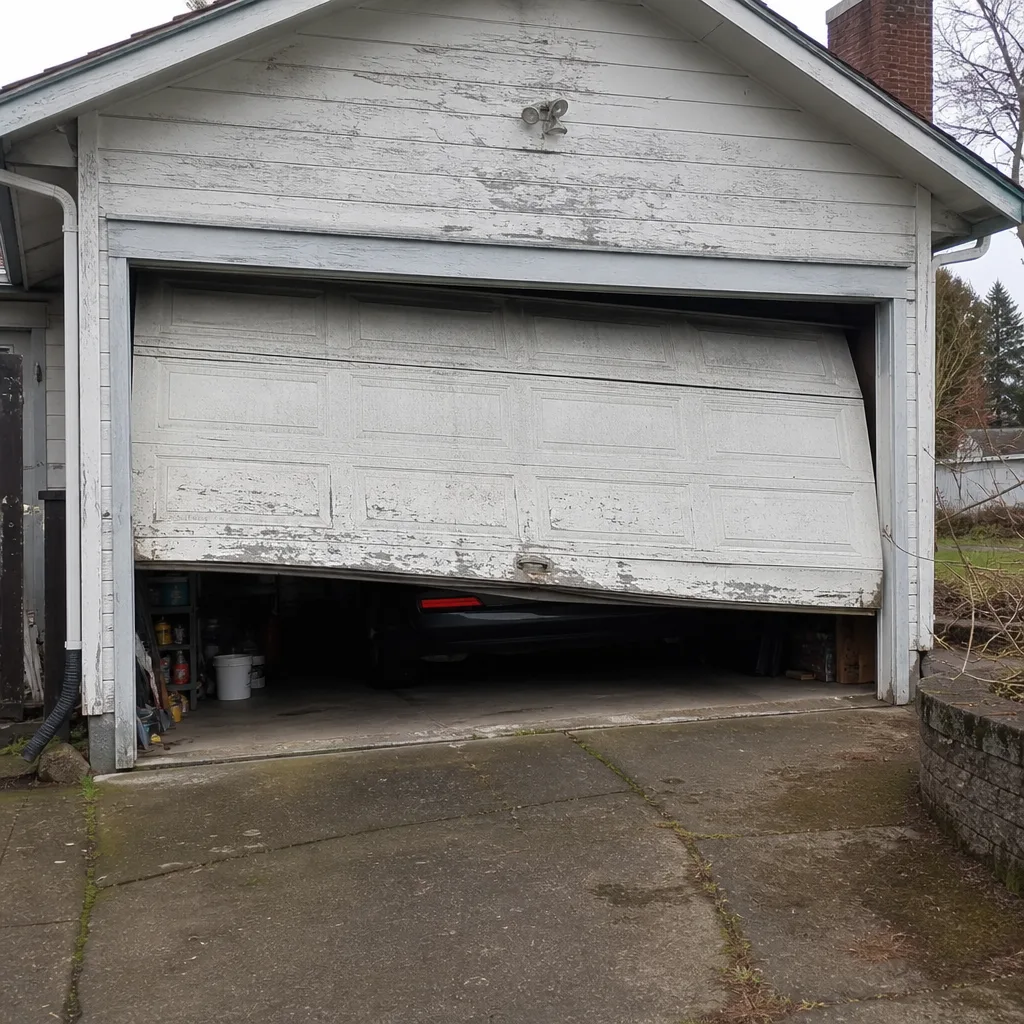 Before
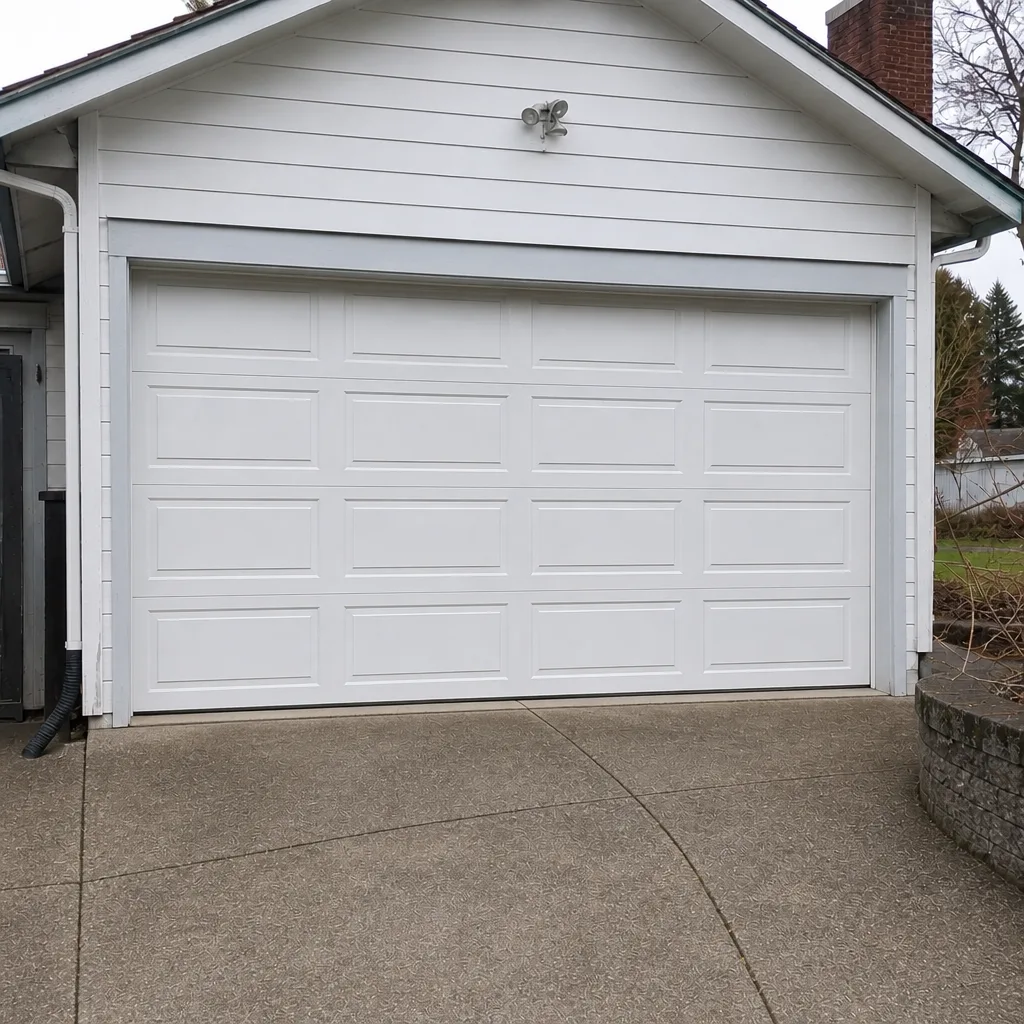 After
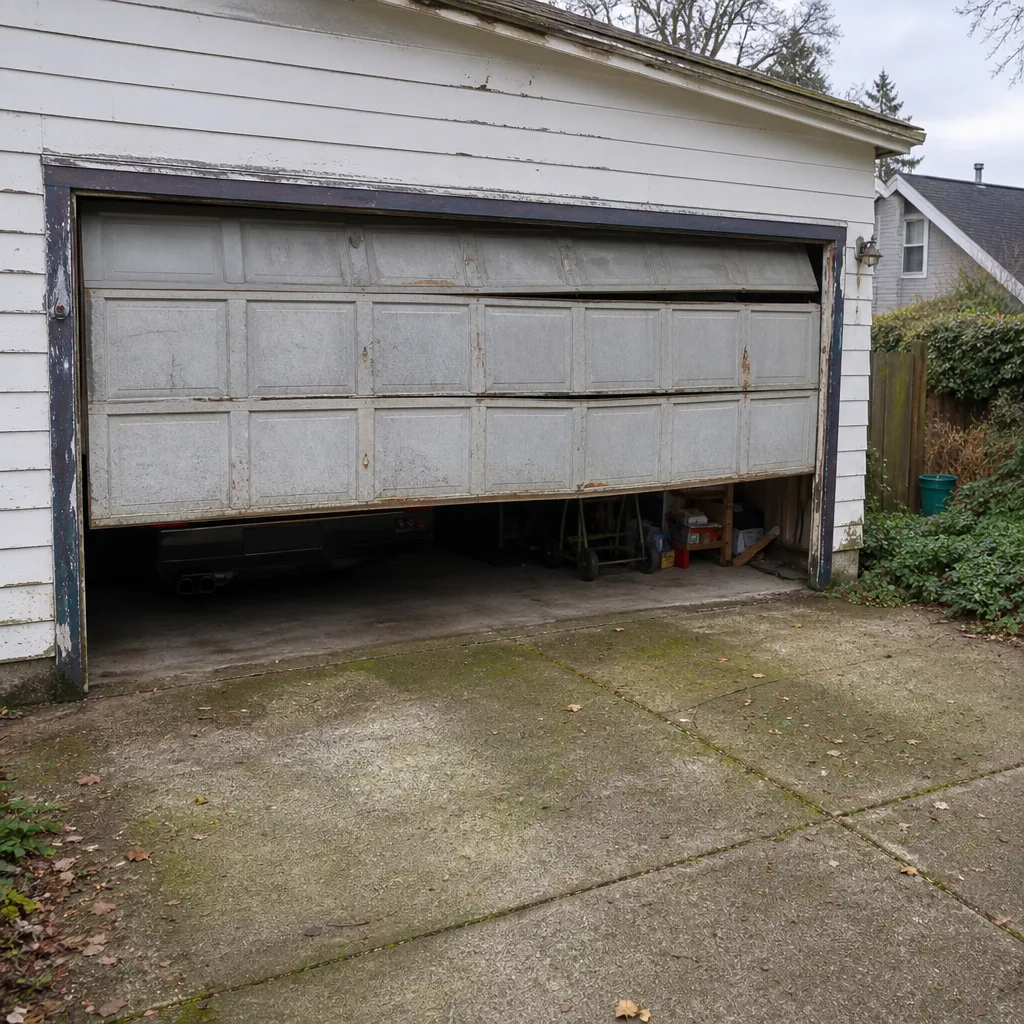 Before
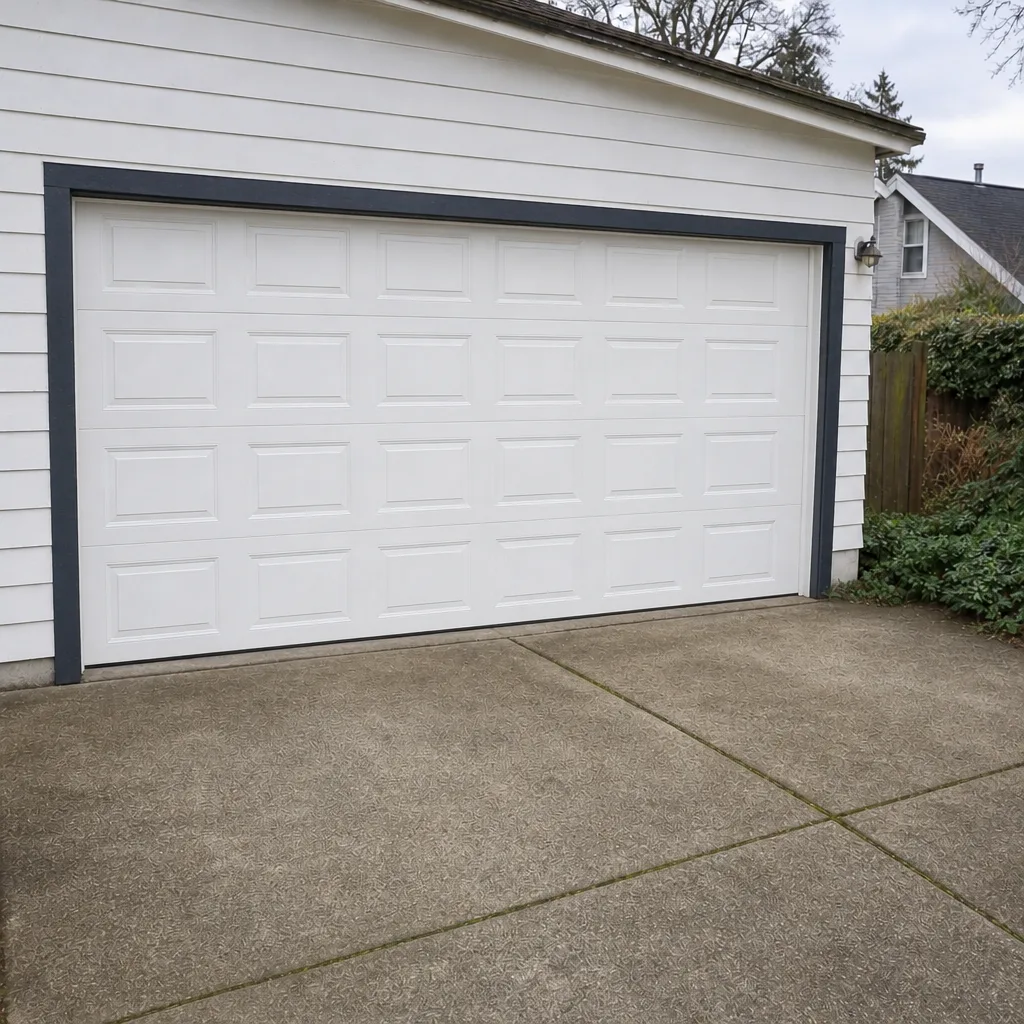 After
Frequently Asked Questions
The best brand depends on the door tier and the model, not on national advertising. In practice, Clopay and Wayne Dalton are the most widely supported door brands in Portland homes, and LiftMaster, Chamberlain, Genie, and Craftsman dominate the openers. Choose a brand with a documented corrosion spec and regional parts availability, and pick a local installer familiar with that brand. Call (866) 942-7741 for a free estimate on any of those systems.
Yes. A brand whose parts are sourced from a regional distribution center can generally be repaired without a long wait. A brand whose common parts have to ship in from another region can add two to three weeks to an otherwise simple repair. The practical test: ask your installer where the replacement part ships from and whether it’s typically stocked locally. Call us at (866) 942-7741 if you’d like us to look up a specific brand and part need.
We service LiftMaster, Chamberlain, Genie, and Craftsman, the four opener brands most commonly installed in Portland homes. We handle both legacy openers and newer smart-home-compatible units. If you’re upgrading to a myQ-compatible system, we can diagnose the opener and confirm compatibility with your door before you buy. Call (866) 942-7741 for a free estimate.
Ask the dealer or the installer for the specific model’s galvanization rating (G40, G60, G90, or higher) and the documented paint system, including the warranty against cracking, peeling, and fading. Higher galvanization is more protective in Portland’s humidity. Ask specifically what the spring and hardware coatings are rated for, since those parts fail here first. Call (866) 942-7741 for help reading a spec sheet before you buy.
In some neighborhoods it will; in others it may not. Character-rich areas like Laurelhurst, Irvington, and Eastmoreland can support a premium tier, where the architectural fit and resale expectation justify the upgrade. In lower price-band neighborhoods, the same door may not return its cost at resale. Choose a tier that matches your house’s value and housing stock rather than the marketing. Call (866) 942-7741 for a free estimate and a brand comparison based on your street.
We answer 24/7. A call outside dispatch hours is booked into the next opening, Sunday through Friday, 7am to 7pm. Call (866) 942-7741 for a free estimate.
The Bottom Line
Choosing a garage door brand in Portland comes down to three things that national brand comparisons skip: corrosion resistance for this climate, parts availability in the Pacific Northwest, and installer familiarity with the specific model. LiftMaster, Clopay, Wayne Dalton, and Amarr dominate local installations, paired with LiftMaster, Chamberlain, Genie, and Craftsman openers. Match the tier to your home’s value and neighborhood. Ask for the model-level spec sheet. And pick an installer trained on several brands, not one. A written estimate, free and set before work begins, is the surest sign you’re being treated honestly. Call (866) 942-7741 and we’ll compare brands and models for your house with no sales pressure.
Written by the team at Shoreline Garage Door Service, serving Portland since 2016.