
Last updated November 14, 2026
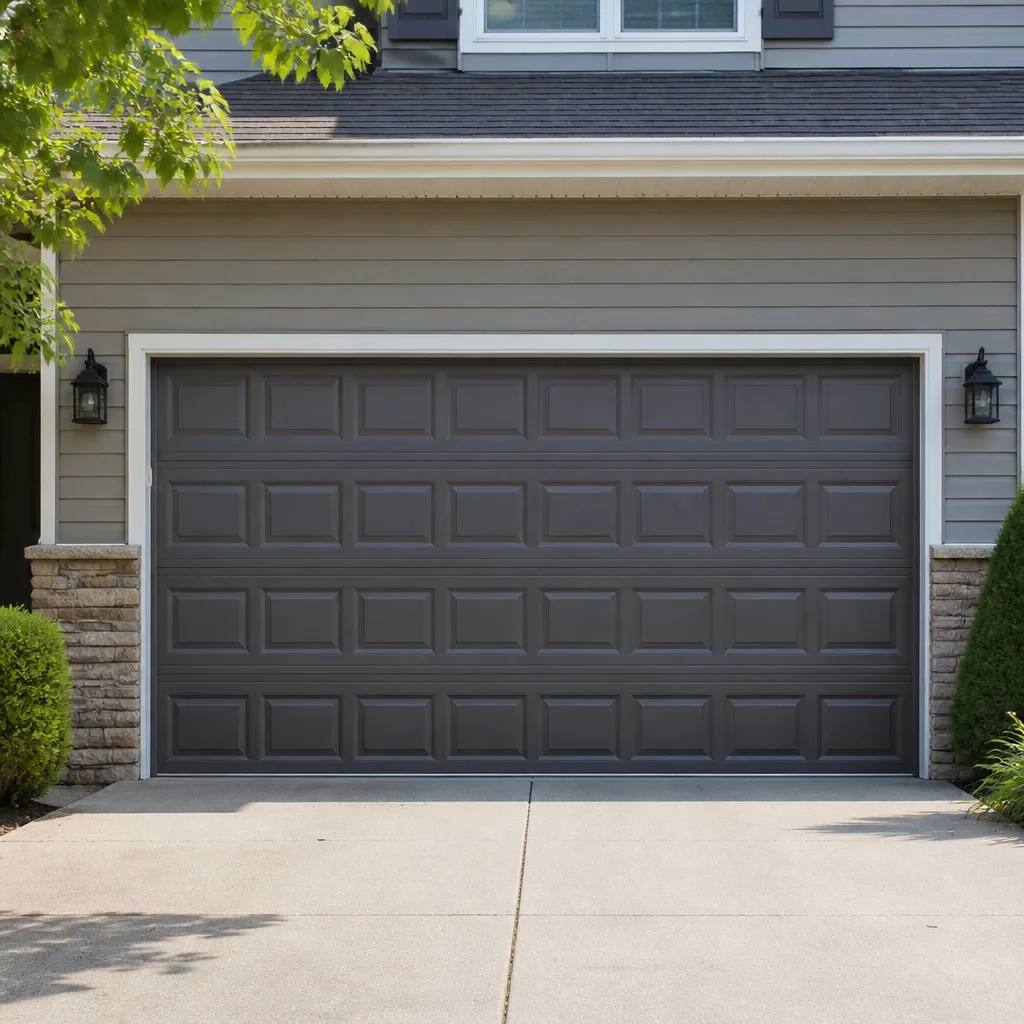 Raised-panel steel
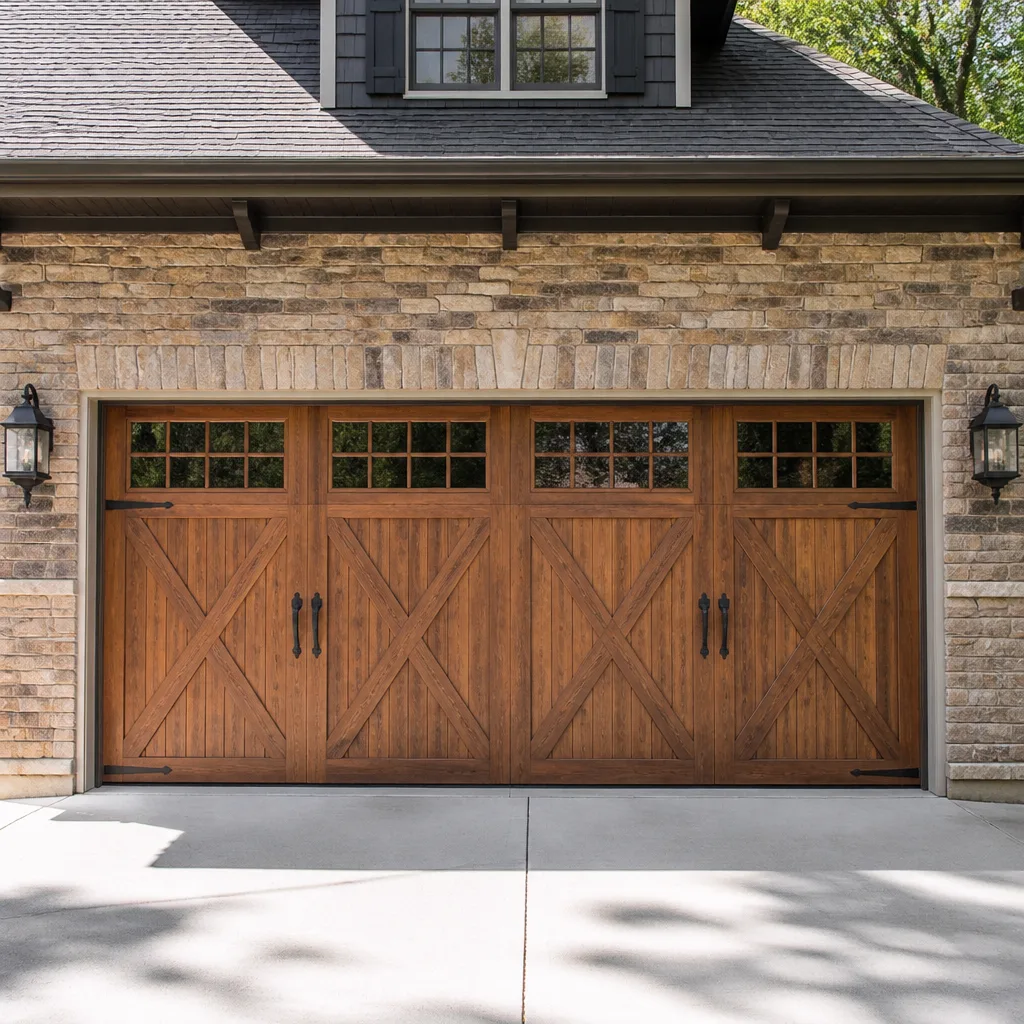 Carriage house
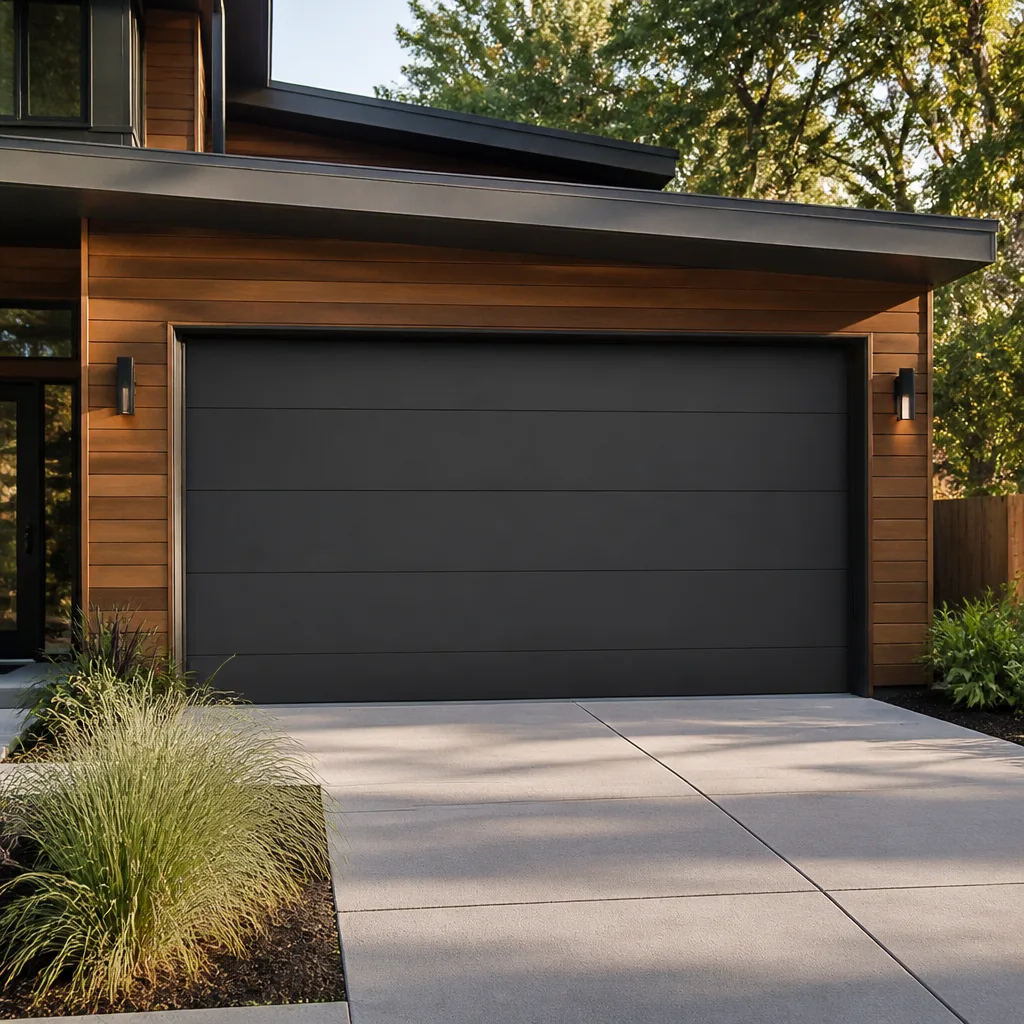 Modern flush
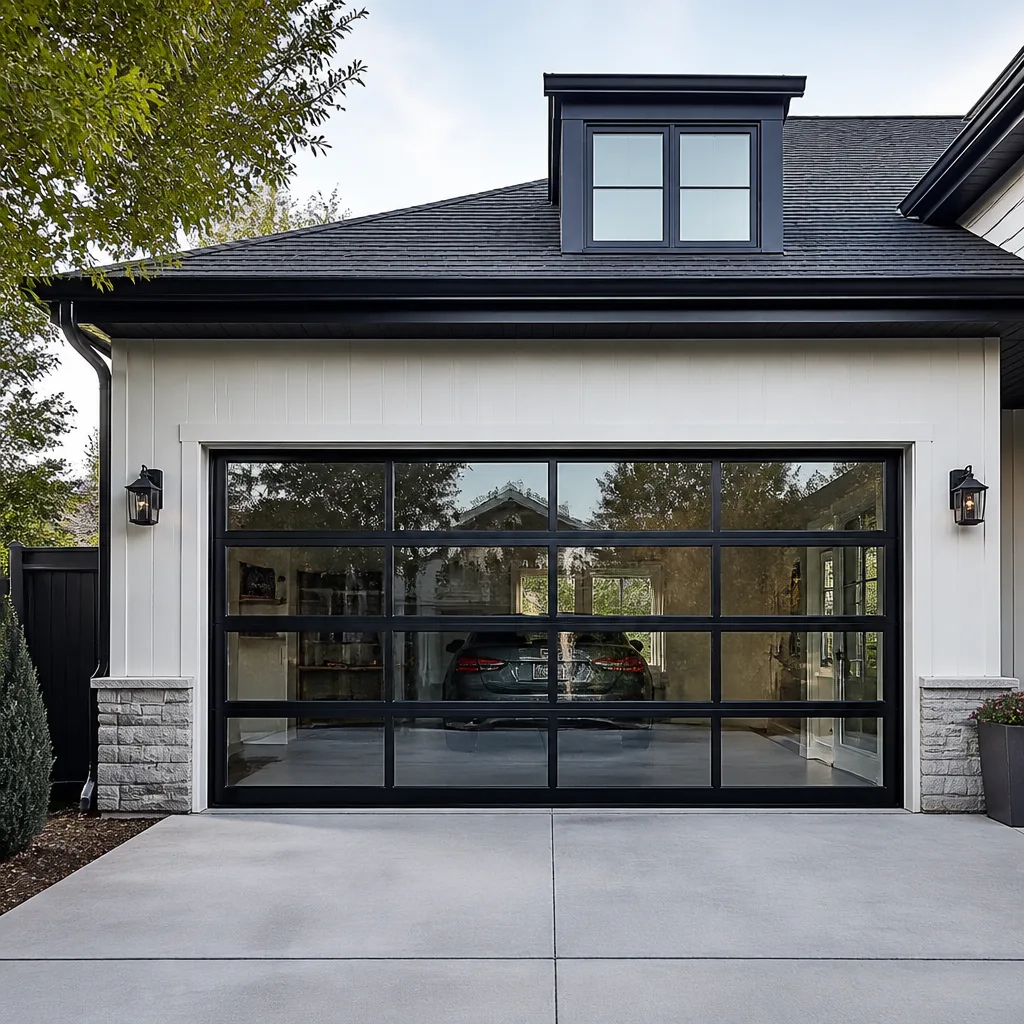 Full-view glass
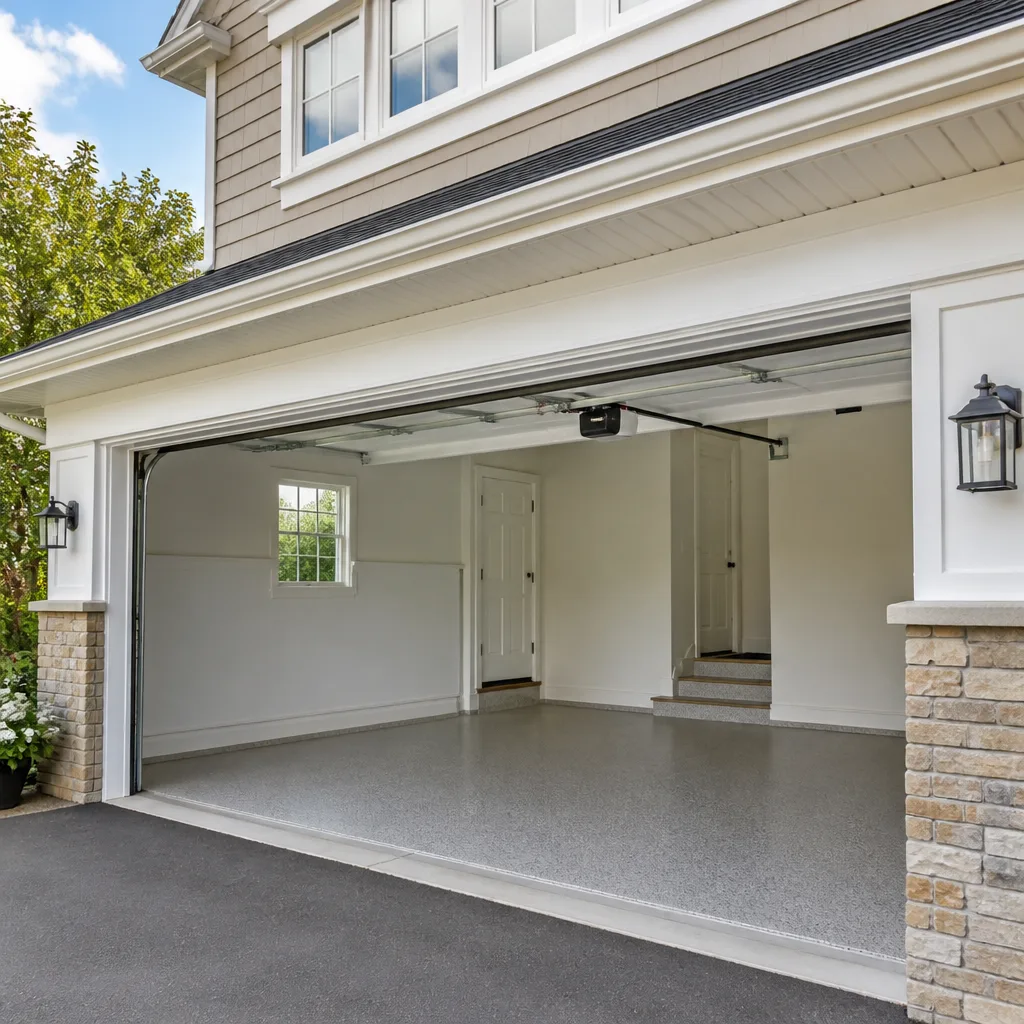 LiftMaster openers
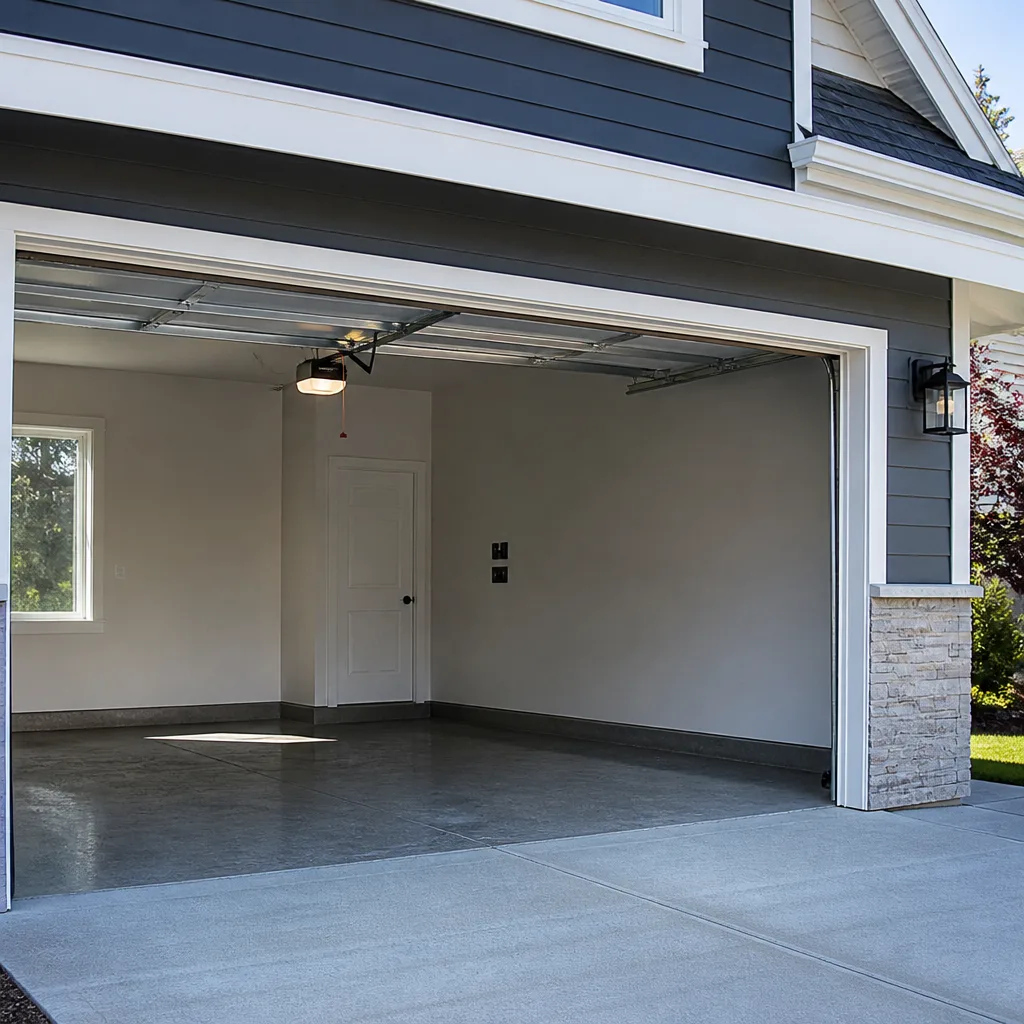 Chamberlain openers
Full 25-point door and opener safety check with every visit - springs, cables, rollers, tracks, and your LiftMaster or Chamberlain opener included
You get a price before we start. It does not change when the truck arrives.
Get your free estimateSeasonal Garage Door Care for Portland: Year-Round Homeowner’s Guide
Most garage door care advice you’ll find online was written for a place with four distinct seasons. Portland doesn’t have those. We have a long wet stretch that runs from fall into spring, and a short dry window that shows up in summer. That changes everything about when you should be doing maintenance, and it means the standard “winterize in November” timeline is roughly a month too late for homes here. By the time the first cold snap arrives, the rain has already been working on your seals for weeks. This guide walks through the calendar as it actually plays out in Portland, with specific timing for the tasks that prevent the most common service calls we see.
Quick Answer
The most important seasonal garage door care in Portland happens in October, not November: check and replace bottom seals, lubricate moving parts, verify cable tension, and adjust your opener’s force setting for the colder door weight ahead. From November through February, watch for windstorm stress on tracks and top brackets. Use the dry July-through-September window for spring replacement, panel work, and opener upgrades, then inspect for silent moisture damage in late spring before the next wet season compounds it.
Styles & brands we work with
- Raised-panel steel
- Carriage house
- Modern flush
- Full-view glass
- LiftMaster openers
- Chamberlain openers
Table of Contents
- Why Portland’s Two-Season Pattern Changes Your Maintenance Calendar
- October Pre-Rain Prep: The Five Tasks That Prevent Most Winter Calls
- Mid-Winter Monitoring: Cold Snaps Versus Prolonged Wet Periods
- How Portland Windstorms Stress Tracks and Top Brackets
- The Dry-Season Window: July Through September
- Late Spring: Finding Silent Moisture Damage Before It Compounds
- Brand-Specific Notes for Portland Homes
- Your Year at a Glance
Why Portland’s Two-Season Pattern Changes Your Maintenance Calendar
Portland’s weather really does split into two modes. There’s the wet season, which typically starts in October and grinds on through spring, and the dry season, which is roughly July through September. The transitions matter more than the seasons themselves. A door that gets maintained in October is being prepared for six months of moisture. A door that gets maintained in April is being checked for what that moisture already did.
This pattern creates stress points a generic four-season guide never addresses. Constant damp air keeps bottom seals soft and pliable, which sounds good until you realize soft rubber deforms faster against a concrete slab. Rain blowing sideways during storms pushes water toward the door’s base and lower hinges. Prolonged cold is less common here than in other parts of the country, but when it does arrive, the contraction it causes in metal components catches homeowners off guard.
We work on doors across Portland, from older homes in Sellwood and Laurelhurst with original hardware to newer construction in the Pearl District and Hillsboro with smart openers. In our experience, the doors that fail in January are almost always the ones that got no attention in October. It’s not that Portland’s weather is extreme. It’s that it’s persistent, and persistence works on hardware the same way water works on stone.
The practical takeaway is simple: shift your maintenance calendar earlier in fall and later in spring than the national advice suggests. Treat October as your primary prep month and late May or early June as your inspection month. The dry summer months become your window for bigger jobs, not routine checks.
October Pre-Rain Prep: The Five Tasks That Prevent Most Winter Calls
This is the most important month on the calendar, and it’s the one most homeowners skip because national checklists tell them to wait. Do these five things before the sustained rain arrives, and you’ll head off the majority of winter service calls.
- Inspect and replace the bottom seal. Run your hand along the rubber seal at the base of the door. Look for cracks, flat spots, and any gap where light comes through from outside. A hardened or torn seal lets water and cold air under the door, and it also lets pests in. Replacing a worn bottom seal is one of the least expensive things you can do for a door.
- Lubricate every moving part. That means rollers, hinges, the torsion springs, and the track where the rollers ride. Use a garage door lubricant, not general-purpose oil or WD-40. The goal is a light film that stays put through wet months, not a dripping mess that attracts grit.
- Check cable tension and look for fraying. Cables should be taut and even on both sides. Frayed strands, kinks, or uneven tension on one side are warning signs. This is a visual check only. Cables are under extreme tension and should only be adjusted or replaced by a trained technician.
- Adjust your opener’s force setting for the colder door weight ahead. Metal contracts in cold weather, and so do the seals. A door that balanced perfectly in September can bind slightly in January. Modern openers from LiftMaster, Chamberlain, Genie, and Craftsman have force adjustment settings, and getting them right before the cold arrives prevents strain on the motor and the door. Refer to your opener’s manual for how to access that setting on your specific model.
- Clear the tracks and check the weatherstripping around the frame. Debris in the track grabs rollers and causes them to wear faster. The weatherstripping around the door opening should seal against the door without being crushed. If it’s brittle or pulling away, replace it before the rain finds the gap.
None of these tasks require special tools or a full afternoon. Most homeowners can handle the cleaning, lubrication, and seal inspection. The cable check is a look-only task by design. Anything involving tension adjustment or replacement belongs with someone trained to do it safely.
Mid-Winter Monitoring: Cold Snaps Versus Prolonged Wet Periods
From November through February, Portland alternates between stretches of steady rain and occasional cold snaps. Each creates different problems, and knowing which one you’re in helps you know what to watch.
During prolonged wet periods, the problems tend to be gradual. Water finds its way past a tired bottom seal and sits against the slab. Hinges on the lower panels start to show surface rust. Wood doors swell slightly at the edges. Paint on steel doors can blister where moisture gets underneath. None of this stops the door on day one, but it compounds. A monthly walkaround during the wet season catches it while it’s still a cleaning and painting job rather than a panel replacement.
During cold snaps, the issues are more sudden. Metal tracks contract and can shift slightly out of alignment. Rollers that were smooth in October may drag. Springs behave differently in the cold, and a door that was balanced in mild weather may need a small opener adjustment. The most common thing we hear during a cold snap is that the door goes up but won’t stay up, or that the opener reverses before the door fully closes. Both usually trace back to force settings that haven’t been adjusted for colder conditions.
One thing to remember through winter: if you hear a loud bang from your garage and the door won’t lift, a torsion spring has broken. Don’t try to operate the door or perform a DIY repair. These springs are under enough tension to cause serious injury. Call a technician.
If your door is stuck while the rain is coming down, it’s a real problem. A door that won’t close means water, wind, and whatever else is outside can get in. Our garage door repair team handles winter failures throughout Portland, and the diagnosis always comes before any part replacement.
How Portland Windstorms Stress Tracks and Top Brackets
Portland gets windstorms from November through February, and they hit the garage door harder than any other part of the house. The door is the largest moving surface on your home, and it catches wind like a sail. Everyday use stresses the door in one direction. A windstorm pushes it in another, and the metal hardware underneath pays for it.
Two areas take the most beating:
- Horizontal tracks. The tracks that guide the door along the ceiling can bend or push out of alignment when the door deflects in a gust. Even a small bend creates drag that wears out rollers and strains the opener. If you notice the door binding or the opener working harder after a storm, look at the horizontal tracks first.
- Top-section brackets. The brackets on the top panel absorb the most wind pressure because that’s the panel doing the most work against the opening. Loose or bent top brackets cause the door to hang unevenly, and they can pull away from the panel over time if not addressed.
After a significant windstorm, walk around the door and look for anything that’s clearly out of plumb. Open and close it once or twice and listen for new sounds: scraping, popping, or the opener straining. If the door is visibly out of alignment, don’t keep operating it. A bent track can send a roller off the edge and drop the door. This is one place where cutting corners isn’t worth it.
It’s also worth noting that windstorm damage to tracks and brackets usually shows up over the following weeks, not immediately. A door that seems fine after a storm can develop problems as the slightly bent components work against each other over hundreds of open-and-close cycles. A quick inspection after the storm season ends catches this before the dry-season window.
The Dry-Season Window: July Through September
Portland’s dry months are the best time to do anything that requires the door to be out of service for a while, or that benefits from dry conditions. That includes spring replacement, panel work, weatherstripping replacement, painting, and opener upgrades.
Here’s why timing matters:
- Spring replacement. Springs wear out on a predictable timeline. If yours is showing age, replacing it in July means you’re not dealing with a broken spring in the middle of a cold rainstorm. It also means the new spring is installed and balanced under dry conditions, which is easier to verify.
- Panel replacement and paint. If you’re replacing a panel or repainting a steel or wood door, dry weather matters for adhesion and curing. Painting in October runs the risk of trapping moisture under the coating.
- Opener upgrades. Upgrading to a smart opener from LiftMaster or Chamberlain takes a bit of work: mounting, wiring, syncing, safety reversal testing. Doing it in summer means you can verify the safety features thoroughly without racing the rain. It also gives the system months of use before it has to handle a cold-weather cycle.
- Full door replacement. A new installation takes planning, measurement, and scheduling, and it’s easier to coordinate with dry weather. If you’re considering a new door from Clopay or Amarr, pricing and selection work better when there’s no urgency behind the decision.
We’re not saying summer is the only time to do this work. The point is that giving the door a few dry months of service before the wet season starts is easier on both the hardware and the schedule. A spring installed in September has months of use before it has to handle a cold-weather cycle. A panel painted in July has fully cured before the rain arrives. That timing extends the life of the work you paid for.
For doors and openers that are being replaced rather than repaired, garage door opener repair diagnosis can tell you whether a new opener is actually needed or whether a repair will get you through another season. It’s worth knowing before you commit to a bigger job.
Late Spring: Finding Silent Moisture Damage Before It Compounds
By late May or early June, the wet season is winding down. This is the inspection window, and it’s the one most homeowners don’t have on their radar at all. The damage that accumulated over winter tends to be quiet. Rust, swollen wood, cracked seals, loosened fasteners, and hardened lubricant don’t announce themselves.
Here’s what to check:
- Look at the bottom of the door. Rust blooming on the bottom panel or the bottom brackets is nearly always a sign that water has been sitting against the door. It’s often hidden behind the seal.
- Check the hinges and the lower rollers. These are the parts closest to water on the floor. A light surface rust is normal and manageable. Deep rust on the hinge barrel means moisture is inside the hinge itself, and the hinge should be replaced before it seizes.
- Inspect the weatherstripping around the frame. The stripping along the sides and top of the door frame often hardens faster than homeowners expect. If it’s brittle or pulling loose, it’s not sealing. That’s a problem that compounds in the next wet season.
- Test the door’s balance and opener behavior. Disconnect the opener and lift the door about halfway. If it stays put, it’s balanced. If it sinks or rises on its own, something has changed over the winter. That could be spring wear, track shift, or cable issues.
- Walk the tracks with your eyes. Look for rust spots, dents, and any spot where the roller seems to ride unevenly. Rust on the track means moisture got in, and it tends to progress once it starts.
Fixing moisture damage in early summer gives you the rest of the dry season to do it, and it means the work is done before the next wet season starts. A hinge replaced in June is protected by summer weather before the rains come back. A seal replaced in September is already being tested. And a panel painted in June gets the benefit of the warmest, driest part of the year to cure.
Brand-Specific Notes for Portland Homes
Brand matters for seasonal care more than most people realize. Different door brands use different seal designs, hardware, and finishes, and the openers that drive them have their own force settings and diagnostic behavior. We work on eight major brands and see how each handles Portland’s weather.
On the door side, Clopay and Amarr steel doors are common on Portland homes, and both handle wet-season exposure well when the seals are maintained properly. The finish on a steel door is the first line of defense against rust. Any spot where paint chips or scratches gets compromised faster in a wet climate, so touching up chips in the dry months is worth the effort. Wood doors and wood-composite doors need more careful attention to weatherstripping because they respond to moisture differently.
On the opener side, LiftMaster, Chamberlain, Genie, and Craftsman units cover most of what we see in Portland homes. Older Craftsman units and legacy Genie openers are still common on older homes, and both benefit from force adjustment before cold snaps. Newer LiftMaster and Chamberlain units with smart-home compatibility usually have more sophisticated force diagnostics, but they still need the setting adjusted for seasonal temperature changes. The manual for your specific model is the reference for how to access it.
One thing to keep in mind: knowing the brand of your door and opener before you call a technician saves time and helps get the right parts on the first visit. If you’re not sure, check the label inside the door panel or on the opener housing. Most residential units have identifying information there.
Whether your system is a Wayne Dalton, Ryde, or Raynor open, or a LiftMaster or Genie opener, the seasonal tasks in this guide apply the same way. What changes is the specifics of how to access the settings and what the failure signs look like. Shoreline Garage Door Service works on all of them, and we’re happy to tell you what we’d check on your particular brand.
Your Year at a Glance
Here’s the calendar, condensed:
- October: Bottom seal inspection and replacement, full lubrication, cable and track visual check, opener force adjustment, weatherstripping check around the frame.
- November through February: Monthly walkaround during wet periods to catch rust early. After windstorms, check horizontal tracks and top brackets for alignment. During cold snaps, listen for opener strain and watch for doors that reverse before closing.
- March through June: Watch for late wet-season issues. In May or June, do a full inspection for moisture damage: rust on bottom panels, hinge condition, weatherstripping hardening, door balance, track rust.
- July through September: The dry season is the window for spring replacement, panel work, painting, opener upgrades, and full door replacement. Schedule bigger jobs here.
This isn’t a strict calendar. If you’re doing a task in the “wrong” month and it’s the one you can actually get to, that’s better than skipping it. The point is to shift the emphasis toward October prep and late spring inspection, which are the two months most guides leave out.
Common Mistakes to Avoid
- Following a national November timeline. Portland’s rains start in October, not November. Waiting until the standard winterize date means six weeks of moisture already landing on unprotected seals. Prep in October and you’ll prevent most of what you’d otherwise be repairing.
- Using general-purpose oil or WD-40 on the moving parts. These attract grit and dry out faster than garage door lubricant. The rollers, hinges, and springs should get a proper garage door lube that stays where it’s put.
- Skipping the bottom seal because it looks “fine” from above. The bottom seal is the most weather-exposed part on the entire door. From standing height it can look intact while water is finding the gap at slab level. Get down and check it from the floor.
- Adjusting spring tension or cables on your own. Torsion springs and cables are under enough tension to cause serious injury. Visual check only. Any tension adjustment is a job for a trained technician.
- Ignoring small changes in how the door moves. A door that reverses late, hesitates, or sounds slightly different is telling you something. Catching it in October is cheaper than catching it in January.
- Doing spring replacement in the middle of the wet season as a “wait and see” strategy. A tired spring will fail eventually, and it tends to fail at the most inconvenient time. Replace it in the dry window if it’s showing age.
- Scheduling a full door replacement in a hurry. Doors from Clopay, Amarr, Wayne Dalton, and Raynor all have measurement and scheduling timelines. Starting in summer gives you options and avoids urgent decisions.
See the difference
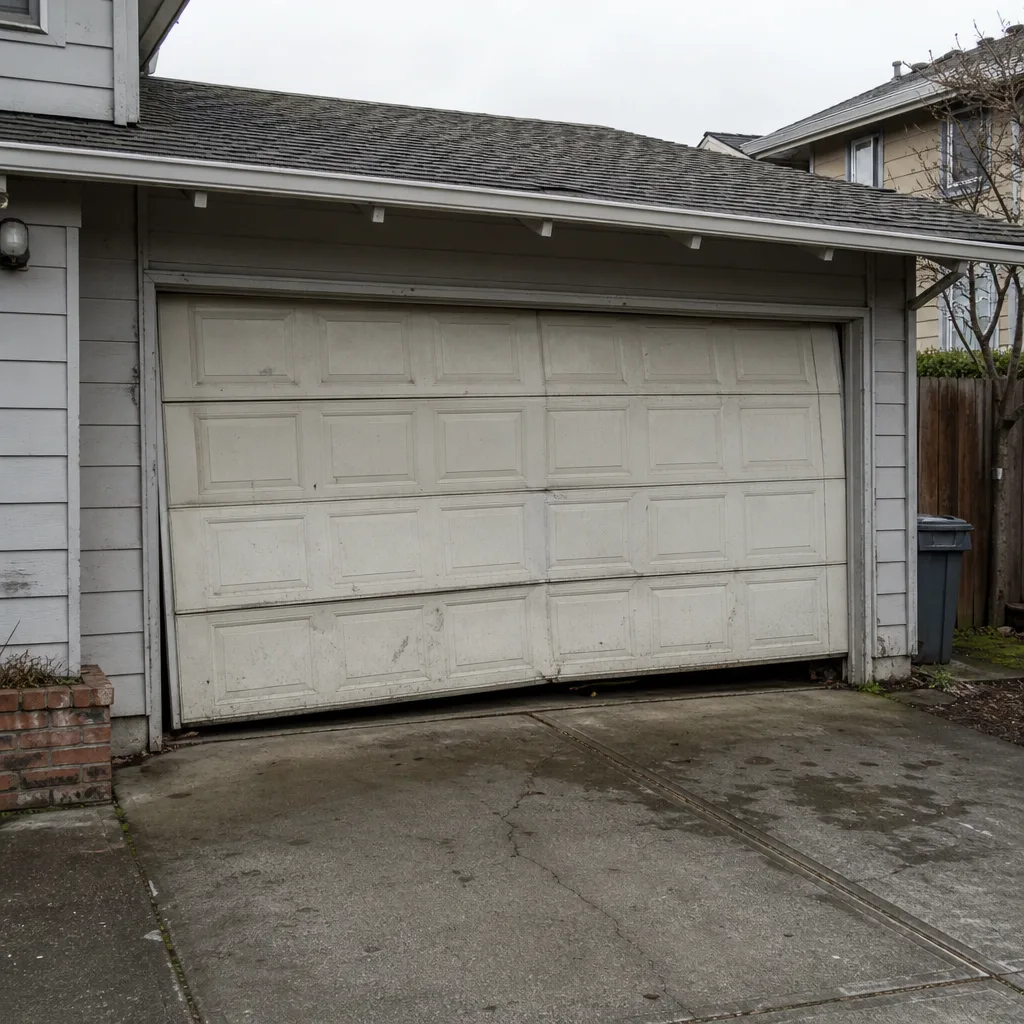 Before
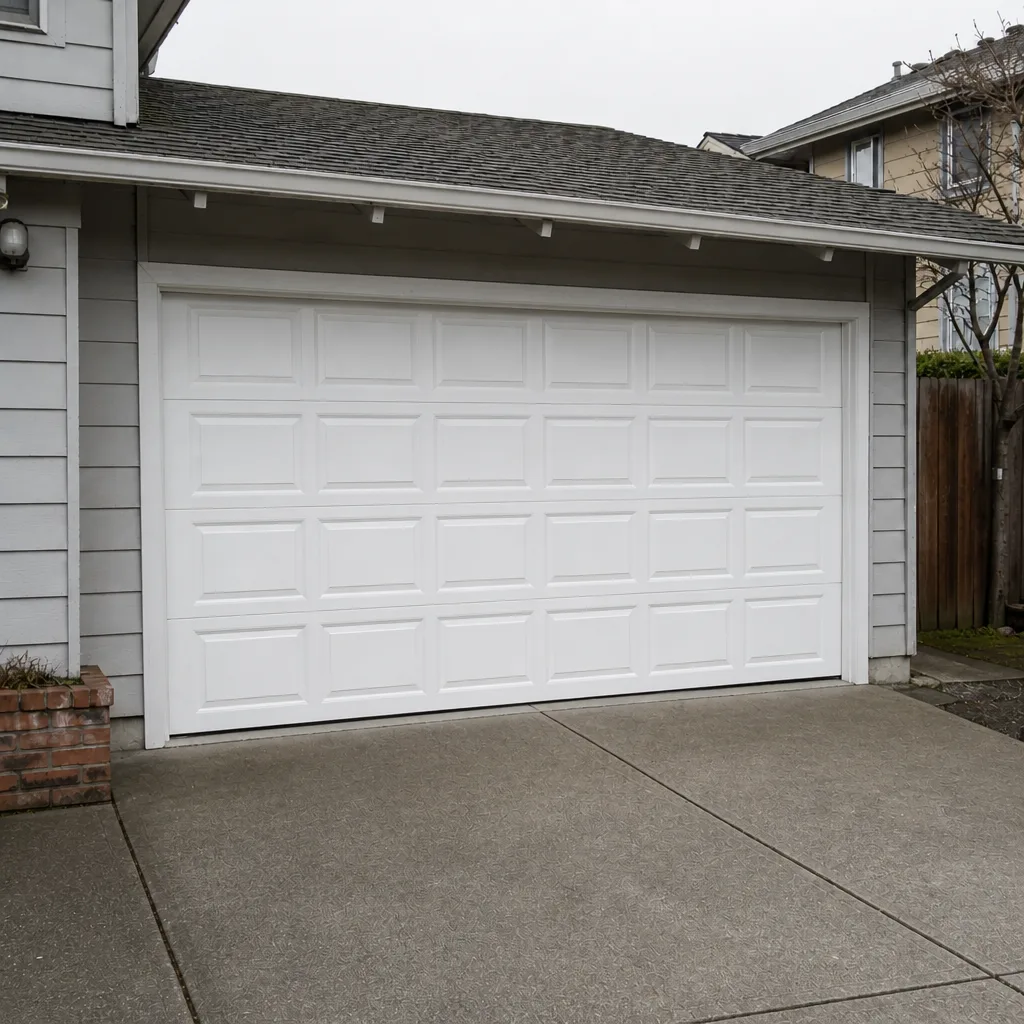 After
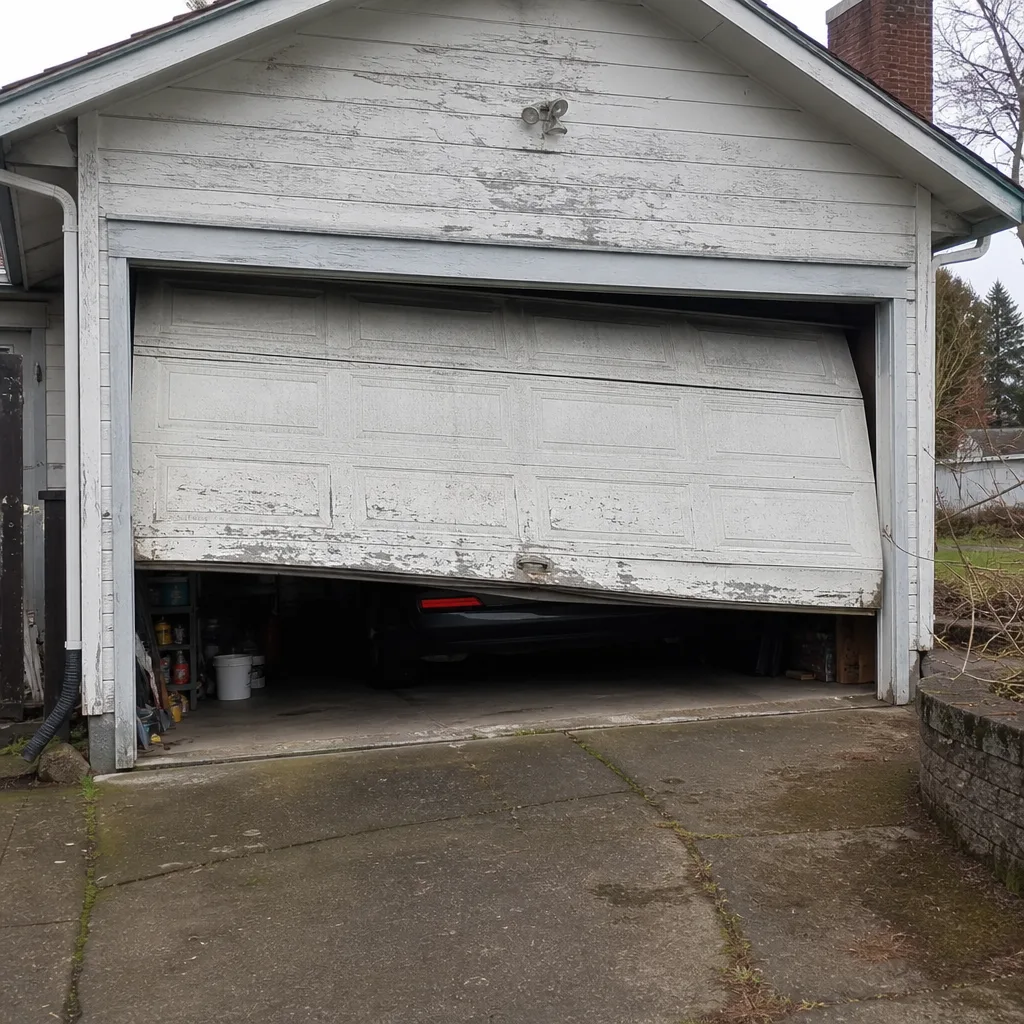 Before
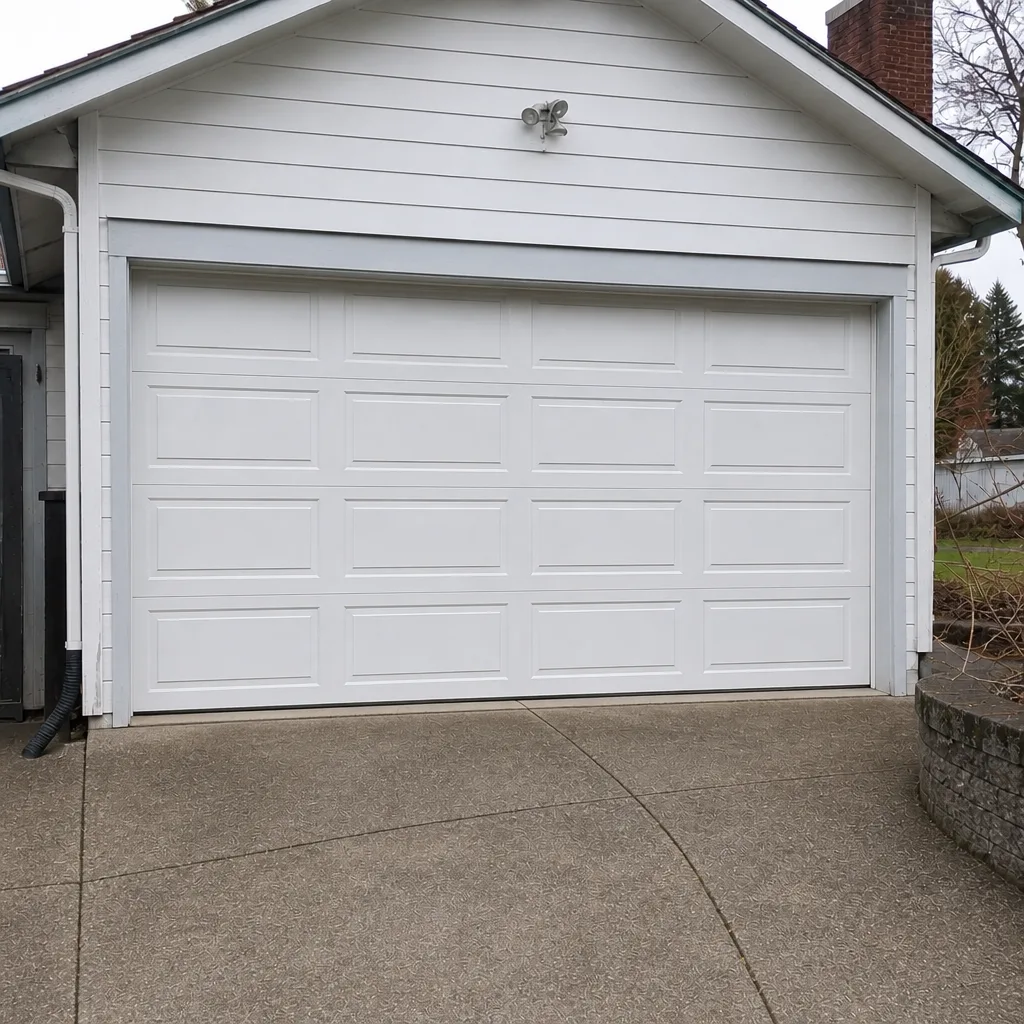 After
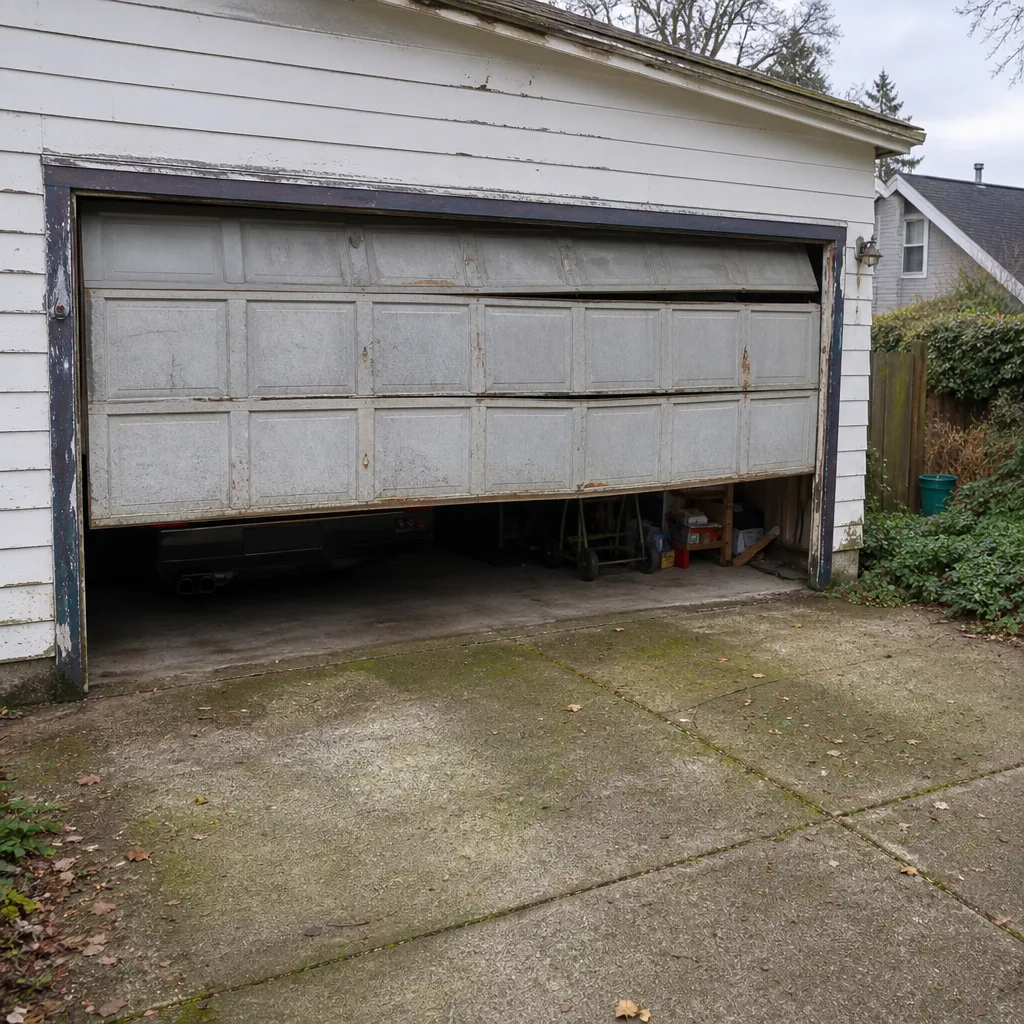 Before
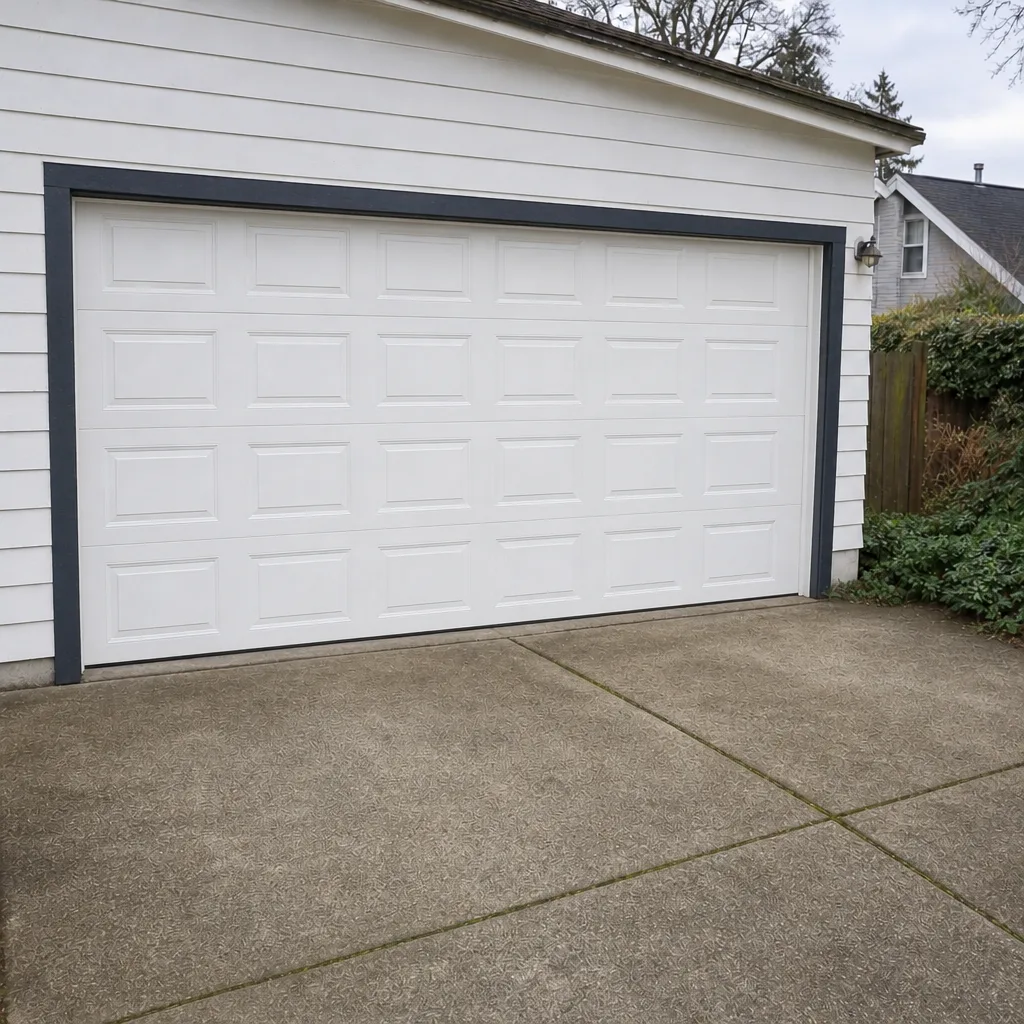 After
When to Call a Professional
Some seasonal care is genuinely homeowner work: lubrication, seal inspection, bottom seal replacement, and walking the tracks with your eyes. The line gets crossed when the work becomes about tension or structural alignment. Call a professional if you hear a loud bang and the door won’t lift (broken spring), if the door comes off its track, if you see frayed or uneven cables, if the door hangs noticeably uneven or drags, or if the opener reverses unexpectedly or strains to move the door. Also call if a windstorm has visibly bent a track or pulled a top bracket away from the panel. These are not things to test gently and see how they go.
Portland homeowners can get a free estimate from Shoreline Garage Door Service. Call (866) 942-7741. We answer 24/7, with fast dispatch from 7am to 7pm, Sunday through Friday.
Frequently Asked Questions
Do it in October, not November. Portland’s rains typically begin in October and run through spring, so the prep work (seals, lubrication, cable check, opener force adjustment) needs to happen before that rain starts. Waiting until November means weeks of moisture have already been working on your door. If October slips past, do it at the first opportunity; late is better than skipped.
Bottom seal inspection and replacement is the single most important task. The bottom seal is the most weather-exposed part on the door, and it’s the one place where water, cold air, and pests enter. A worn seal lets moisture sit against the slab, which accelerates rust on lower hinges and panels. Replacing it in October is inexpensive; repairing the rust it prevents isn’t.
Windstorms from November through February stress the horizontal tracks and top-section brackets more than everyday use does. The door catches wind like a sail, and that pressure deflects the door in ways regular open-and-close cycles don’t. After a significant storm, check the horizontal tracks for bending and the top brackets for loosening. Bent tracks can send rollers off the edge, so a door that’s visibly out of alignment should not be operated.
No. Torsion springs are under extreme tension and can cause serious injury if handled incorrectly. Even experienced homeowners should not attempt spring replacement. Beyond safety, getting the tension wrong on a new spring will cause the door to behave unpredictably and can damage the opener. Leave spring work to a trained technician. Any door specialist will confirm this.
For most repairs, summer is the better time because the weather is dry and the work can be verified without interference from rain. It’s also the best window for spring replacement, panel work, painting, and opener upgrades. That said, you shouldn’t delay an urgent repair to wait for dry weather. If something breaks, deal with it then.
Stop operating the door and call for repair. A door that won’t close exposes your garage to water and wind, and forcing it risks further damage to the opener or the door hardware. Our garage door opener repair team diagnoses the actual cause before recommending parts. We give you a written price before any work starts, so you know what you’re paying for. Call (866) 942-7741 for a free estimate.
The Bottom Line
Portland’s two-season weather pattern means your garage door care should follow a two-season calendar, not a four-season one. October is your primary prep month: seals, lubrication, cable check, opener force adjustment, weatherstripping. The wet months demand monthly monitoring and honest attention to anything new. The dry season is your window for spring replacement and bigger work. Late spring is the inspection that catches what the wet months left behind. Get those four checkpoints right and you’ll prevent most of the seasonal problems we see in Portland garages.
If a door or opener needs professional attention, call (866) 942-7741 for a free estimate. We work on all eight of the major brands, and we diagnose before we replace.
Written by the team at Shoreline Garage Door Service, serving Portland since 2016.