
Last updated November 14, 2026
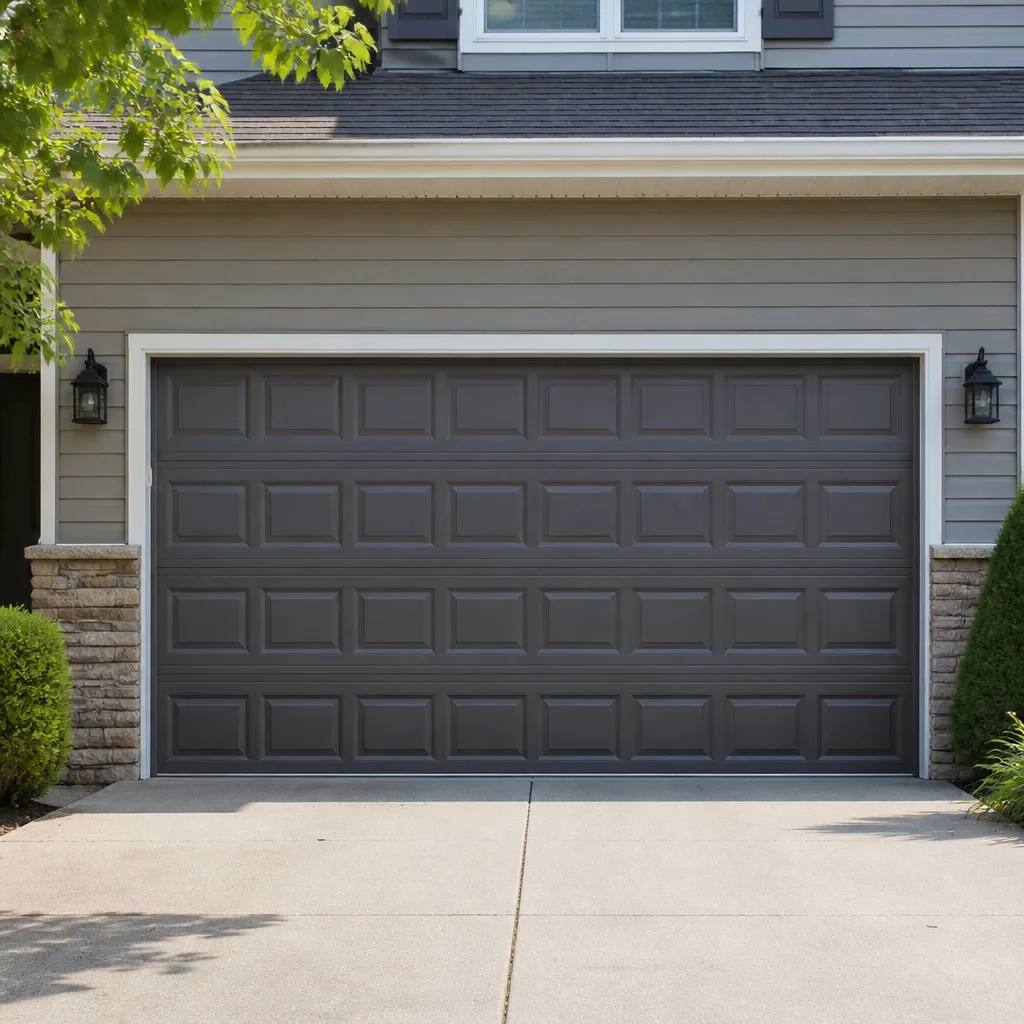 Raised-panel steel
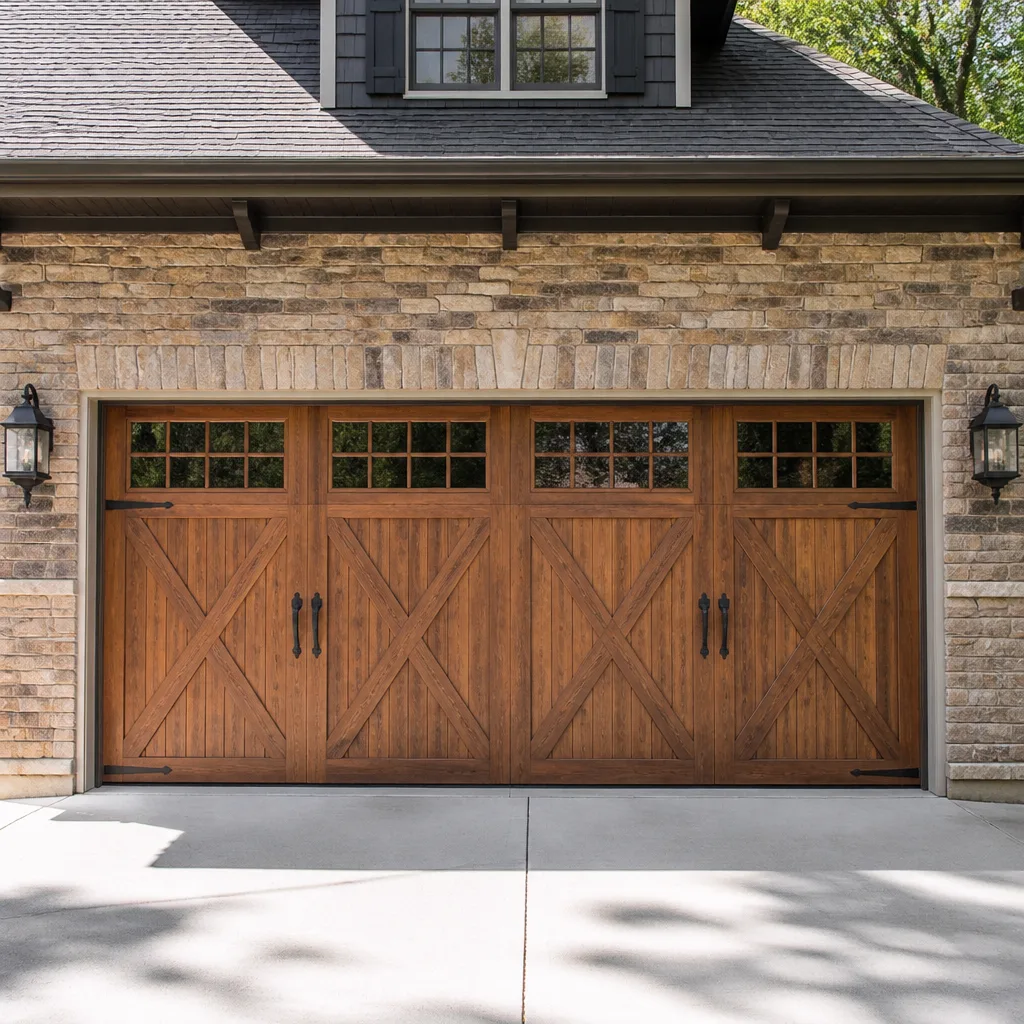 Carriage house
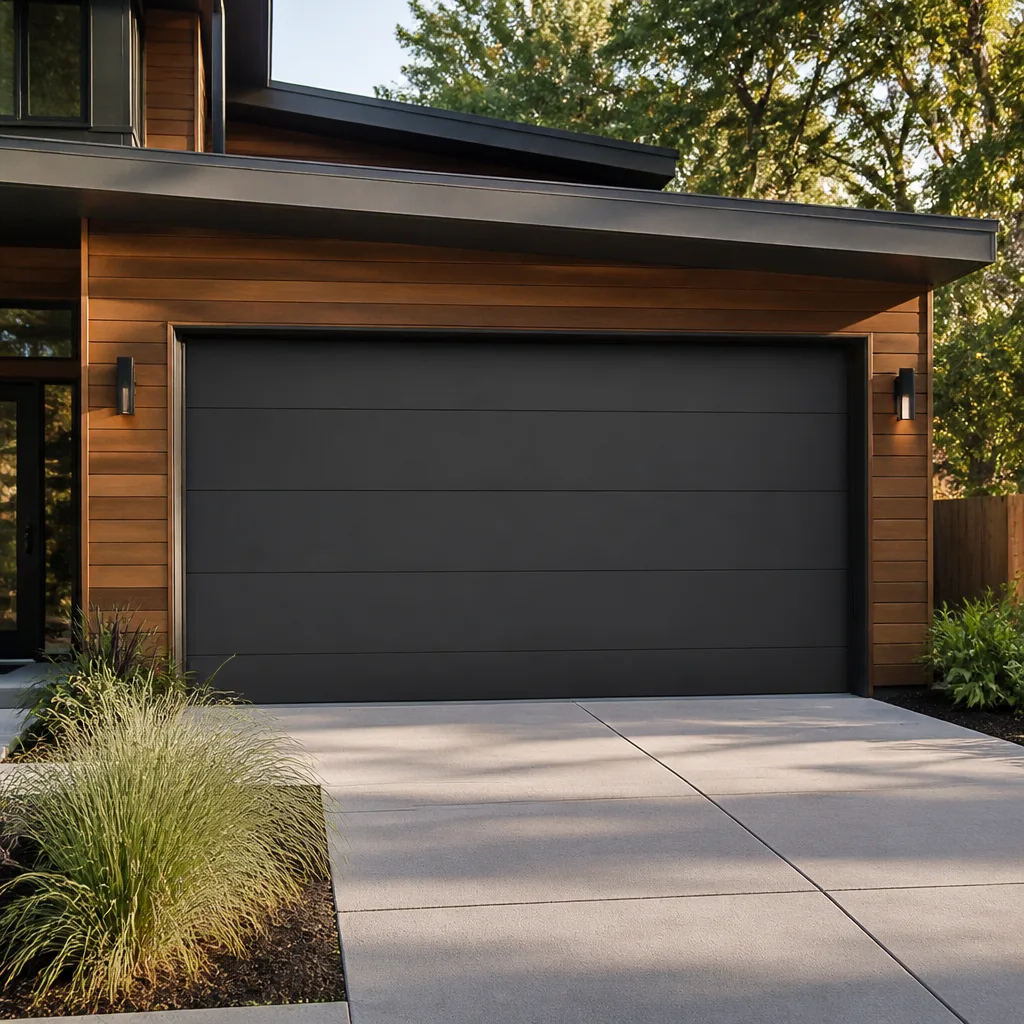 Modern flush
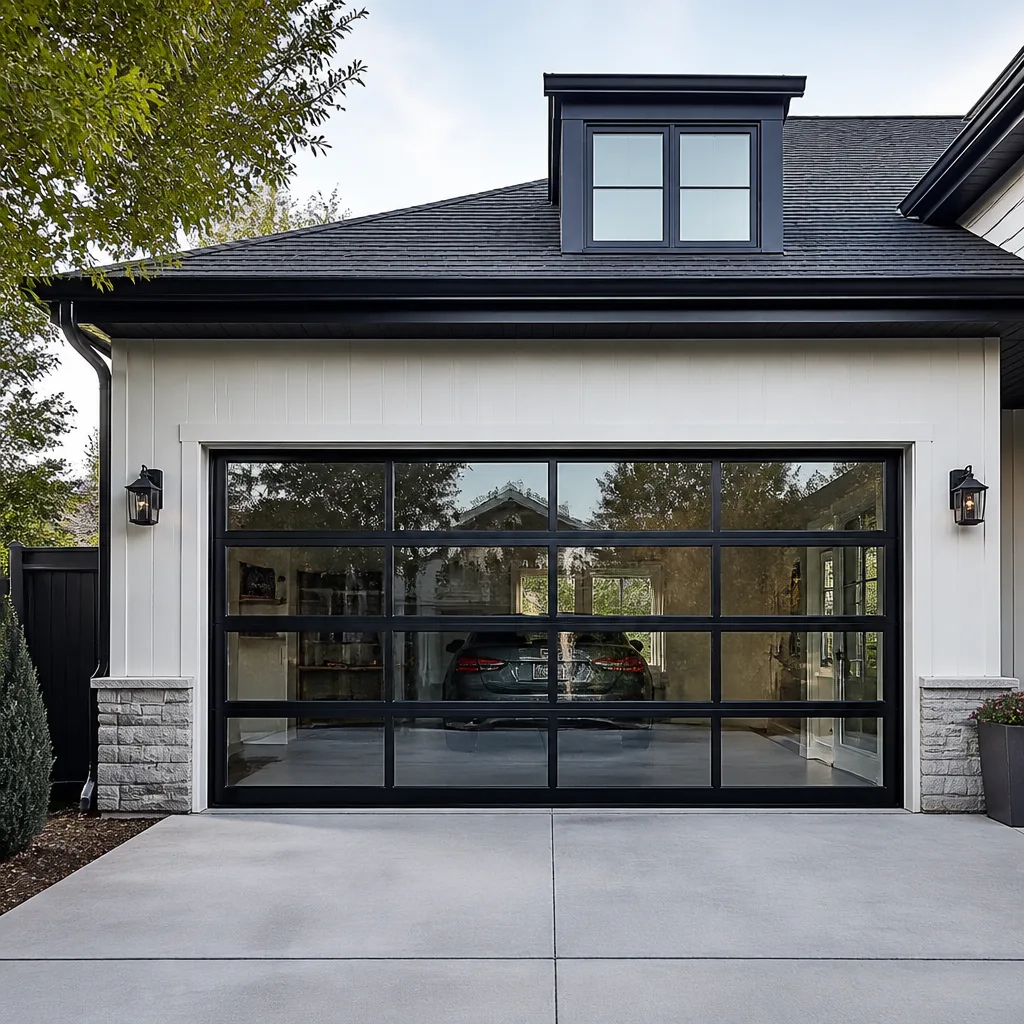 Full-view glass
 LiftMaster openers
 Chamberlain openers
Full 25-point door and opener safety check with every visit - springs, cables, rollers, tracks, and your LiftMaster or Chamberlain opener included
You get a price before we start. It does not change when the truck arrives.
Get your free estimateGarage Door Emergency Preparedness Guide for Portland Homes
Most Portland homeowners think a garage door emergency means a broken spring or a dented panel. In practice, the more common failure is quieter: the power goes out, the opener goes dead, and nobody in the house knows where the manual release cord is or how to use it without turning a heavy door into a hazard. Portland’s ice storms have a way of making that clear all at once. We’ve seen it after winter storms, when entire neighborhoods have a dead garage and no way to get the car out.
This guide covers the readiness steps that actually matter here: manual release operation for the openers in your home, what to check after a windstorm before you touch the button, how seismic risk affects your door hardware, and how to secure the garage while the power is still out. It’s written for Portland houses, not a generic national template.
Quick Answer
A garage door emergency in Portland usually comes down to three things: knowing how to release the door manually and safely, checking the door after a storm before you run the opener, and having a way to secure the garage when power is out for an extended stretch. Most homes need no new equipment to handle the first two. The third is where a battery backup opener is worth pricing against a generator. If your door or opener is already damaged, or a spring or cable has failed, stop operating it and call a professional: (866) 942-7741. We answer 24/7. Fast dispatch from 7am to 7pm, Sunday through Friday.
Styles & brands we work with
- Raised-panel steel
- Carriage house
- Modern flush
- Full-view glass
- LiftMaster openers
- Chamberlain openers
Table of Contents
- Why Portland Garage Door Emergencies Look Different
- How Do You Open a Garage Door Without Power?
- What Goes Wrong With the Manual Release
- What to Inspect After a Portland Windstorm
- Does Seismic Code Apply to Garage Doors in Portland?
- Battery Backup Opener or Generator: Which Makes Sense?
- How Do You Secure a Garage Door During an Outage?
- When to Call a Professional
Why Portland Garage Door Emergencies Look Different
Three local realities shape how a garage door fails in Portland, and none of them show up in a generic emergency checklist.
The first is the ice storm pattern. When a winter storm coats the city in ice, it tends to take trees and power lines with it, and outages can run long enough that a garage stops being a garage and becomes a locked room. The door isn’t broken. The opener just has no electricity, and the whole household is stuck.
The second is wind. Portland sits where strong low-pressure systems come in off the Pacific and funnel through the Columbia Gorge, and the east side of the city catches gusts that rattle doors hard. A door that’s been pushed out of alignment by wind stress will sometimes still open, which is the trap: running it that way turns a straightening job into a bent track and a burnt-out opener gear.
The third is earthquake. Portland sits within the Cascadia Subduction Zone, and buildings here are designed with that risk in mind. For garage doors, the practical question isn’t the door panel itself, it’s the hardware that keeps the door and its tracks attached to the structure. A door that pops off its track during shaking becomes a large moving object in a room people may be trying to leave.
The thread running through all three is the same. Preparation costs almost nothing. Recovery costs real money. This is the same reasoning behind our garage door repair work: diagnose what actually failed before parts get replaced.
How Do You Open a Garage Door Without Power?
You pull the manual release cord, but only after confirming the door is fully closed and nobody is underneath it. The cord disconnects the door from the opener so you can lift it by hand. Done wrong, it drops a door weighing well over a hundred pounds with the springs still under tension.
Most openers in Portland homes use one of two release designs: the standard pull cord hanging from the opener trolley, and the slide or lever release on older units. Both do the same thing. Here’s the safe sequence.
- Confirm the door is fully down. Look at it. Don’t assume. A partially open door with the opener disengaged has nothing holding it up but friction.
- Clear the area under and around the door. No people, no pets, no car hoods within the door’s path.
- Find the release cord or lever. It hangs from the rail near the opener head. If you can’t find it, you don’t pull anything yet. The cord may be tangled or missing, and a door that can’t be released by hand needs a technician.
- Pull straight down with steady pressure. On a slide release, pull the lever toward the door. You’ll hear the trolley disconnect.
- Lift slowly with both hands. The springs should carry most of the weight. If the door feels heavy or won’t stay up, stop. That’s a spring problem, not a technique problem.
- Re-engage the trolley when power returns. With the door fully closed, pull the release again or cycle the opener once to reconnect. Test the safety reverse before you trust it.
If that sequence reads as new information, tape a printed copy to the wall next to the disconnect. It’s the single highest-value thing you can do for garage door readiness in Portland.
Overhead springs and cables are under extreme tension and are the leading cause of serious injury in this trade. Never try to adjust, wind or remove them yourself. That work belongs to a trained technician, every time.
What Goes Wrong With the Manual Release
The fails we get called about aren’t usually dramatic. They’re small omissions that become expensive.
- Pulling the cord with the door open. The single most common mistake. A door with the opener disengaged and the springs fatigued can slam down fast.
- Thinking the door is lighter than it is. Springs do the lifting, not you. If yours feels heavy, the springs have lost tension, and that’s a repair, not a workout.
- Re-engaging the trolley with the door partway up. This strips the trolley and can burn the opener motor. Always re-engage with the door fully closed.
- A cord that’s too short or missing. Older units sometimes have the cord clipped short or tied off. Extending it is a small job worth doing before you need it.
- Forgetting to test the safety reverse afterward. After any manual cycling, put something in the door’s path and confirm the door reverses. If it doesn’t, the door isn’t safe to operate until it’s adjusted.
- Disengaging a door that was already off-track. If the door is crooked or binding, a manual release makes it worse. That’s a stop-and-call situation.
One more thing worth knowing: opener brands handle release tension differently. The LiftMaster and Chamberlain units common in Portland homes have a fairly forgiving trolley release. Genie systems on older doors can be stiffer, and pulling harder isn’t the answer. The disconnect should move with moderate hand pressure. If it doesn’t, the trolley is binding and needs a look.
What to Inspect After a Portland Windstorm
Wait until the wind has actually stopped, then walk the door from the inside before you press the button. Wind damage to a garage door is usually visible before it’s functional, and catching it visually is what prevents secondary damage.
Here’s the walk-around we use:
- Look at the panels from inside. A panel that’s cracked, separated at a hinge, or bowed outward has taken an impact. Don’t run the door.
- Check the horizontal tracks for angle. Lay a straight edge or a level on the tracks. Both sides should match. A bent track will drag the rollers and grind the door every cycle.
- Inspect the cables for slack or kinks. Cables should be taut and sitting in their drums. A cable off its drum is a hard stop. Don’t touch it, and don’t operate the door.
- Look for debris in the tracks. Wind-driven branches, leaves, and grit jam rollers. Clear the tracks by hand with the door closed.
- Check the bottom seal and weatherstripping. A seal that’s lifted lets water in and misaligns the door’s closing position.
- Test the balance by hand. With the door disengaged and closed, lift it about halfway. It should hold roughly where you leave it. If it drops or runs away upward, the springs need service.
- Run the opener once and watch. Any grinding, popping or hesitation is a call, not a retry.
Portland windstorms often hit the west hills and the older neighborhoods hardest, and homes there tend to have older doors with more accumulated hardware wear. If your house is in one of those areas, the walk-around is worth doing after every big blow, not just when something looks wrong.
Does Seismic Code Apply to Garage Doors in Portland?
New garage door installations in Portland should account for seismic bracing, and anyone replacing a door should ask their contractor about it. The city’s building department is the authority on what your specific installation requires, so confirm the details there before work begins.
What that means practically: garage door tracks and the opener’s mounting are attached to the structure above. Standard brackets do the job for everyday loads. Seismic-rated brackets and track reinforcement add resistance to the shaking a Cascadia event would produce. If your door is being replaced anyway, the incremental cost is modest compared with retrofitting later.
For existing doors, there are two things worth checking.
- Track attachment. Tracks should be fastened securely to the wall and header with no loose or missing fasteners.
- Header and jamb condition. Dry rot in the framing is a common Portland issue and it’s what actually holds the door’s hardware. A door bolted to soft wood isn’t braced, whichever bracket is on it.
Seismic hardware isn’t a guarantee against damage. It’s a reasonable precaution with a modest price attached, and in a city that plans around earthquake risk, it’s the kind of question a technician should be able to answer directly. When we quote a new installation, seismic bracing is part of the conversation from the start, not an add-on raised after the order.
Battery Backup Opener or Generator: Which Makes Sense?
A battery backup opener keeps your specific door working through a power outage and typically costs less than a whole-home generator. It powers one device. If your concern is getting the car out or securing the garage, it covers the problem. If your concern is keeping the furnace and fridge running, it doesn’t.
Here’s the honest comparison for a Portland household:
- Battery backup opener: powers and cycles the door during an outage. Best fit for homes that have lost power before and want a simple, single-purpose answer. Smart-home compatible units from LiftMaster and Chamberlain can also report door status to a phone, which is useful if you’re not home when power drops. Genie and Craftsman systems have comparable options.
- Whole-home generator: keeps the house running, garage included, at a much higher installed cost and with ongoing maintenance. Worth considering if outages in your area run long enough to threaten pipes or food, or if anyone in the house depends on medical equipment.
- Neither (manual release plus a plan): workable if you know the release procedure and keep the garage physically secure. Zero equipment cost. Requires knowing where the cord is.
Our take: most Portland homes get the most value from a battery backup opener, because the emergency is almost always “the door won’t move,” not “the house has no power.” If you’re unsure which opener you have, don’t guess. Ask a technician who works on that brand. We service all four of the opener lines above, so if it was installed on a typical residential system, we’ve got it.
If you think your opener itself is failing, not the power, that’s a separate diagnosis and the guide on garage door opener repair covers the symptoms.
How Do You Secure a Garage Door During an Outage?
You secure it with the opener’s manual lock, a physical lock through the track, or by leaving the door fully closed and driveway-side lockable until power returns. Portland’s outage-related break-in risk is worth taking seriously. A garage that can’t be closed and locked is the easiest way into a house.
Work through these in order.
- Close the door fully. If you opened it manually, lower it all the way and re-engage the trolley if the power is back. A closed door is a barrier. An open one isn’t.
- Engage the manual lock if your opener has one. Many older openers include a slide lock. Once engaged, the opener shouldn’t be run, so remove the wall control or unplug the unit until the lock is released.
- Add a physical blocker if you’re leaving. With the door closed, a padlock through the track above a roller stops the door from lifting. It’s simple and effective.
- Park a vehicle against the door if the driveway allows. Fast, temporary, and requires no hardware.
- Keep interior door vision blocked. If your garage has windows or you’re leaving the pedestrian door unlocked, a passerby can see what’s worth taking. Curtains and a locked interior door help.
- Don’t improvise with furniture or props. A door wedged open with a chair becomes a projectile if someone runs the opener by accident.
If the power is out for days and the door is stuck open because the springs won’t hold it, the honest answer is that you need a technician, not a workaround. The springs are the reason the door stays up, and they can’t be safely worked on without proper tools and training. That’s a call, not a tactic.
Common Mistakes to Avoid
- Not knowing where the release cord is before an outage. In a storm, nobody wants to hunt for it in the dark. Find it now, and make sure everyone in the house knows where it hangs.
- Operating a storm-damaged door. Running a door with a bent track or a cable off its drum turns a repair into a full replacement. Portland’s wind-fueled doors are the main victim here.
- Pulling the release with the door open. Weight and spring tension do the rest. Only release a fully closed door.
- Assuming the power will be back in an hour. Plan for a day. If you’re going away for the weekend and a storm is forecast, secure the garage before you leave rather than discovering a dead opener when you get home.
- Re-engaging the trolley with the door partway up. Trolley and gear damage, every time. Chest-high is not closed.
- Buying a backup power source before checking which opener you have. Compatibility matters. A unit that doesn’t match your opener is money spent twice.
- Using a service that guesses. A technician who doesn’t recognize your brand will default to replacement. LiftMaster, Chamberlain, Genie, Clopay, Amarr, Wayne Dalton, Craftsman, Raynor, we work with all of them, so the diagnosis starts from what’s actually on your wall.
See the difference
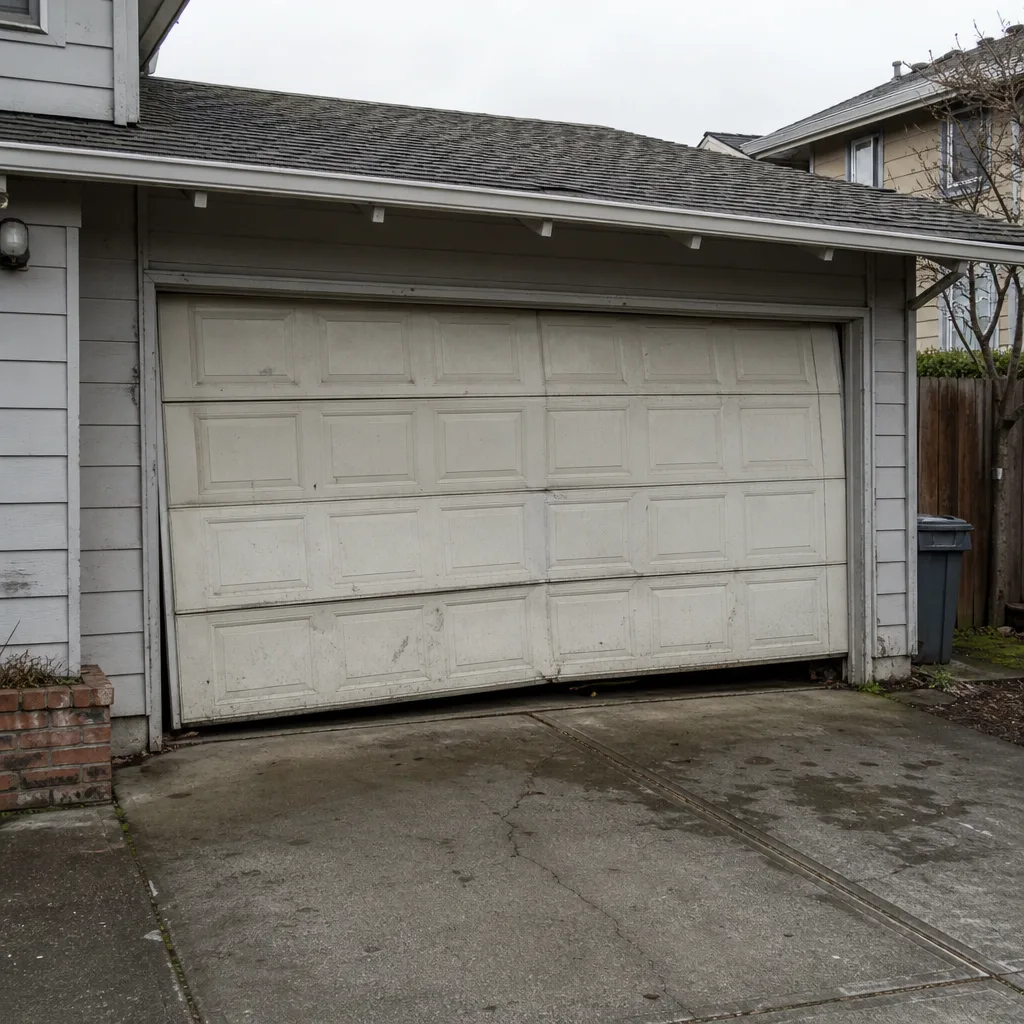 Before
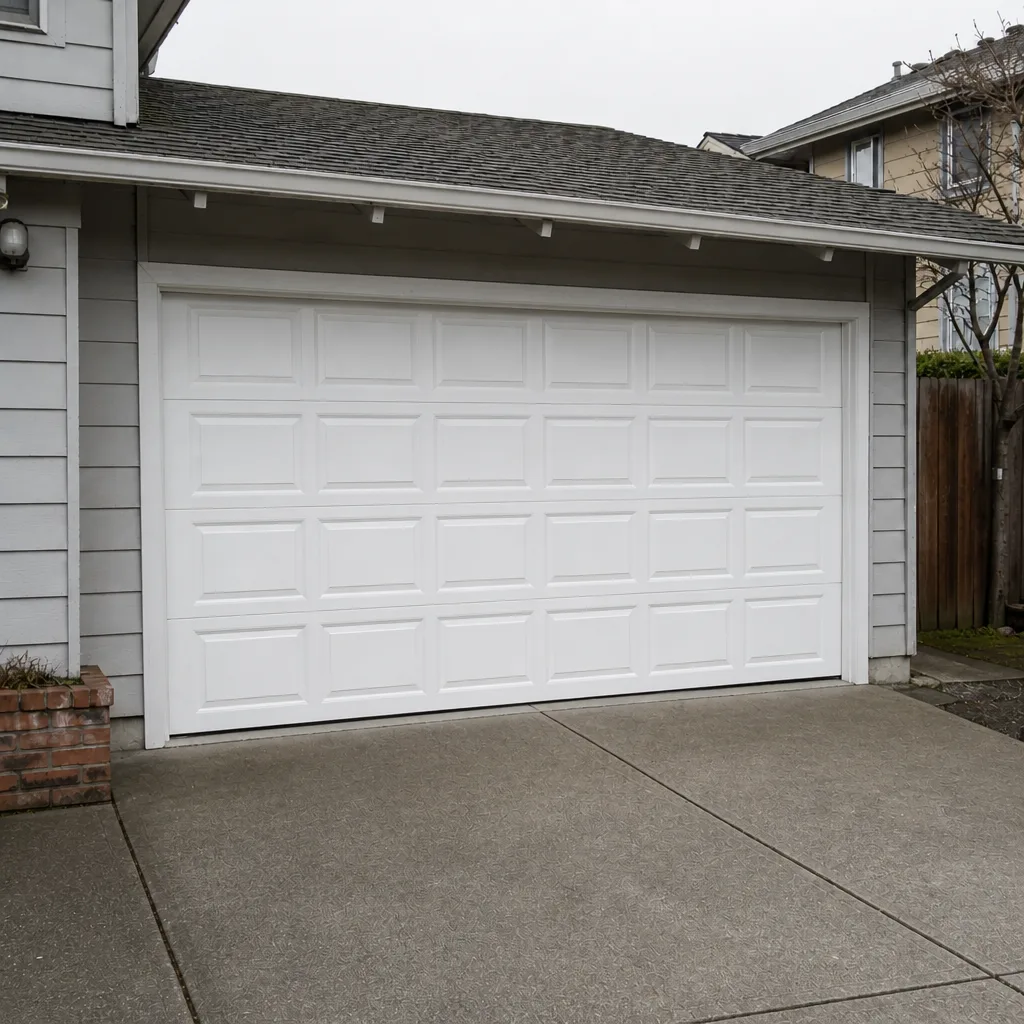 After
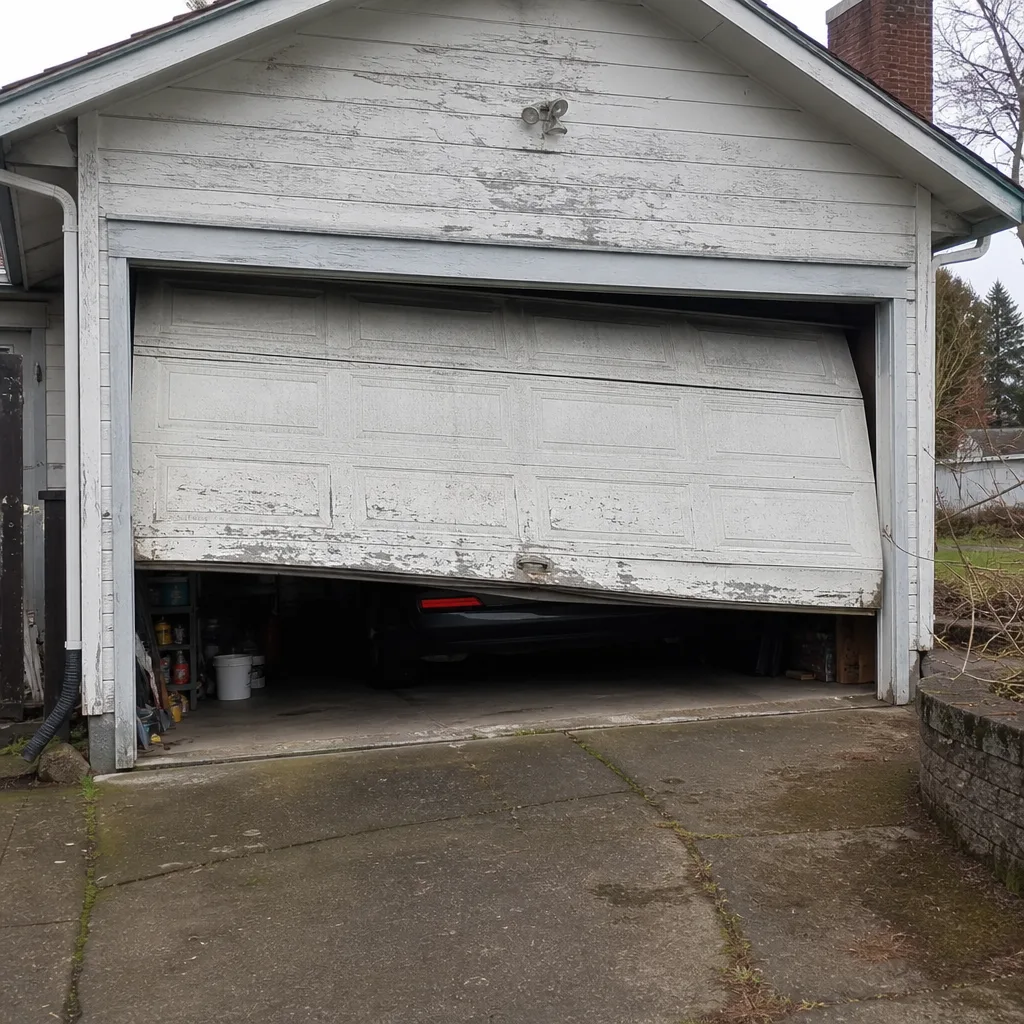 Before
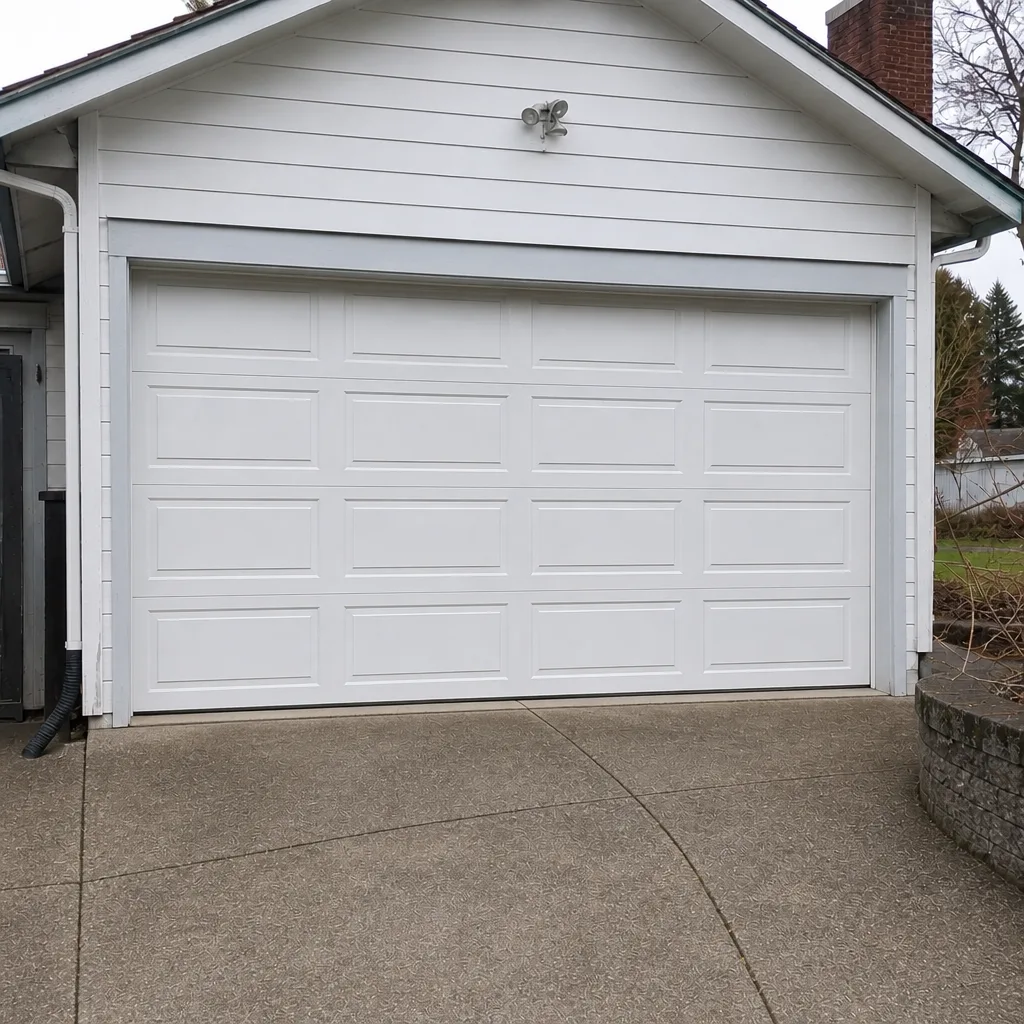 After
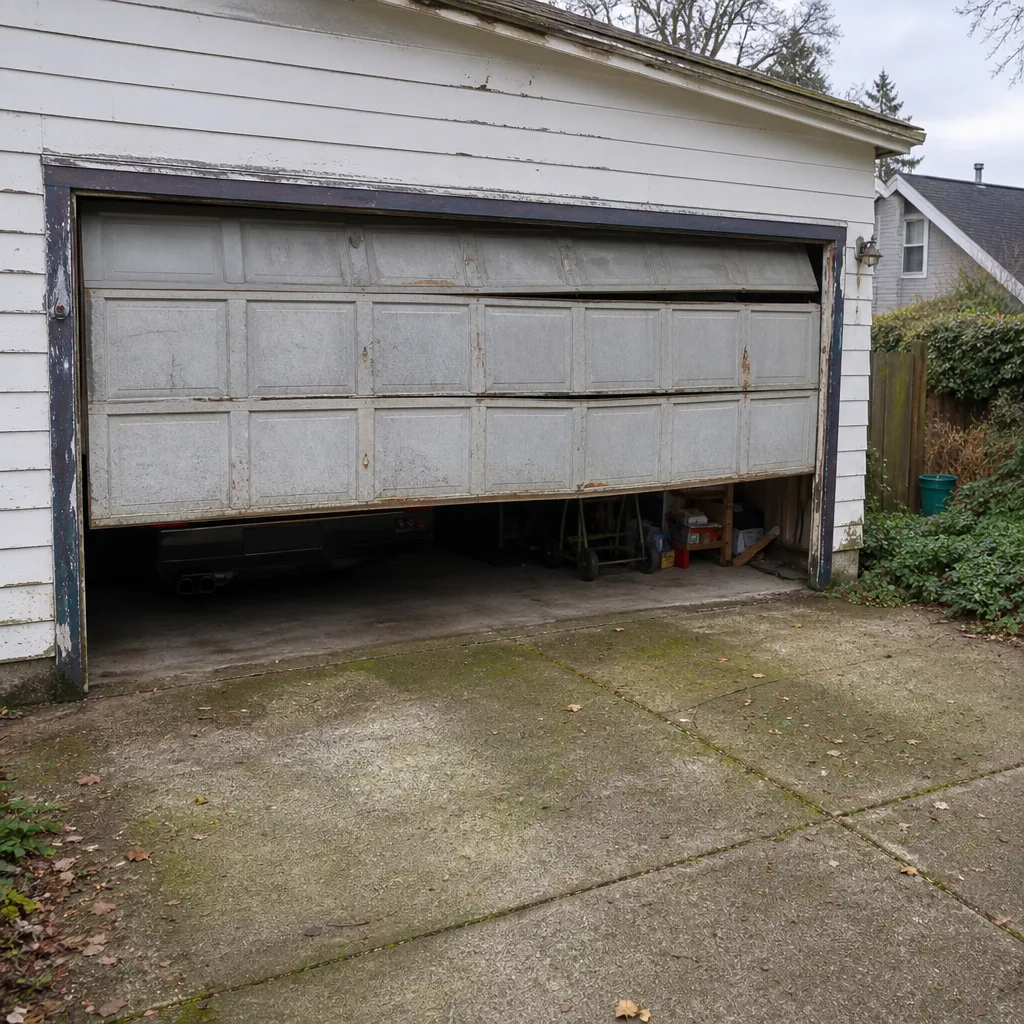 Before
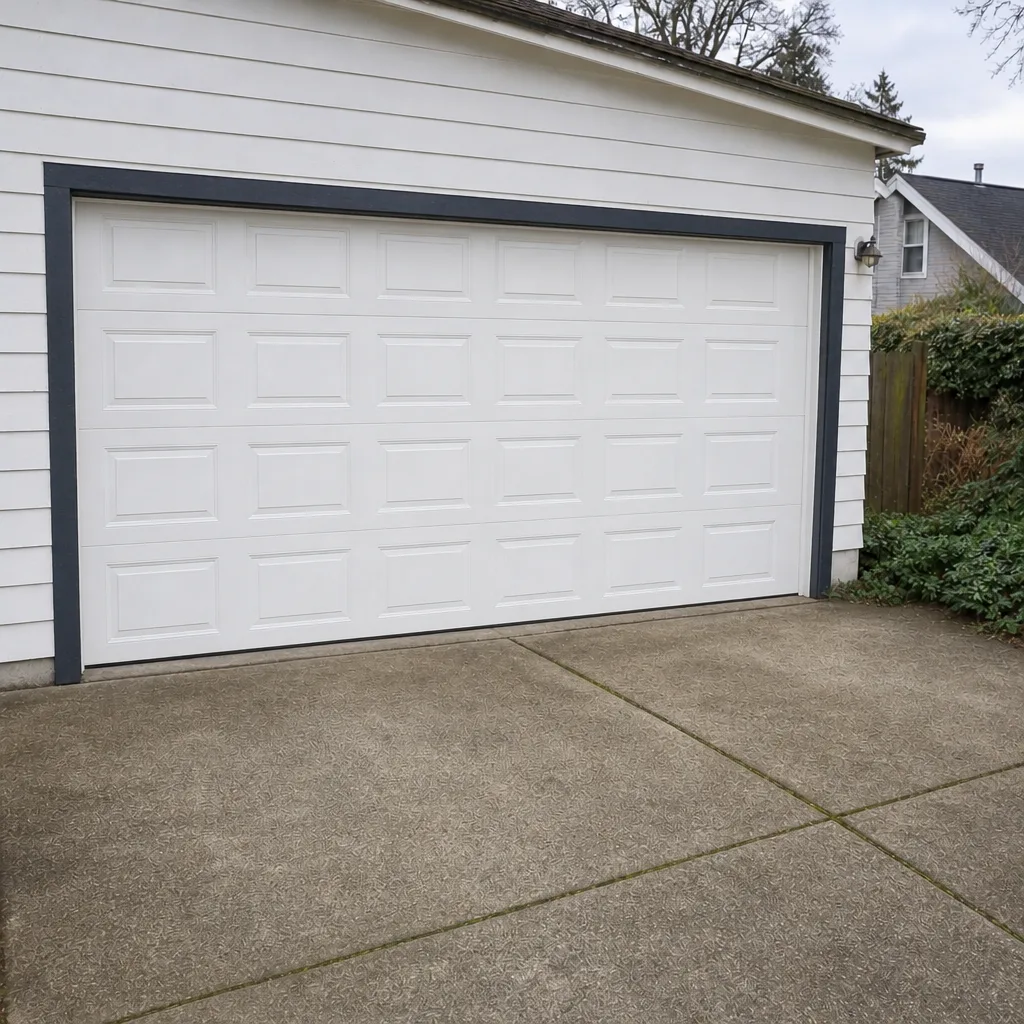 After
When to Call a Professional
Call a professional if any of these apply: the door won’t lift by hand or falls on its own when you release it (spring failure), the door hangs crooked, you see a cable off its drum or a kink in the cable, the opener grinds or trips the breaker, the door reverses or stops partway, or the track is visibly bent or loose. Also call if the door is stuck open and you can’t secure it, especially after a Portland windstorm or during a long outage. Springs and cables are under dangerous tension and shouldn’t be handled by anyone without the right training and tools.
Shoreline Garage Door Service offers free estimates in Portland. Call (866) 942-7741. We answer 24/7. Fast dispatch from 7am to 7pm, Sunday through Friday. A technician can confirm what’s failed and quote the repair before any work begins. If you’re planning a new door or opener instead, or just want your brand checked, reach our team at Shoreline Garage Door Service and we’ll take it from there.
Frequently Asked Questions
Pull the manual release cord hanging from the opener rail, but only after confirming the door is fully closed, then lift the door slowly with both hands. The springs should carry most of the weight. If the door feels heavy or won’t stay up, stop and call us, because that’s a spring problem the manual release can’t solve. Call (866) 942-7741 for an exact diagnosis, estimates are free.
Spring repair is priced per job by a written estimate after the technician confirms what’s actually wrong, so we won’t quote you a number over the phone that could change on the truck. Spring work is one of the most common calls we run in Portland, and it’s a repair, not a replacement, in most cases. Call (866) 942-7741 for a free estimate and a written price before any work starts.
Same-day dispatch is often possible for repair calls. Call (866) 942-7741. We answer 24/7. Fast dispatch from 7am to 7pm, Sunday through Friday. A call outside dispatch hours is booked into the next opening, Sunday through Friday, 7am to 7pm. New installations are scheduled differently and start with a free measure and a written price.
New installations in Portland should account for seismic bracing, and anyone replacing a door should ask about it before ordering. The city’s building department is the authority on what your specific install requires, so check there and ask your contractor directly. Some of the older Portland homes with dry rot at the header need that framing question answered before brackets are chosen.
Close the door fully, engage the opener’s manual lock if it has one, and put a padlock through the track above a roller if you’ll be away. Parking a vehicle against the door works as a temporary barrier. Don’t wedge the door open or use furniture as a prop, and don’t try to hold up a door that won’t stay up on its own. Spring failure is a job for a technician.
For most Portland households, yes. A battery backup opener keeps the door working through an outage at a fraction of the cost of a whole-home generator, and our expertise covers the common smart and standard opener systems from LiftMaster, Chamberlain, Genie, and Craftsman. If your concern is running the furnace and fridge, a generator is the right conversation, and we’ll say so. Call (866) 942-7741 for a free estimate on your specific opener.
No. The written estimate sets the price, and it’s quoted and agreed before any work starts. If the diagnosis reveals additional damage, your technician explains the options and you decide before anything proceeds. That’s the whole point of the estimate. Call (866) 942-7741 and we’ll get a technician out.
For the broader picture of where Portland fits into our service area, see our Portland page.
The Bottom Line
Portland’s garage door emergencies are predictable, which means they’re mostly preventable. Know where your manual release cord is and how to use it safely on a fully closed door. Do a visual walk-around after every windstorm before you touch the button. Ask about seismic bracing when you install a new door. Decide between a battery backup opener and a generator before the next outage, not during it. And when a spring, cable or track gives out, stop operating the door and get a technician out. Preparedness isn’t a product. It’s a handful of steps you take once and hardly think about again until you need them.
Written by the team at Shoreline Garage Door Service, serving Portland since 2016.