
Last updated November 14, 2026
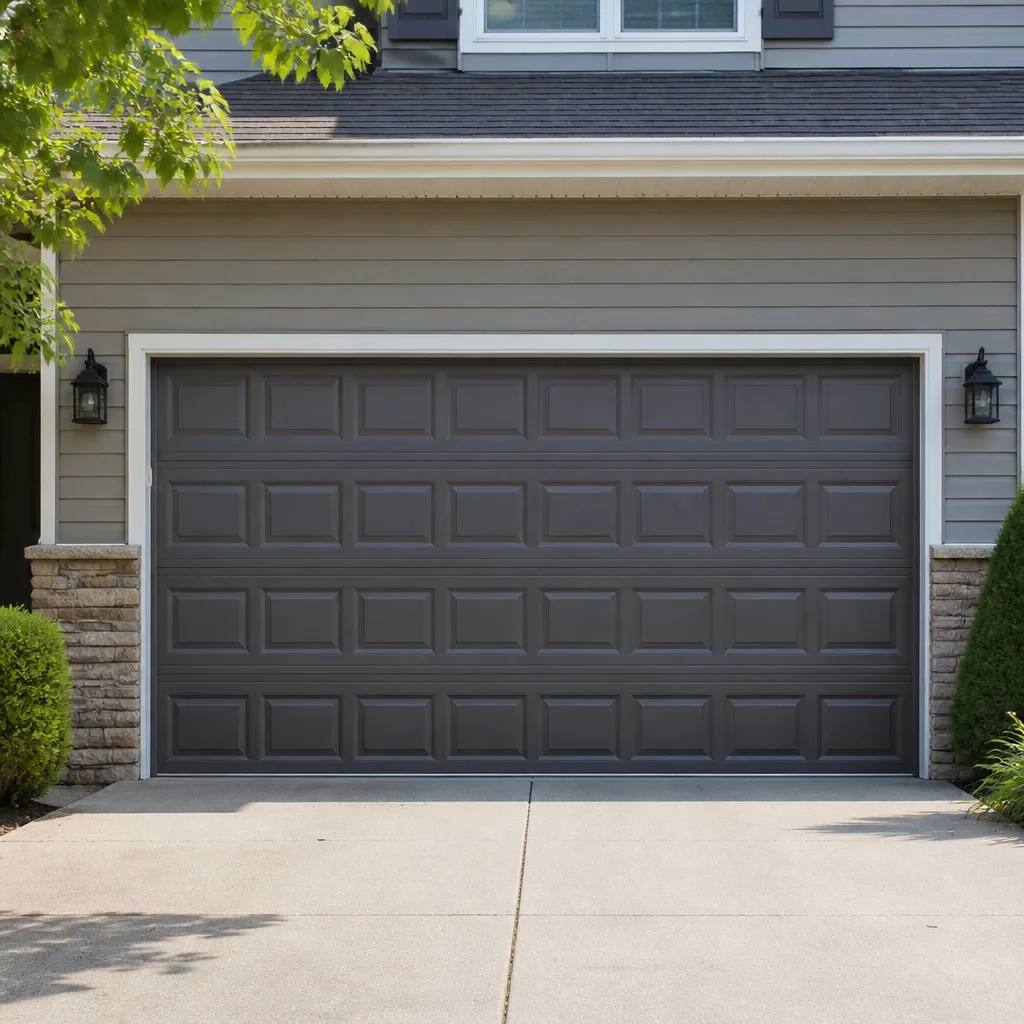 Raised-panel steel
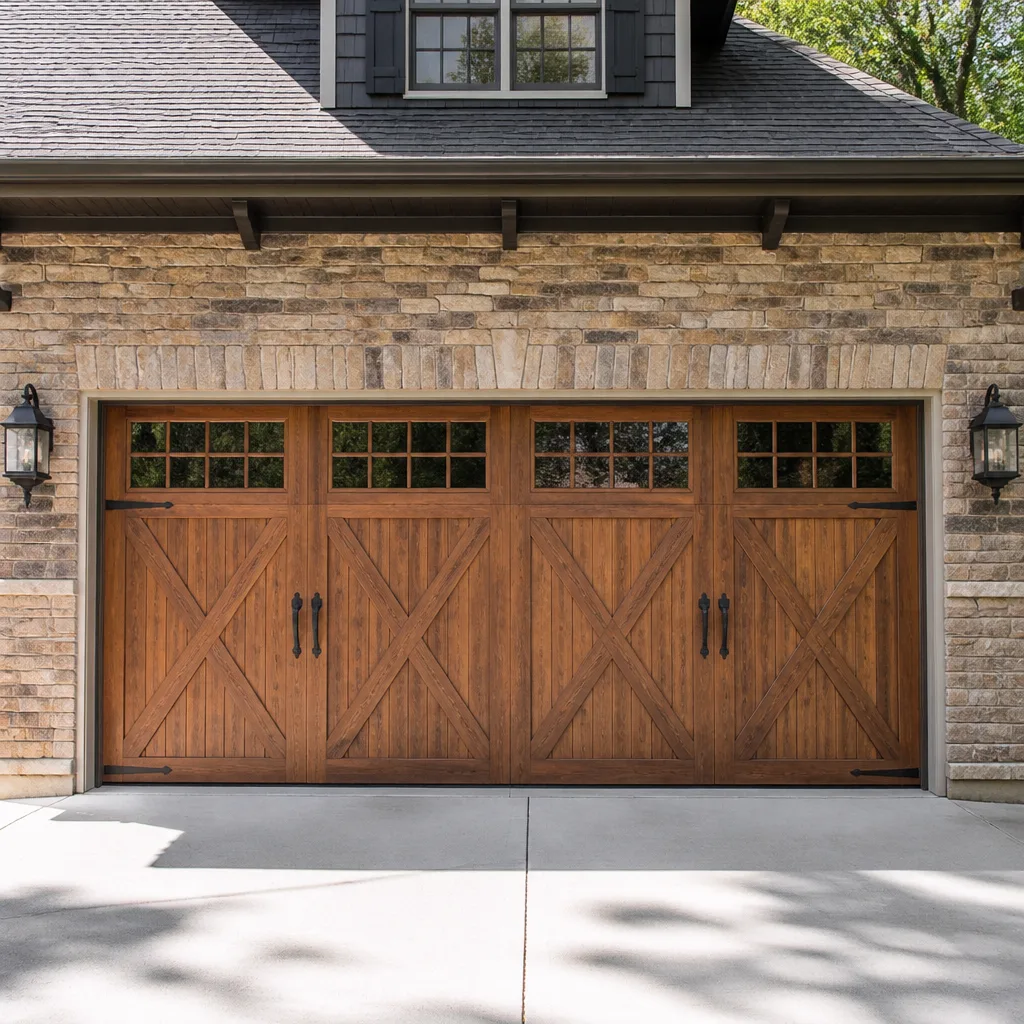 Carriage house
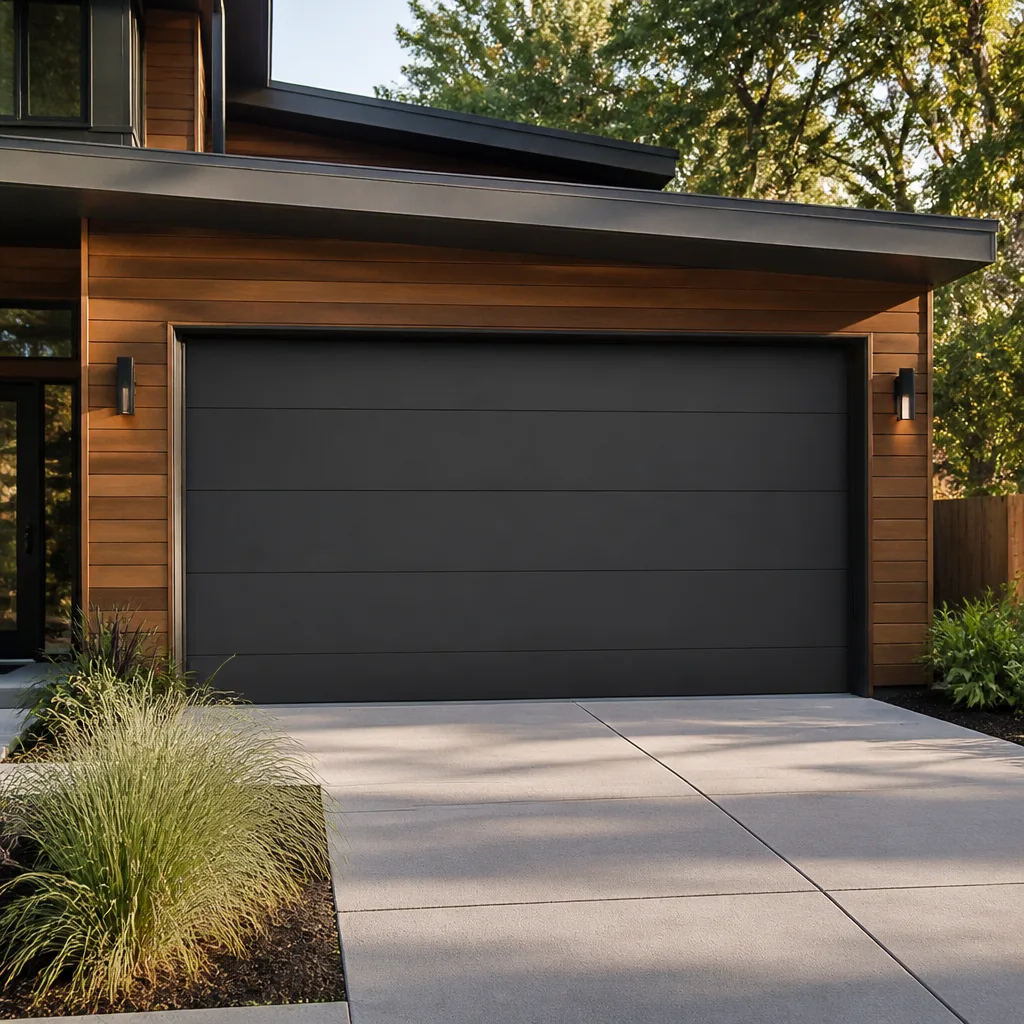 Modern flush
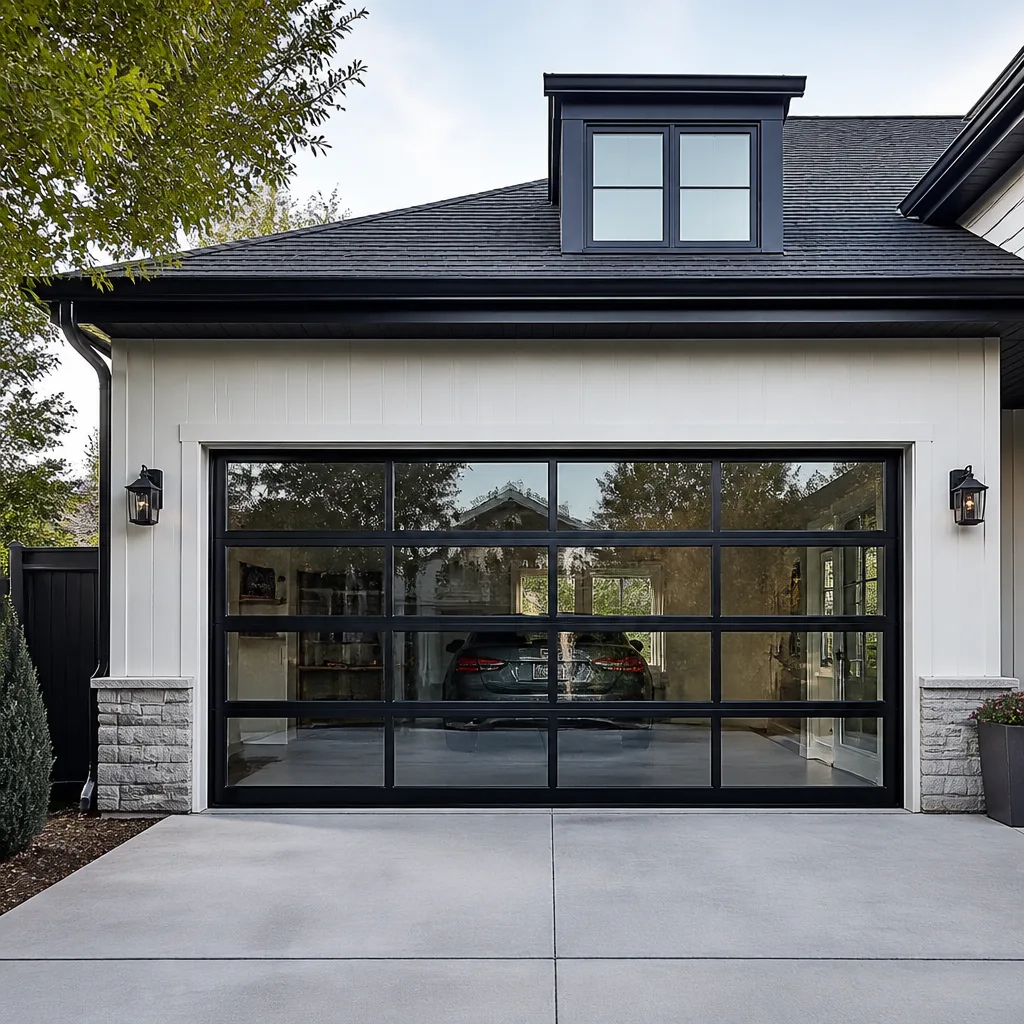 Full-view glass
 LiftMaster openers
 Chamberlain openers
Full 25-point door and opener safety check with every visit - springs, cables, rollers, tracks, and your LiftMaster or Chamberlain opener included
You get a price before we start. It does not change when the truck arrives.
Get your free estimateHow to Hire a Garage Door Contractor in Portland: A Step-by-Step Guide
Most homeowners in Portland shop for a garage door contractor the same way they’d shop for a plumber: get three numbers, pick the middle one. That’s the wrong instinct here. The garage door trade has a wide split between companies that genuinely service the systems already in your home and one-truck operators who stock parts for a single brand and route every call toward a replacement. Your job isn’t to find the cheapest number on a napkin. It’s to find out, before anyone pulls into your driveway, whether they can actually fix what’s hanging above your car. This guide walks through the CCB lookup, the phone questions that reveal real multi-brand competence, the estimate line items that get hidden, and how to get a second opinion without starting over.
Quick Answer
Hiring a garage door contractor in Portland means verifying a current Oregon CCB license with the right endorsements, confirming an insurance certificate that lists the actual business and includes general liability and workers’ compensation, and asking brand-specific questions that a genuine multi-brand shop can answer on the spot. A company that services LiftMaster, Chamberlain, Genie, Raynor, and other major systems will know exactly what spring type and opener model you have in under five minutes on the phone. A company that can’t answer those questions is likely to sell you a new door rather than repair the one you own.
Styles & brands we work with
- Raised-panel steel
- Carriage house
- Modern flush
- Full-view glass
- LiftMaster openers
- Chamberlain openers
Table of Contents
- The First Question to Ask Before You Hire Anyone
- How to Check a Contractor’s Oregon CCB License
- What a Valid Portland Insurance Certificate Should Show
- Five Brand-Specific Questions to Ask Over the Phone
- Portland-Specific Red Flags
- How to Read a Portland Garage Door Estimate Line by Line
- How to Get a Second Opinion Without Starting Over
- Safety Limits: What Never Belongs in a DIY Plan
The First Question to Ask Before You Hire Anyone
Ask a Portland garage door company which opener brands they stock parts for in the truck. Not which brands they “work on.” Not which brands their manufacturer training covers. What’s physically on the truck, right now, ready to install today. The answer tells you everything about whether your door gets fixed this week or whether you get a sales pitch for a full replacement.
This question cuts through the marketing. Every garage door company in Portland will tell you they work on every brand. That’s not the same as having a LiftMaster logic board, a Genie safety sensor, or a Chamberlain belt drive in inventory. A shop that stocks parts across brands can often complete a repair in one visit. A shop that doesn’t has to order the part, come back, and hope the diagnosis holds.
The reason this matters more in Portland than in most metros is the density of small operators. There are plenty of independent technicians running one van and specializing in one or two systems. They’re not dishonest. They’re just not set up to service a door that isn’t in their lane. If your door happens to be outside their lane, the honest technician’s best path forward is often to recommend a replacement because that’s a job they can actually deliver. The homeowner on the other end of the phone usually doesn’t know the difference.
Here at Shoreline Garage Door Service, we’ve built the tool inventory around the eight brands we most often see in Portland homes: LiftMaster, Chamberlain, Genie, Clopay, Amarr, Wayne Dalton, Craftsman, and Raynor. That’s not a sales claim. It’s a diagnostic reality. When we roll onto a driveway in Sellwood or Laurelhurst, the chance that we’re going to need to schedule a return trip for a common part is low.
How to Check a Contractor’s Oregon CCB License
Every contractor performing residential work in Oregon above a low dollar threshold must hold a current license from the Oregon Construction Contractors Board, commonly called the CCB. Asking a company if they’re “licensed and insured” is not enough, because it’s the easiest sentence in the trade to say and the hardest for a homeowner to verify without knowing where to look. The verification takes five minutes and it’s the single best defense against a driveway surprise.
- Get the CCB number in writing. Ask for it before any appointment. A legitimate contractor gives it without hesitation. Write it down.
- Look up the number on the CCB’s public license search. The Oregon CCB maintains an online lookup where you can confirm the license is active, who it’s issued to, and the registered business name.
- Confirm the business name matches. The name on the license should be the same name on the estimate, the invoice, and the truck. If the estimate is from “Smith Garage Doors LLC” and the license is under a different person or a different company, stop and ask why.
- Check the endorsement type. Oregon licenses carry endorsements for different kinds of residential and commercial work. A garage door contractor should have a residential endorsement for the type of work you’re quoting.
- Check for active complaints or disciplinary action. The CCB lookup also shows any active disputes. A single complaint on a long license isn’t necessarily a deal-breaker, but a pattern is a signal.
- Confirm the license is still active on the day work starts. A license can lapse. The lookup is free and takes a minute.
The CCB also administers Oregon’s consumer protection programs for residential work, which means a licensed contractor gives you a formal path to resolve a dispute if something goes wrong. An unlicensed contractor gives you a phone number that may stop being answered. That’s the real value of the lookup: not the paperwork, but the recourse.
What a Valid Portland Insurance Certificate Should Show
Insurance is the second half of the verification. A contractor can be licensed and still not carry adequate insurance for the work. When you ask for a certificate of insurance, look for these items:
- The named insured matches the business name on the estimate. A certificate under a personal name, or under a different company, doesn’t cover the work being done at your home.
- General liability coverage is current. This protects your property if something is damaged during the installation or repair. The certificate should show the coverage is active for the dates of your project.
- Workers’ compensation is in place if the company has employees. This is a big one. If an employee is injured at your house and the company doesn’t carry workers’ comp, the claim can come back to you as the homeowner.
- The certificate is issued by the insurer or their agent, not typed up by the contractor. A real certificate is generated by the carrier and lists the policy numbers.
- The mailing address on the certificate is a real Oregon address. It doesn’t have to be in Portland, but it should be verifiable.
Ask for the certificate before the appointment, not at the door. A company that has its paperwork in order will send it over without a fuss. If a contractor hesitates, hedges, or promises to bring it “when they come out,” that’s an answer too. Move on.
For homeowners focused specifically on repair rather than replacement, the same verification applies. Our garage door repair work in Portland starts with the same license and insurance check a homeowner can do themselves.
Five Brand-Specific Questions to Ask Over the Phone
This is where most homeowners get routed toward the wrong outcome. A generic crew can’t answer these in real time. A brand-familiar shop can. Ask them before you book anything.
- “Do you stock LiftMaster and Chamberlain safety sensors on the truck?” These are the two most common opener brands in Portland homes, and safety sensor failures are one of the most frequent repair calls. A shop that stocks them can complete the repair in one visit.
- “What’s the difference between a Genie screw drive and a belt drive?” Any technician who’s serviced Genie systems knows the answer instantly. A shop that doesn’t stocks parts for Genie knows the words but not the mechanics.
- “Do you service Raynor torsion assemblies?” Raynor is common on Portland homes built in the 1990s and 2000s, and their torsion systems have specific characteristics. If the answer is “we’d need to look at it,” that’s the answer.
- “What brand of door is on the front of the house you serviced last week?” This one is subtle. A multi-brand shop will name one without hesitation because they see them all. A single-brand operator can usually only name their one brand.
- “If my opener is a Craftsman from 2008, can you still service the logic board?” Older openers are the ones that get abandoned. A shop that can service legacy systems is signaling it’s set up for the real installed base in Portland, not just the newest equipment in the catalog.
You don’t need to ask all five. Two or three reveals the answer. The point isn’t to trip up the technician. It’s to confirm, before anyone touches your door, that the person showing up is familiar with the system hanging above your car. For homeowners who specifically have an opener problem, the same logic applies – our garage door opener repair team is set up to handle both legacy drive systems and the newer smart-home compatible platforms.
Portland-Specific Red Flags
Most of the red flags that matter in this trade aren’t visible on a website. They show up in the way a job gets scoped. Here are the ones worth watching for in Portland.
- A quote that doesn’t include the rough opening measurement. A new door installation starts with measuring the actual rough opening – the framed-in width and height where the door will sit. Any contractor who quotes a replacement without measuring the rough opening is quoting off a guess. If they don’t have a number in inches, they don’t have a real quote.
- No headroom question. A garage door needs vertical headroom for the torsion assembly and horizontal room for the tracks. Homes all over Portland have low-clearance garages, especially in bungalows and older homes in Northeast and Southeast. A contractor who never asks about headroom hasn’t done the job they’re quoting.
- The contractor can’t name your spring system type. Torsion and extension springs work differently, fail differently, and cost differently to replace. Any technician servicing your door needs to identify which one you have before quoting. If they can’t tell you over the phone or on the first visit, that’s a training and experience problem.
- They quote a full replacement before they’ve diagnosed the actual problem. Repair-first thinking is rare. A stuck door might be a broken spring, a stripped gear, a failed safety sensor, a mis-tracked roller, or a dying logic board. Each of those has a different fix. A contractor who leads with “you probably need a new door” before diagnosing hasn’t diagnosed.
- They won’t put the written estimate in writing with a line-item breakdown. If the quote is a phone call and a single number, that’s not an estimate. That’s a verbal agreement the contractor’s paperwork can grow into.
- No permit talk, when a permit applies. Most cities require a permit for structural work related to a door replacement or track modification. Portland is no different. Not every job needs one, but a contractor who says “we never pull permits” without knowing what the work involves is signaling how they operate. Ask the city’s building department if you’re unsure whether your project requires one.
How to Read a Portland Garage Door Estimate Line by Line
A garage door estimate should be an itemized document that a homeowner can read without a technical dictionary. The line-item structure is what protects you. When all the price lives in a single number labeled “labor” or “install,” you’ve lost the ability to compare one quote to another or to understand what happens if the scope changes mid-job.
Here’s what a good estimate typically shows:
- Door or section pricing. If the job involves a new door, the model and size appear by name. If it’s a repair, the specific part (spring, roller, hinge, cable) is listed.
- Opener pricing. If a new opener is part of the job, the model is named – LiftMaster, Chamberlain, Genie, Raynor, or whichever system you’re getting – along with track and rail hardware.
- Labor for the specific job. Not “labor.” Labor to install a door is different from labor to install an opener, which is different from labor to service a torsion assembly. The estimate should show which is which.
- Hardware and accessories. Springs, cables, drums, hinges, rollers, weather seals, bottom brackets, and safety sensors all appear as line items if they’re being replaced. A quote that lumps these into “parts” hides what you’re actually paying for.
- Haul-away and disposal. Old doors, springs, and openers take up space. The estimate should say who handles removal and whether there’s cost attached.
- Permit costs, if any apply. If the city requires a permit, the estimate should reflect the cost. If it doesn’t mention permits at all, ask.
- Final total, and what the total covers. The written estimate is the price. Nothing should appear on the final invoice that isn’t on the signed estimate unless you approved the addition in advance.
Our guidance to Portland homeowners is simple: ask for the estimate in writing, in line-item form, before any work starts. The price on the sheet is the price you pay. If a repair scope expands once the technician gets inside the door, the change should be re-quoted and agreed to in writing before the technician begins the new work. That’s not a sales pitch – it’s the only way to avoid an invoice surprise.
For installation work in particular, the schedule matters as much as the price. New door installation is measured, ordered, and scheduled – it’s not a same-day job. That’s why the free measure and the written quote come first, and the installation date comes after. Homeowners comparing quotes across Portland should ask specifically how long the lead time is for the door model they’re considering, and whether the quote includes the rough opening measurement.
How to Get a Second Opinion Without Starting Over
Homeowners ask us for a second opinion in two situations. The first is that the first quote felt high. The second is that the first quote proposed a replacement when the homeowner suspects the door could be repaired. Both are worth the call. The trick is to preserve the diagnostic work that’s already been done so the second company isn’t starting from scratch, and so you can compare apples to apples.
Here’s how to run a clean second opinion:
- Get the first estimate in writing, with line items. If the first contractor won’t put it in writing, that’s the answer to the whole question.
- Write down the specific diagnosis. What did the first technician actually say was wrong? “Spring is broken” and “the logic board is failing” are diagnoses. “The door needs replacing” is not.
- Ask the second contractor to reproduce the diagnosis, not the replacement. The second opinion call shouldn’t lead with “should I replace the door.” It should lead with “here’s what I was told was wrong, does that match what you see?”
- Ask for a diagnosis-first estimate. The second contractor should quote a repair if a repair is available, and a replacement as a separate option. Both numbers side by side, with a stated reason for each.
- Compare line items, not totals. If the two companies are quoting different parts at different costs, that’s where the answer is. Same part at very different cost means someone’s markup is off. Different parts at similar total cost usually means one company is proposing a different scope.
- Ask specifically whether the existing system can be repaired. A repair-first shop will tell you either “yes, here’s the repair” or “no, and here’s the specific reason it can’t be.” A replacement-first shop will tell you “you could repair it, but you’d be better off replacing.”
For brand-specific systems like Raynor or Genie, a second opinion is worth it precisely because the diagnosis matters. A generic technician who doesn’t recognize the specific spring assembly on a Raynor unit may conclude a replacement is necessary when a targeted repair is actually available. On a LiftMaster opener from the 2000s, a failed logic board is a common diagnosis that sometimes comes down to a simpler issue – a safety sensor, a limit switch, or a wall control. Getting a second diagnostic opinion costs you an appointment. Getting routed into a replacement costs you a door.
Safety Limits: What Never Belongs in a DIY Plan
We drive into Portland driveways and see the same thing on a regular basis: a homeowner who has watched a video on YouTube and is about to release the tension on a torsion spring. Please stop and call a trained technician. This is the part of the job where the honest answer is that it isn’t a homeowner repair, and no guide should walk you through it in steps.
The reasons are straightforward. Torsion springs are under significant tension, and releasing that tension incorrectly can cause serious injury in a fraction of a second. The cables, drums, and bottom brackets that ride with a torsion system are also loaded – they’re not decorative. Garage door springs, cables, drums, and bottom brackets are components we recommend only a trained professional touches. The same goes for anything involving the door’s tracks or high-lift hardware. The physical weight of the door is also easy to underestimate; the panels alone can be heavy enough to injure someone who reaches up to catch a falling one.
The right homeowner role in a garage door repair is diagnosis and safety observation, not disassembly. If your door is stuck, sagging, off-track, or making a noise it didn’t make before, the move is to leave it in place, keep people and pets away from the moving parts, and call a repair line. If you have an opener issue, the same rule applies – opener diagnostics on a live circuit carry their own risks, and the wall control isn’t the right tool for testing a logic board. Electrical panel work in general belongs with a licensed electrician, not with a garage door technician and not with a homeowner. Where a repair touches your home’s electrical panel or wiring beyond the dedicated opener circuit, that work should go to an electrician.
The other safety note we give every Portland homeowner: don’t disable the safety sensors or the auto-reverse function to make a door close. Those exist because the door is heavy enough to hurt someone. If the door won’t close because the sensors are failing, that’s a repair call, not a workaround.
Common Mistakes to Avoid
- Hiring on price alone without verifying the CCB. A quote that’s $200 lower from an unlicensed contractor is not a saving – it’s an exposure. The CCB lookup takes five minutes and it’s the single most useful thing you can do before signing anything.
- Accepting a verbal replacement recommendation without a line-item estimate. “You need a new door” is a diagnosis, not a quote. Ask for the specific reason your existing system can’t be repaired and the specific line items on the replacement proposal. The written estimate sets the final price; nothing else does.
- Skipping the rough opening measurement. On a new door, the deployment of the word “measure” matters. A contractor who has measured the rough opening and checked headroom has the information needed to order the right door. A contractor who hasn’t is quoting a guess. This is more common in Portland than you’d think, because the housing stock varies so much block to block.
- Assuming all opener brands are the same. A LiftMaster logic board and a Genie logic board are not interchangeable. A contractor familiar with one is not automatically familiar with the other. If you’ve got a Craftsman opener in a home built in 2003, ask specifically whether the technician services Craftsman drive systems.
- Replacing the door when the opener is the problem. Doors get blamed for opener failures all the time. A heavy-feeling door can be a balance issue, not a door issue. A diagnostic-led repair approach ends with the door balanced and tested, not replaced if it doesn’t need to be.
- Calling out a second contractor without the first diagnosis written down. If the second company walks in with no context, they’ll diagnose from scratch, which is fine but wasteful. Give them the first technician’s diagnosis in writing and ask them to confirm or contradict it.
- Assuming the door is a same-day job. A repair, maybe. A new installation, no. New doors are measured, ordered, and scheduled. Homeowners who expect a new door the same day end up frustrated. Homeowners who expect a written quote and a scheduled installation date are usually satisfied.
See the difference
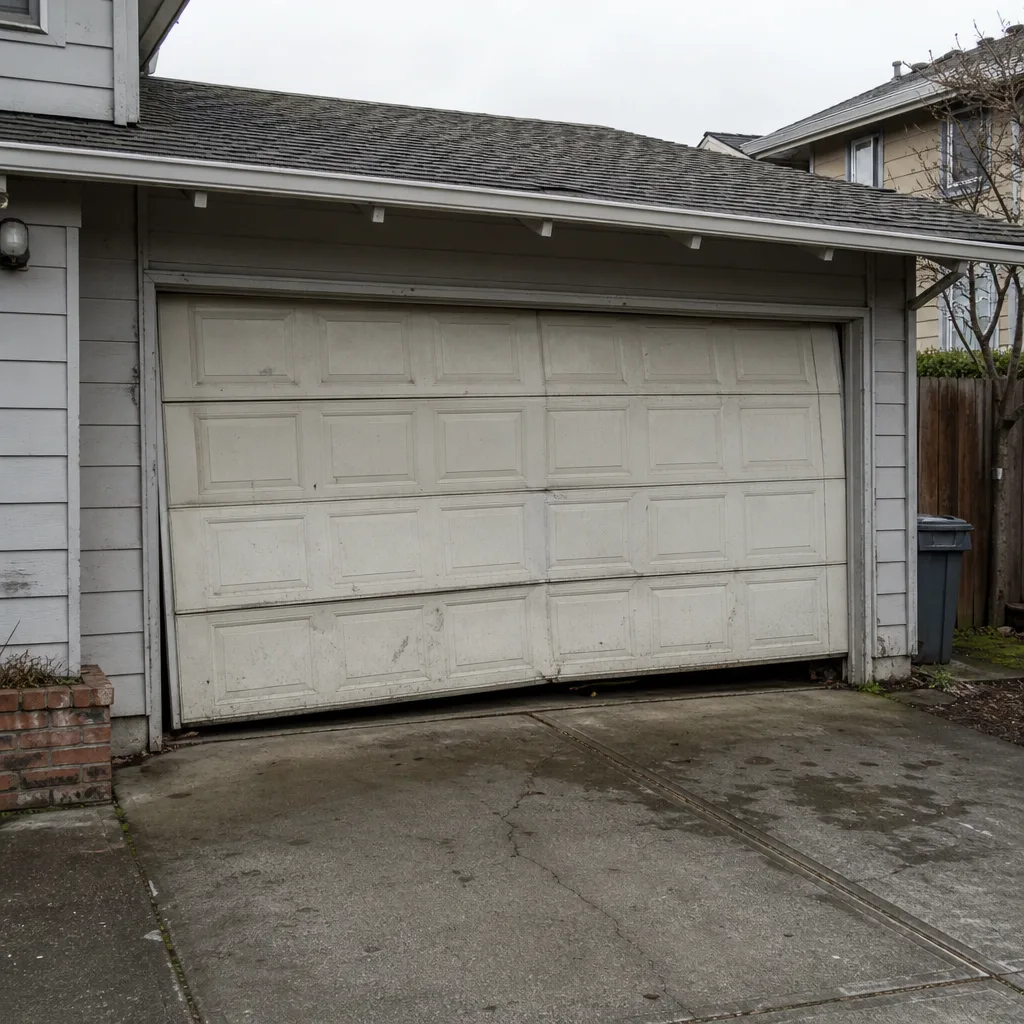 Before
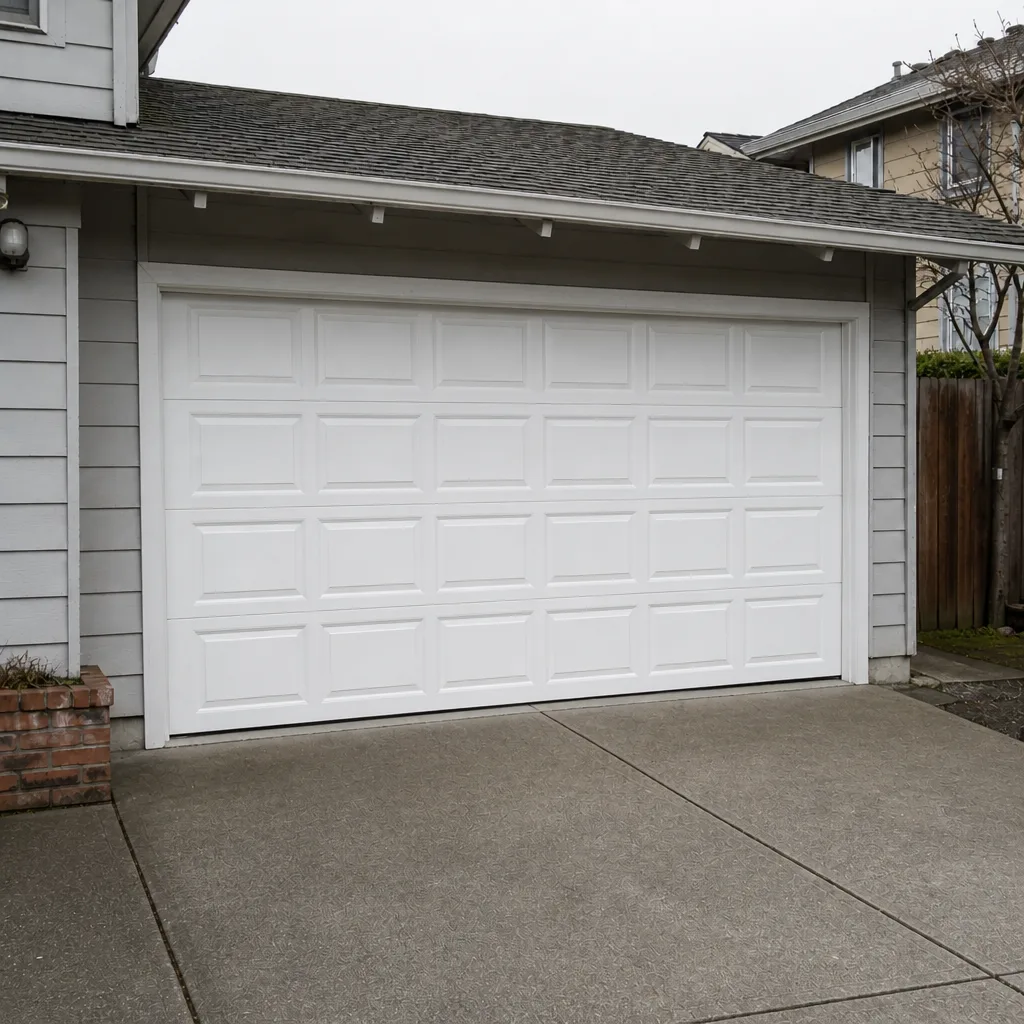 After
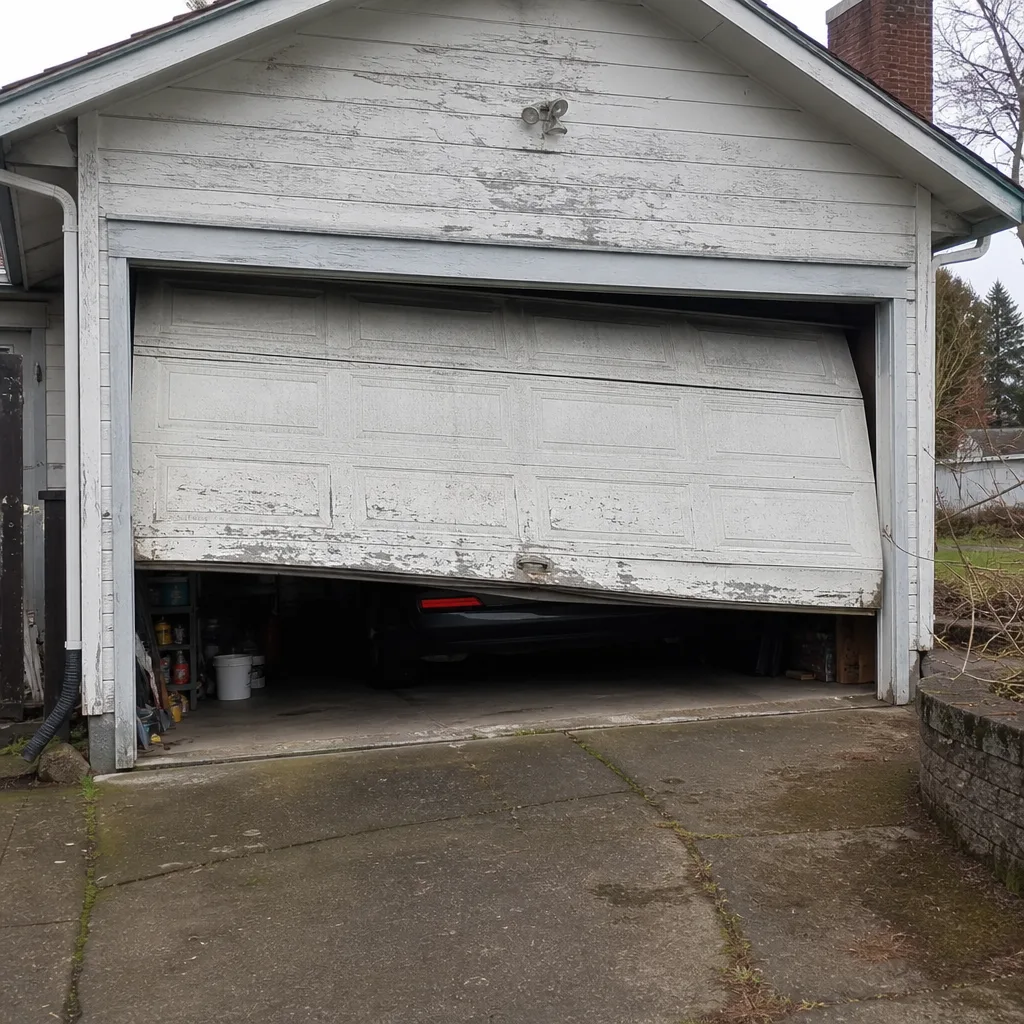 Before
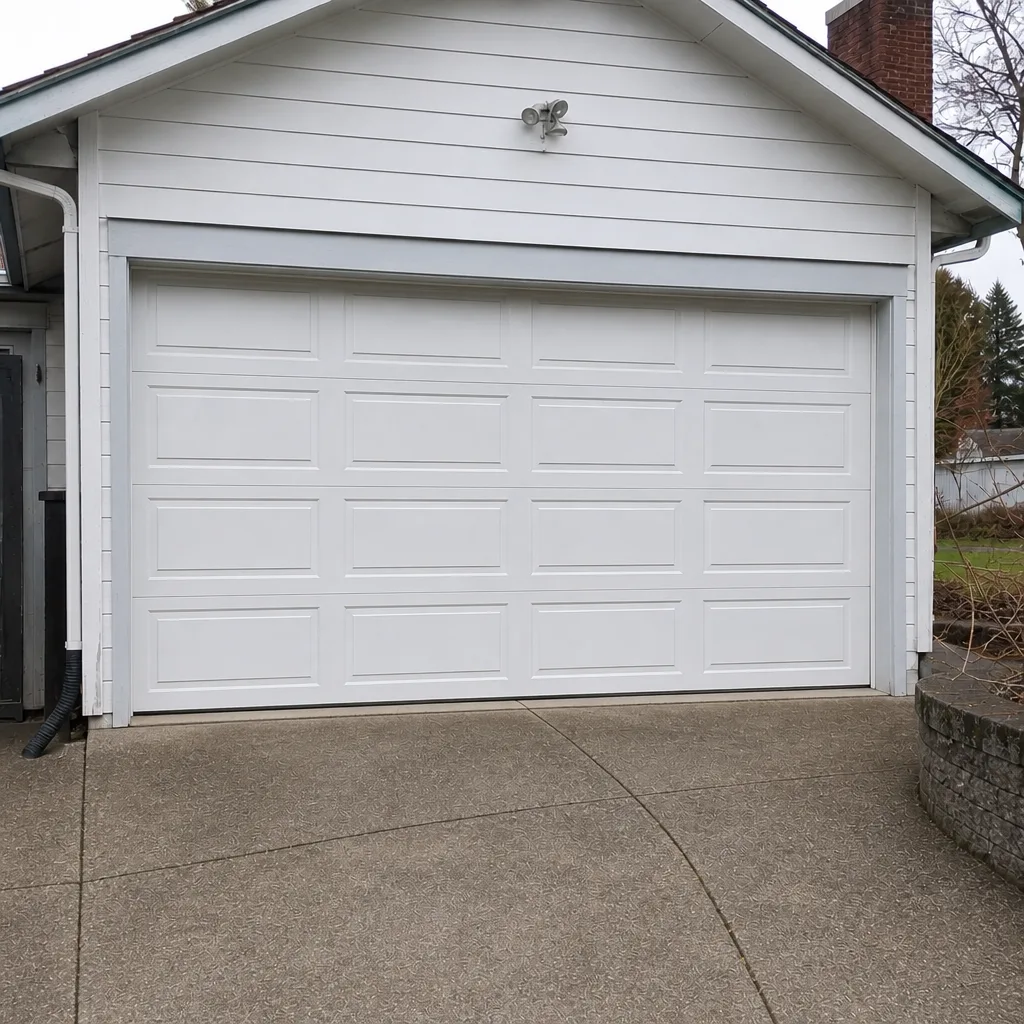 After
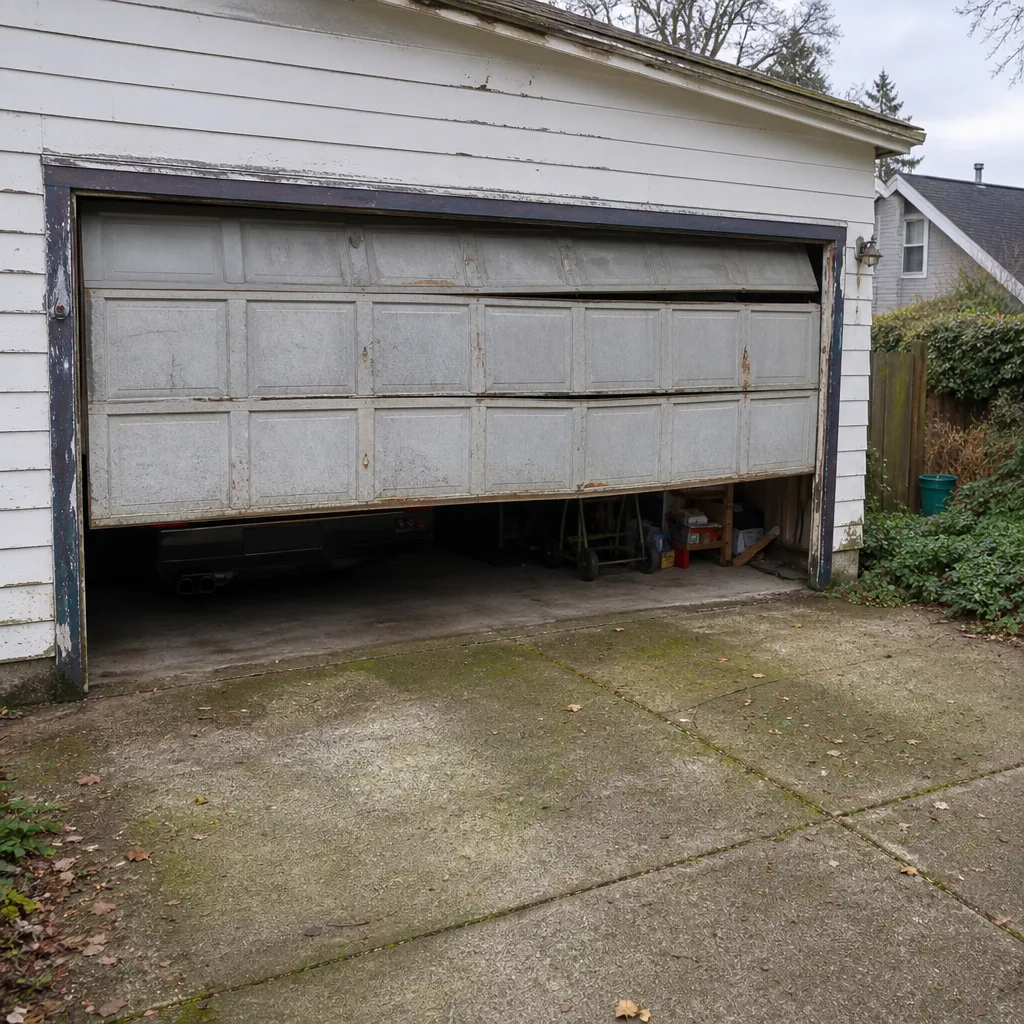 Before
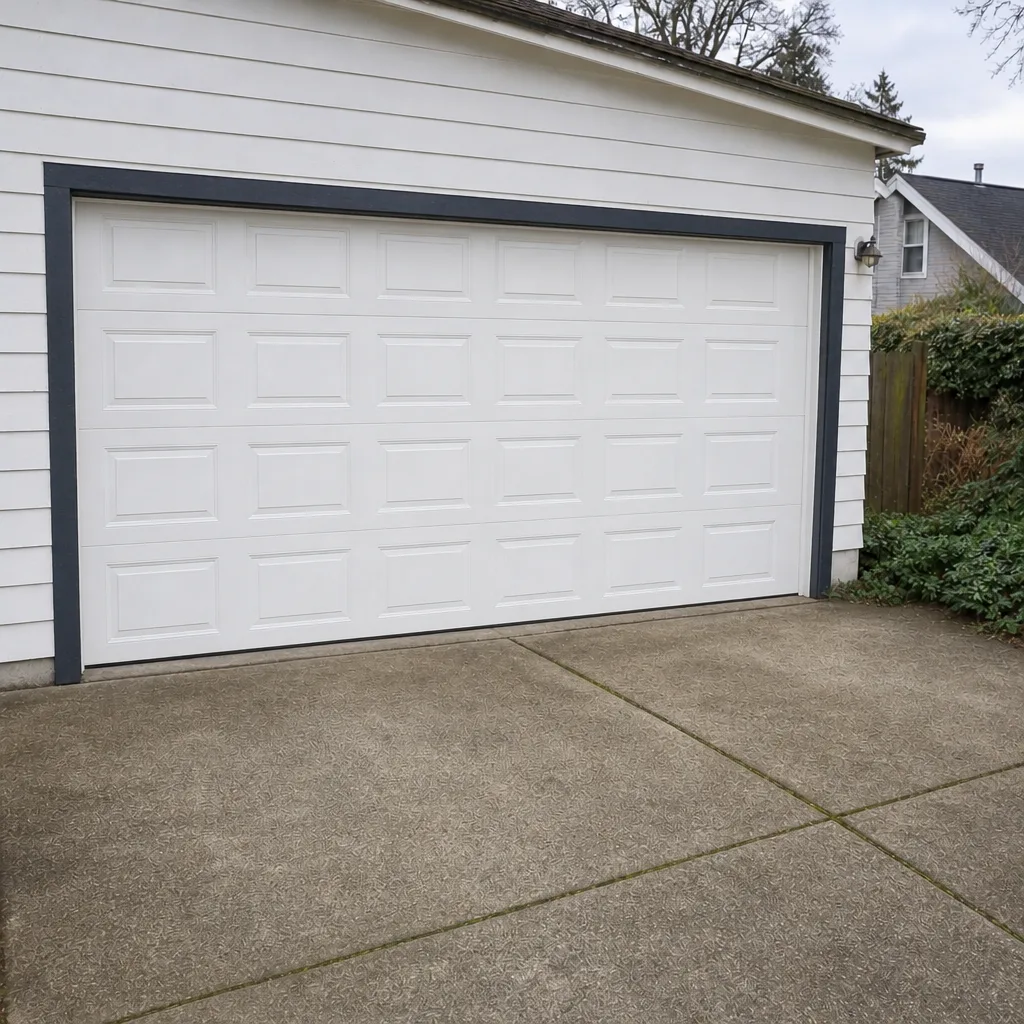 After
When to Call a Professional
If you’re standing in front of a door that won’t close, won’t open, or makes a noise that sounds like something inside is breaking, call a professional. Same with a door that’s come off its track, a spring that’s visibly broken, or an opener that runs but doesn’t lift the door. Those aren’t DIY moments. A stuck door isn’t just an inconvenience – it’s a security problem for the house, and a jammed door under load is a safety problem for anyone nearby. Our recommended sequence is simple: leave the door in place, keep the area clear, and get a trained technician out. For an opener that’s stopped responding, the same logic applies, especially for legacy units where a repair is often possible with the right part.
Shoreline Garage Door Service is a Portland garage door contractor trained on eight major residential brands: LiftMaster, Chamberlain, Genie, Clopay, Amarr, Wayne Dalton, Craftsman, and Raynor. We handle repair, opener-specific diagnostics, and new door installation under one team, so you’re not handed to a subcontractor between the diagnosis and the install. We’re a multi-brand shop in a market full of single-brand operators, which means the answer to your problem isn’t pre-filtered toward replacement. For a free estimate, call (866) 942-7741. We answer 24/7. Fast dispatch from 7am to 7pm, Sunday through Friday.
Frequently Asked Questions
Garage door repair in Portland typically runs from around $180 to $420 depending on the part and the scope, and the estimate you receive before the work starts is the price you pay. Spring replacement, cable replacement, roller and hinge service, and sensor replacement all fall in different price ranges because the parts and labor differ. A matched pair of springs costs about twice the price of one spring because they’re almost always replaced together. Call (866) 942-7741 for an exact quote – estimates are free.
Yes. Residential contractors in Oregon above a low threshold must hold a current Oregon Construction Contractors Board license, and a garage door contractor performing residential work is no exception. Ask for the CCB number before you book anything, look it up on the CCB’s public license search, and confirm the business name on the license matches the name on the estimate. A legitimate contractor gives the number without hesitation. If they don’t have one, that’s the whole conversation.
Usually, yes. LiftMaster, Chamberlain, Genie, Craftsman, and Raynor opener systems each have specific failure points, and many of those are repairable when the technician knows what to look for. A safety sensor failure, a logic board issue, a stripped drive gear, or a limit switch problem doesn’t require a new opener. A diagnostic-led repair approach looks at the specific failure before recommending replacement. If the system genuinely can’t be repaired, we’ll say so and explain why. Call (866) 942-7741 for a diagnostic visit.
A Portland garage door estimate should include itemized parts, the specific door or opener model by name, itemized labor by task, hardware and accessories listed separately, haul-away and disposal, and any permit costs if they apply. The total on the written estimate is the price, and additional work discovered mid-job should be re-quoted and agreed in writing before it starts. If the estimate is a single number labeled “labor” or “install,” ask for the breakdown before signing.
Often, yes. Same-day repair is the norm for common failures like broken springs, off-track doors, and safety sensor issues. Call (866) 942-7741. We answer 24/7. Fast dispatch from 7am to 7pm, Sunday through Friday. A call outside dispatch hours is booked into the next opening, Sunday through Friday, 7am to 7pm. New door installation is a different timeline – that work is measured, ordered, and scheduled, and the free measure and written quote come first.
Get the first contractor’s diagnosis in writing, with a line-item estimate, and ask the second contractor to confirm or contradict that diagnosis specifically rather than starting from scratch. The second opinion should produce a repair quote and, if available, a replacement quote side by side, with the reasoning for each. A multi-brand shop is the better second call here because the technician can independently verify whether the brand-specific system you have is repairable. Call (866) 942-7741 and mention that you’re looking for a second diagnostic opinion.
The Bottom Line
Hiring a garage door contractor in Portland comes down to four verifications before anyone arrives: a current Oregon CCB license, a real insurance certificate that names the business on the estimate, brand-specific questions answered on the phone, and a written line-item estimate that holds the final price. Do those four things and you’ll sidestep the most common problem in this market – being routed toward a replacement when a repair would have been the honest answer. Shoreline Garage Door Service is trained on eight major residential brands and covers repair, opener diagnostics, and installation under one team. Call (866) 942-7741 for a free estimate. We answer 24/7. Fast dispatch from 7am to 7pm, Sunday through Friday.
If you’re just starting your search, take a look at our overview of the Portland area and what it’s like to have a garage door serviced in the city.
Written by the team at Shoreline Garage Door Service, serving Portland since 2016.