
Last updated November 14, 2026
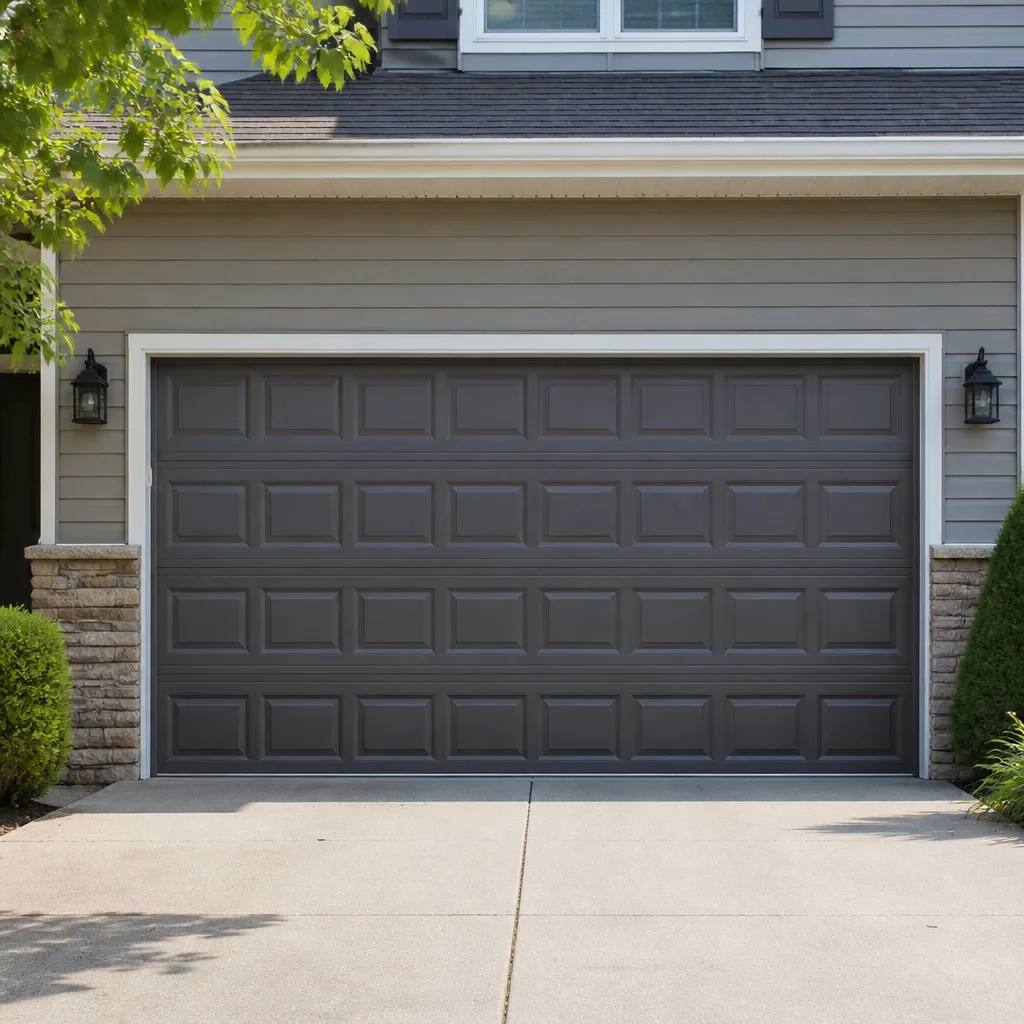 Raised-panel steel
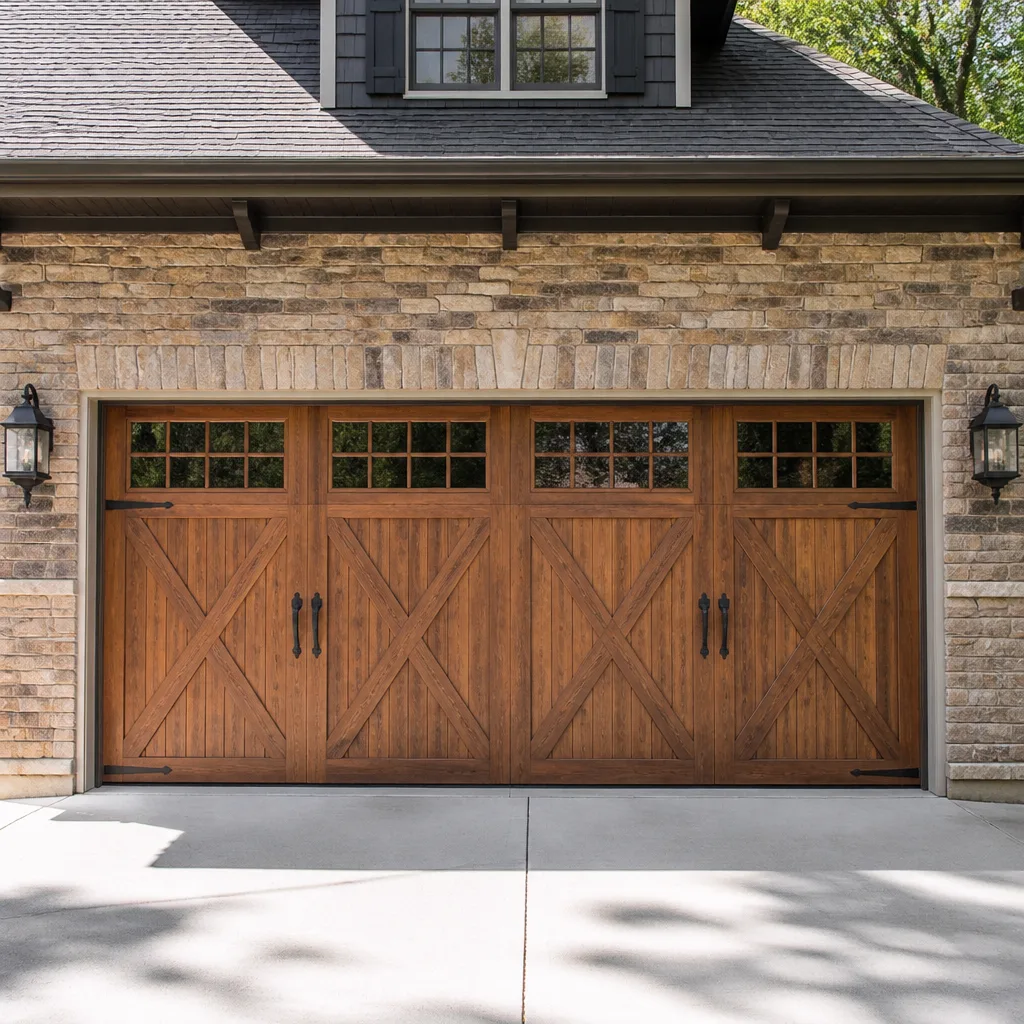 Carriage house
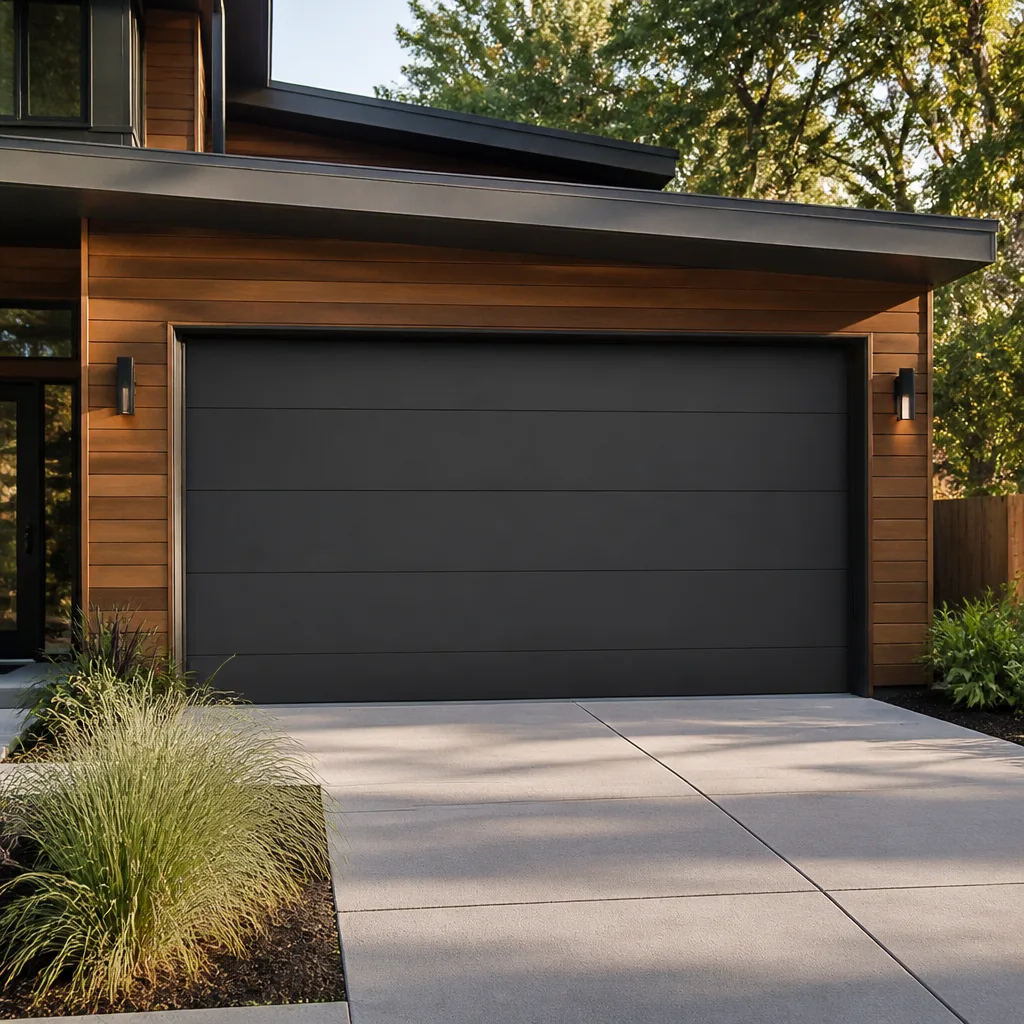 Modern flush
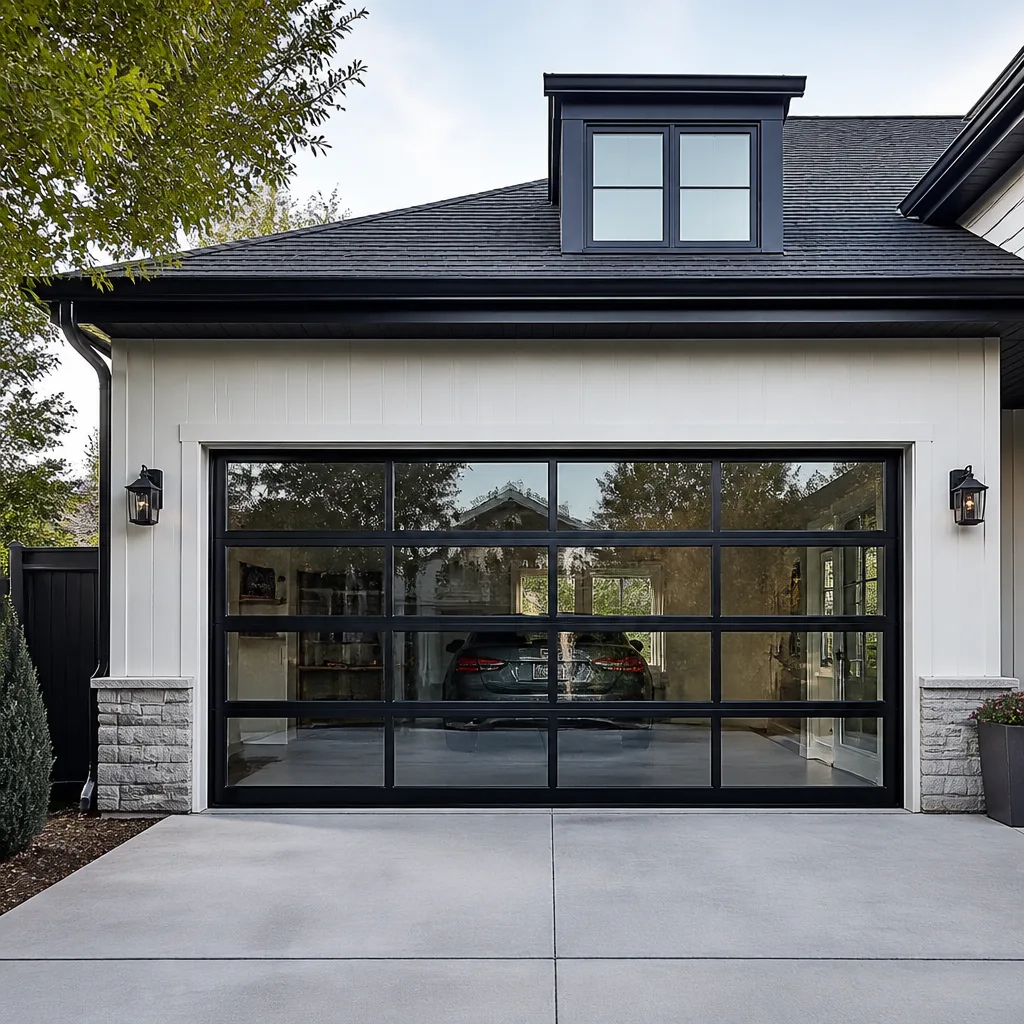 Full-view glass
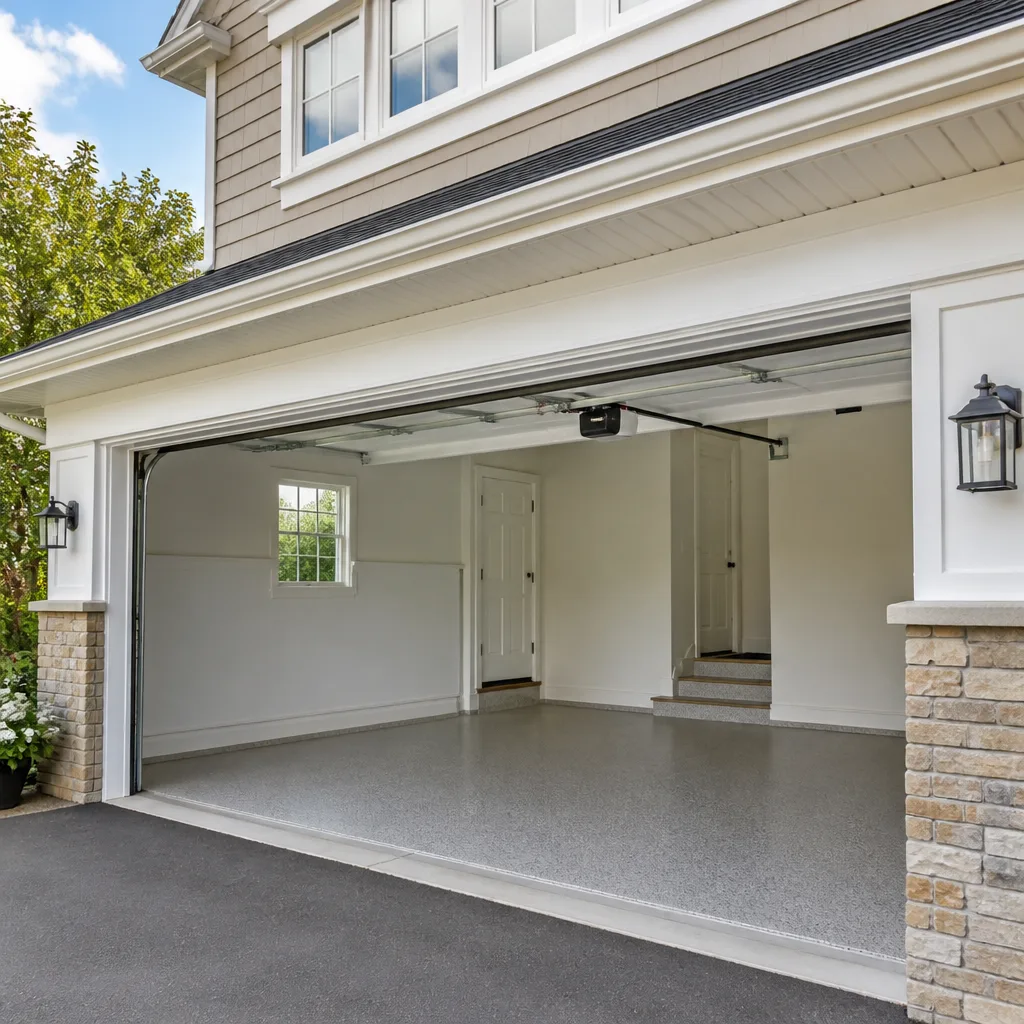 LiftMaster openers
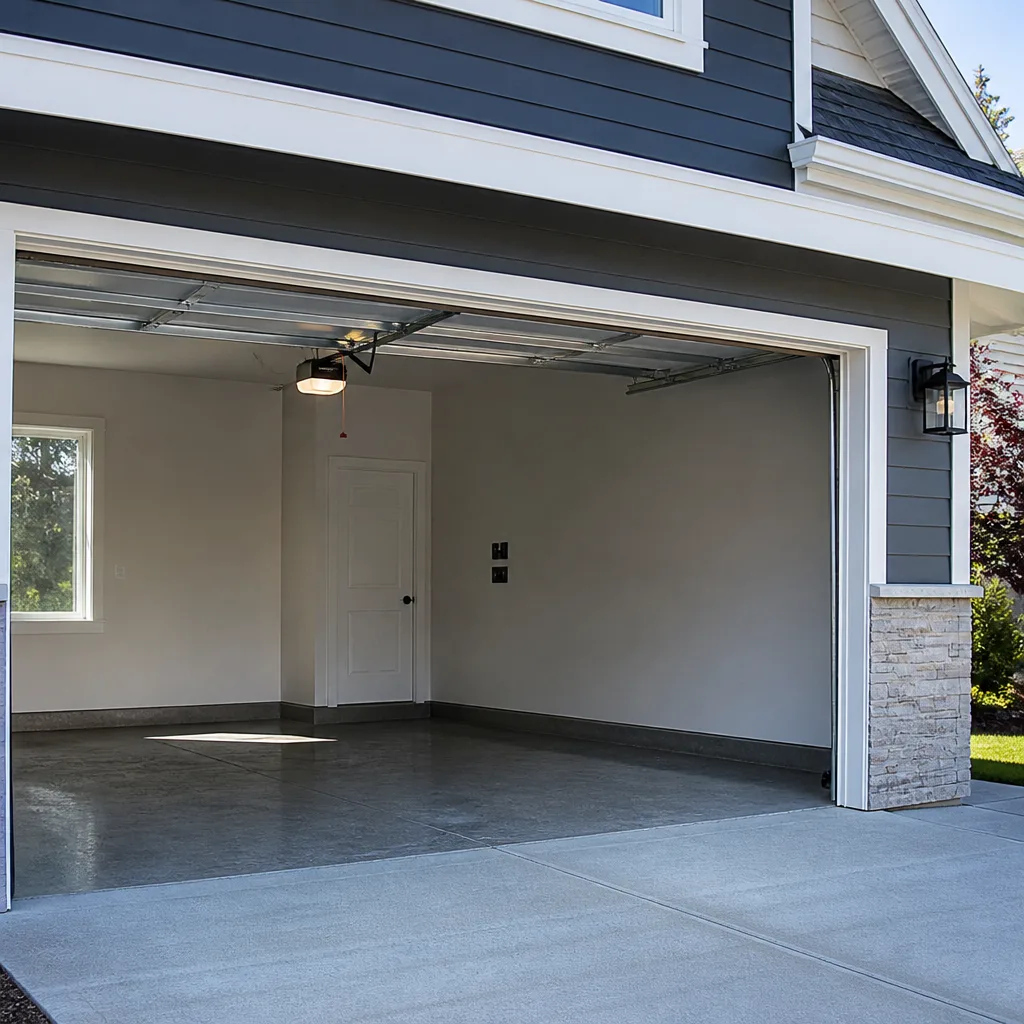 Chamberlain openers
Full 25-point door and opener safety check with every visit - springs, cables, rollers, tracks, and your LiftMaster or Chamberlain opener included
You get a price before we start. It does not change when the truck arrives.
Get your free estimateGarage Door Repair Troubleshooting in Portland: Common Problems and How to Fix Them
A garage door that just slows down in winter isn’t lazy. It’s telling you exactly which component is about to fail, if you know how to read it. Most homeowners in Portland chase the symptom instead of the system: they oil the noisy hinge, replace the remote that stopped working, or tighten whatever looks loose. Meanwhile the real fault keeps building. This guide works backward from what you see and hear to what actually needs fixing, so you can tell a worn roller from a failing torsion spring or a dying logic board before anyone touches a tool. You’ll learn the diagnostic tree we use in the field, which checks are safe to do yourself, and when a problem is a genuine call-a-professional situation.
Styles & brands we work with
- Raised-panel steel
- Carriage house
- Modern flush
- Full-view glass
- LiftMaster openers
- Chamberlain openers
Quick Answer
Start with the symptom, not the part. Noise points to rollers, hinges, or springs; uneven movement points to balance and spring tension; a door that lifts partway and stops usually points to a spring failure or an opener force setting that is cutting out; a door that does nothing at all is usually opener power, sensor, or logic-board related. In Portland, wet winters and steady temperature swings speed up spring corrosion and change tension, so a door that ran fine in October often acts up in January. Read the symptom, narrow the component, then decide whether it’s a safe adjustment or a repair that belongs to a trained technician.
Table of Contents
- Start Here: The Symptom-to-Cause Diagnostic Tree
- Why Portland Winters Make Garage Door Problems Worse
- Noise: What Each Sound Tells You
- Uneven Movement and Balance Problems
- Opener Faults: Electrical, Mechanical, or Logic-Board
- What’s Safe to Fix Yourself, and What Isn’t
- What to Photograph Before a Technician Arrives
- Common Mistakes to Avoid
- When to Call a Professional
- Frequently Asked Questions
Start Here: The Symptom-to-Cause Diagnostic Tree
Every garage door problem starts as a symptom, and almost every symptom maps to a small group of components. Working through this tree, in order, takes about five minutes and saves an hour of guessing. It’s the same first pass our technicians run when they arrive in Portland, because a door that won’t close rarely has the same cause as a door that closes crooked.
Answer these questions in sequence:
- Does the opener make any sound? If you hear the motor hum but the door doesn’t move, suspect a broken spring, a snapped cable, or a disengaged opener. If there’s no sound at all, the opener is losing power, or the logic board isn’t sending a signal.
- Does the door move at all? A door that shifts a few inches and stops cold is usually fighting a spring or balance problem. A door that moves freely by hand but never responds to the remote points to the opener or the sensors.
- Does the door move evenly? Look at the gap along each side as the door rises. A door that travels higher on one side than the other has a cable, drum, or spring issue – not a track issue, though the track will often look like the culprit.
- Is the door level when it’s closed? A visible gap at the bottom on one side tells you the door is out of balance. That’s a spring or cable job, not something a shim will fix.
- Is the safety sensor light steady or blinking? A blinking sensor usually means misalignment or an obstruction, not a broken door. A steady amber light on one side and no light on the other points to the sensor’s wiring.
- Was the problem sudden or gradual? Sudden failures are usually mechanical – springs, cables, a failed opener. Gradual ones are usually wear – rollers, hinges, opener force settings drifting.
Sudden failure and gradual failure get different repair paths, and knowing which one you’re in makes a real difference. A gradual slowdown over several weeks almost always traces back to a worn component that finally gave out, and the fix is usually simple once the part is identified. That’s the repair-first approach: find the actual failure, fix it, and leave the rest of the system alone. You can read more about our specific process on our garage door repair page.
Why Portland Winters Make Garage Door Problems Worse
Garage door hardware doesn’t sit in a bubble, and in Portland it sits in one of the wetter climates in the country for a long stretch of the year. That matters for springs and rollers far more than most homeowners realize until a door stops working mid-winter. Two things happen at once: moisture gets into hardware that was never designed to sit wet, and temperature swings change how the torsion spring behaves.
On the corrosion side, torsion springs, cables, and the bearing plates they ride on are bare steel. Steel and months of damp air don’t get along. The oxidation that forms on a spring’s coils creates friction on the very spots that need to twist smoothly, and that friction adds stress to a component already working near its limit. Rollers seize the same way. A nylon roller that won’t spin freely will drag the door through the whole cycle, and that drag shows up as a door that “feels heavy” or “sticks” partway up. It’s not a motor problem – it’s corroded bearings.
On the temperature side, cold contracts steel and tightens the torsion spring’s working characteristics. A door balanced in a mild month can feel different in a cold snap, and the opener has to push harder to move it. That extra load is usually what tips a spring that was already near the end of its life over the edge. And because Portland gets plenty of rapid swings in the colder months – mild one week, early freezes the next – the stress on the spring isn’t steady. It’s a series of small shocks.
What that means for a homeowner is simple: winter is when spring and cable failures cluster. If your door starts acting sluggish as the colder months arrive, don’t wait for a total failure. Keep an eye on the door, listen to what it does as the season changes, and get a technician on it before a slow problem becomes a door stuck halfway down. A Shoreline Garage Door Service technician will diagnose the actual component, not guess.
Noise: What Each Sound Tells You
Noise is the cheapest diagnostic tool you have, and most homeowners tune it out until it’s loud enough to bother the neighbors. Each type of sound points to a specific component, and the differences are distinct enough that you can isolate the problem from the driveway.
Listen for the specific quality of the sound:
- A grinding, gravel-like sound as the door moves. This points to worn rollers or dry hinges. Rollers that have lost their bearings or dried out their lubricant grind against the track. If the sound is on one side, look at the rollers on that side first.
- A sharp squeal at the start of movement. A squeal that appears in the first second the door starts moving is often a dry torsion spring or a dry bearing plate. The spring’s coils need to slide past each other, and when the lubricant is gone, they make a squeal. This is often the easiest repair to fix early.
- A metallic clank or snap. This is the sound of loose hardware – a hinge that’s worked its bolts loose, or a bracket that’s coming free. It’s less urgent than a spring failure but it can turn into one.
- A single loud bang from the garage. This is the classic sound of a torsion spring breaking. If you hear it, don’t run to test the door. The spring is under enormous tension, and the door has likely lost its counterbalance. Call a technician.
- A rattling or buzzing from the opener head. That’s inside the opener, not the door. It usually points to a gear or a worn internal component on the opener itself, which is a different job.
- A door that’s silent but slow. No noise but sluggish movement is a balance or spring tension issue. The door’s weight isn’t being carried properly anymore.
One of the key things we’ve learned in Portland is that noise complaints are often the earliest signal of each of the other problems in this guide. A rolled door that squeals in November is often a spring that fails in February. Fixing it when it’s a squeal is a small job; fixing it later means a much bigger one.
Uneven Movement and Balance Problems
A garage door that travels crooked is a balance problem, and balance problems come from just a few sources. Before you look at the door itself, understand what “balanced” means. A properly balanced door can be raised halfway and left there by hand, and it stays put. If you lift it by hand and it drops, or if it wants to fall back down as soon as you let go, the counterbalance is off.
Uneven movement usually traces to one of these:
- A stretched or failing spring on one side. Torsion springs sit on a shaft across the top of the door, and extension springs run along the side tracks. If one is weaker than the other, the door travels crooked. Springs come in pairs on the doors that use two, and a technician will usually replace a pair together rather than one – a mismatched pair will just fail a few months apart and cost you another service visit.
- A slack or frayed cable. Cables wrap around drums at the door’s top corners. A cable that’s slipped off the drum or frayed will let one side drop. Cables are under tension like the springs and are not a safe DIY component.
- A bent or misaligned track. Tracks take hits, particularly in garages where a bike or a car nudges them. A track that’s out of alignment makes the door bind on one side, and the door looks unbalanced even when the springs are fine.
- A worn roller that’s stopped rotating. A seized roller drags, and the drag shows up as uneven movement because the door is fighting it on that side.
The single most important thing to know here is that springs and cables are the two most dangerous parts of a garage door system. A torsion spring carries energy that can cause serious injury if released unexpectedly, and a cable under tension can snap back. This is the one part of the troubleshooting process where the right move is to stop and call someone trained to handle it. A licensed technician will rebalance the door, replace the correct parts, and test the door through a full cycle before finishing.
If the door runs on a Genie or a LiftMaster opener, the opener’s force setting can sometimes mask a balance problem temporarily by pushing harder. But it’s covering for mechanics that need fixing. A garage door opener repair only helps if the opener is the problem – otherwise you’ll be paying for the same failure twice.
Opener Faults: Electrical, Mechanical, or Logic-Board
When the door doesn’t respond, most homeowners assume the opener is dead. In our experience, a non-responsive opener is one of three very different failures, and each opens a different repair path with different costs. Telling them apart before calling saves the technician a diagnostic step and saves you from a replacement bid you may not need.
Start with the simplest test, then work down the list:
- Electrical. Check the outlet the opener is plugged into. Test with a lamp or a phone charger – many garage outlets are on a GFCI circuit, and a tripped GFCI in the garage kills the opener entirely. Also look at the wall switch. If the wall switch works but the remote doesn’t, you have a remote problem, not a power problem.
- Safety sensors. Both sensors need to see each other and the door won’t close if they’re blocked, misaligned, or one has a dead bulb. Look for the small LED on each sensor. If one is dark and the other is lit, or either is flickering, start there. This is one of the few things you can safely fix yourself.
- Mechanical. If the opener hums, grinds, or moves the door a few inches before quitting, the problem is usually in the opener’s drive train – a worn gear, a stripped sprocket, or a worn limit switch. This is a repair for the drive system, not a logic-board replacement.
- Logic board. If the opener has power, the sensors are clean and aligned, and the unit doesn’t respond to any input at all – not the wall switch, not the remote – the controller board inside the unit may be the failure. This is common on older units and is a different repair path than a mechanical fault.
Brand matters here, and it’s why we keep up on the major systems. A LiftMaster and a Chamberlain share a lot of design DNA, and a Genie and a Craftsman each have their own quirks in how the logic board and limit switches behave. Being familiar with those platforms means we can usually tell you on the first visit which of the three failure categories you’re in, rather than replacing parts one at a time to find out. Craftsman and Genie units in older Portland homes are a regular sight, and so are newer smart-home LiftMaster and Chamberlain units in recently built or updated houses.
If the opener is genuinely at the end of its life, replacing it is a different job than repairing it. We handle both, and we’ll tell you which one makes sense instead of defaulting to a new purchase.
What’s Safe to Fix Yourself, and What Isn’t
There are genuine DIY fixes on a garage door, and then there are jobs where attempting it is a real safety risk. Knowing the difference is the most valuable skill in this guide. Below is the line, drawn where a trained technician would draw it.
Safe to do yourself:
- Lubrication. A silicone-based lubricant on the rollers, hinges, and spring coils will quiet a lot of noise and slow corrosion. Don’t use heavy grease, and don’t over-apply. Wipe excess.
- Sensor alignment. If the sensors are aimed wrong, or something is blocking them, you can nudge them back into alignment and clear the obstruction. Make sure both lenses are clean.
- Remote reprogramming. A remote that stops working after a battery change or a power outage usually just needs reprogramming. The manual for your specific opener has the sequence, and it varies by brand.
- Visual inspection. A flashlight and five minutes once a month – look for frayed cables, loose hinges, a door that isn’t level, or a spring that looks corroded – will catch most problems before they become expensive.
Not safe to do yourself:
- Torsion springs and cable drums. These carry the full weight of the door under extreme tension. Releasing one the wrong way can cause serious injury. A trained technician has the right tools and the right sequence, and it’s not a job to learn from a video.
- Cable replacement. Same tension problem, same risk. A cable that snaps back can injure hands and eyes.
- Track realignment beyond a minor nudge. A bent track needs proper adjustment, and gaining leverage in the wrong spot can bend the door panel.
- Opener electrical work. Anything inside the opener’s housing, or anything that requires new wiring, belongs to a technician.
If you’re not sure which side of the line a job falls on, that’s the answer – call a technician and describe it. We’d much rather tell you it’s a five-minute fix over the phone than have you learn it the hard way. If you’re in Portland, you can also check our Portland service page to see what we cover.
What to Photograph Before a Technician Arrives
If you’ve decided a problem needs a technician, the single most useful thing you can do is document it before they arrive. It cuts diagnostic time, makes the visit more efficient, and – just as important – it gives you a record that protects you from being upsold on a part your door doesn’t need. Most homeowners skip this step, and then spend the first ten minutes of a visit describing the problem in words that don’t quite fit.
Here’s what to capture on your phone:
- A photo of the whole door, from outside, straight on. A crooked door is visible in a straight-on photo, and it tells the technician instantly whether you’re dealing with balance or a track issue.
- A photo of the opener head, with the brand and model label showing. That label tells the technician the exact platform and generation, which changes the repair path. LiftMaster, Chamberlain, Genie, and Craftsman units each have their own label conventions.
- A photo of the torsion spring, if it’s visible, or the extension springs along the side tracks. Corrosion shows up clearly in photos, as do snapped springs, and it lets the technician know what parts to bring.
- A photo of the track where the door is binding. If you’ve noticed the door hanging up on one side, get a close-up of that section of track and the rollers in it.
- A short video of the door in motion. A 15-second clip of the door opening or failing to open is worth a page of description. It shows the exact point of failure, the level of travel, and any sound.
- A photo of the sensor lights. Shot at eye level, both sensor LEDs visible. That instantly tells the technician about sensor status.
Once you have the photos, write down three things: when the problem started, whether anything changed around that time (new opener, a storm, a nudge to the door), and whether it’s getting worse. This record is just as important after the visit, because a written estimate should line up with what you photographed. If a technician recommends a part replacement that doesn’t match what you saw, having the photos helps you ask the right question.
The other part of avoiding upsell pressure is understanding what a repair-first approach looks like. When we diagnose a door, we identify the component that’s actually failed and quote that repair. We’re trained on brands like Clopay, Amarr, Wayne Dalton, and Raynor, and that matters because each brand has its own model-specific parts. If your door is a Clopay, for example, the correct spring assembly is specific to that door, not a one-size-fits-all part. A proper diagnosis followed by the right part is the whole job.
Common Mistakes to Avoid
- Oiling everything you can reach. Spraying heavy lubricant into the opener housing or on the tracks creates dust buildup and can gum up the mechanism. Lubricate the rollers, hinges, and spring coils only, with the right product.
- Replacing the opener when the door is the problem. A slow or sluggish door is almost always a balance issue, not a motor issue. New openers are frequently installed on doors with worn springs, and the new unit inherits the same overload.
- Ignoring a small gap at the bottom of the door. In Portland, a gap lets in the wet winter air and rain. Over time, that moisture reaches the hardware and accelerates corrosion, which shortens the life of the springs and cables. Fix the gap and you fix the leak.
- Trying to rebalance a torsion spring yourself. This is the biggest risk in this whole guide. A torsion spring carries enough stored energy to cause serious injury, and the installer’s winding bars are not something to improvise.
- Assuming a blinking sensor means a dead opener. Most sensor blinking is a simple alignment or obstruction issue. Check the sensor before you diagnose a dead opener and start pricing a replacement.
- Waiting for a slow problem to become a stuck door. A door that slows in the colder months is telling you the spring or rollers are near the end. Waiting means a total failure, often at the worst possible time, and a bigger repair.
- Letting one brand’s quirks get treated as generic. A Genie logic board and a Chamberlain logic board respond to very different diagnostic checks. If someone can’t tell you which platform you have, find a technician who can.
When to Call a Professional
Some problems genuinely need a trained technician, and calling early is the right move. Call a professional if any of these match your situation:
- The door doesn’t move evenly, hangs up on one side, or doesn’t stay level when closed.
- You’ve heard a bang from the garage, and the door won’t raise or is stuck.
- A spring looks visibly corroded, cracked, or unlubricated after a season of wet weather.
- The opener hums but the door doesn’t move.
- The door has come off its track, or you see a bent or pulled track.
- Any cable has come loose, frayed, or off its drum.
- The opener’s logic, force, and limit settings can’t be dialed in, or you’ve already reprogrammed the unit and it still fails.
Shoreline Garage Door Service offers free estimates in Portland – call (866) 942-7741. We answer 24/7. Fast dispatch from 7am to 7pm, Sunday through Friday. If a call comes in outside dispatch hours, we’ll book it into the next opening. We’re trained on eight major brands – not one platform – so you’re getting a technician who knows your system, not one who’s guessing. We handle repair, opener repair, and new installation under one roof, so you’re never handed off to a subcontractor for a different phase of the job.
Frequently Asked Questions
It’s usually spring and roller-related, not an opener problem. Cold tightens torsion spring behavior and makes rollers stiff, so the door needs more force to move and the opener’s settings start to cut out. A door that slows in winter is telling you a component is near the end. Call (866) 942-7741 for a free estimate on a diagnostic visit – we’ll identify the failing part before anything gets replaced.
Torsion spring and roller replacement. The long wet stretch causes bare steel in springs and bearings to oxidize and seize, which adds friction to parts already under load. The right fix is diagnosis-first, replacing the failed component with the correct part for your door’s brand, whether it’s a Clopay, Amarr, Wayne Dalton, or another model.
Run the travel test. Disengage the opener from the door and raise the door by hand halfway. If it won’t stay put, the door’s balance is off, and the problem is in the springs or cables – not the opener. If the door moves freely and stays put, the fault is in the opener itself, and you’re looking at an opener-specific repair.
For lubrication, sensor alignment, remote reprogramming, and visual inspection, yes. For torsion springs, cables, and anything under spring tension, no – those are genuine safety risks, and a trained technician should handle them. If you’re unsure which side a job is on, call us and describe it. A quick phone check costs nothing.
Your price is quoted and agreed before any work starts, so there’s no surprise invoice. Because we diagnose the actual failed component on the first visit, the quote you receive is for the part that’s actually causing the problem. Call (866) 942-7741 for a free estimate.
Yes, same-day service is often possible when the problem is urgent – a stuck or unsecure door. We answer 24/7, with fast dispatch from 7am to 7pm, Sunday through Friday. If your call comes in outside dispatch hours, we’ll book it into the next opening. Installation work is scheduled separately, since it’s measured and ordered rather than dispatched. Call (866) 942-7741 for a free estimate.
The Bottom Line
The core of garage door troubleshooting is reading the symptom before chasing the part. Noise, movement, and failure mode each point to a small group of components, and Portland’s wet winters and temperature swings accelerate the specific failures that hit springs and rollers hardest. Fix what’s broken, not what’s convenient – and document the problem before a technician arrives so diagnosis is fast and the estimate is accurate. Some jobs are safe DIY; springs and cables never are. Whether your door needs a repair, an opener fix, or a new installation, you can call (866) 942-7741 for a free estimate. We answer 24/7. Fast dispatch from 7am to 7pm, Sunday through Friday. A written estimate sets the price before any work begins.
Written by the team at Shoreline Garage Door Service, serving Portland since 2016.
See the difference
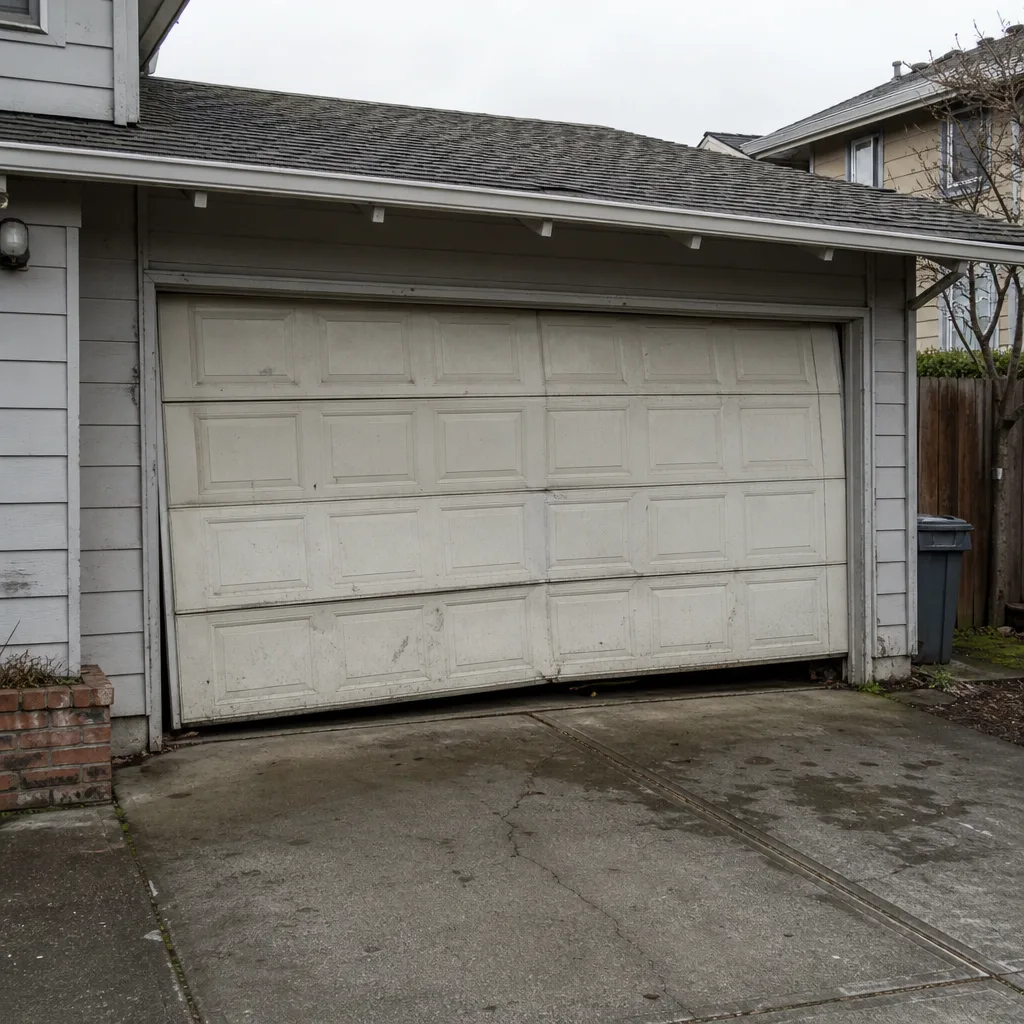 Before
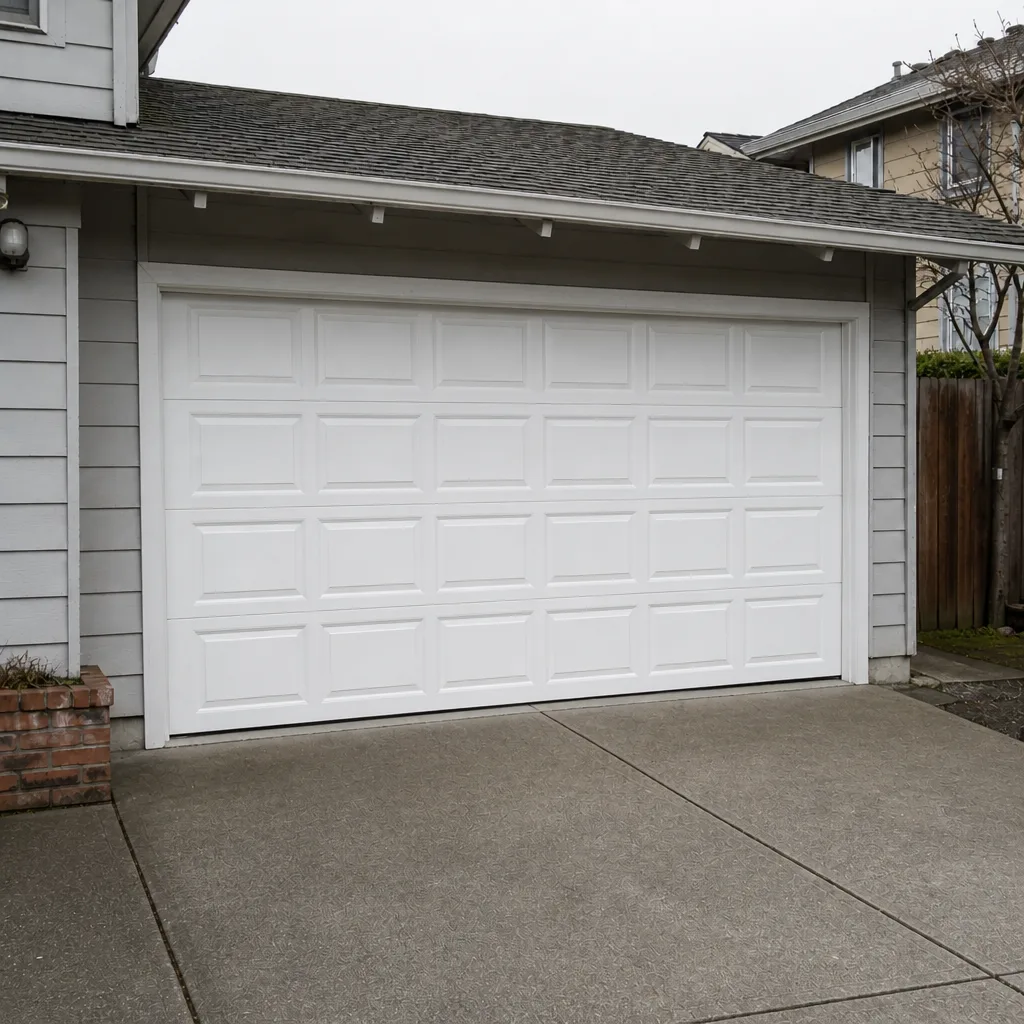 After
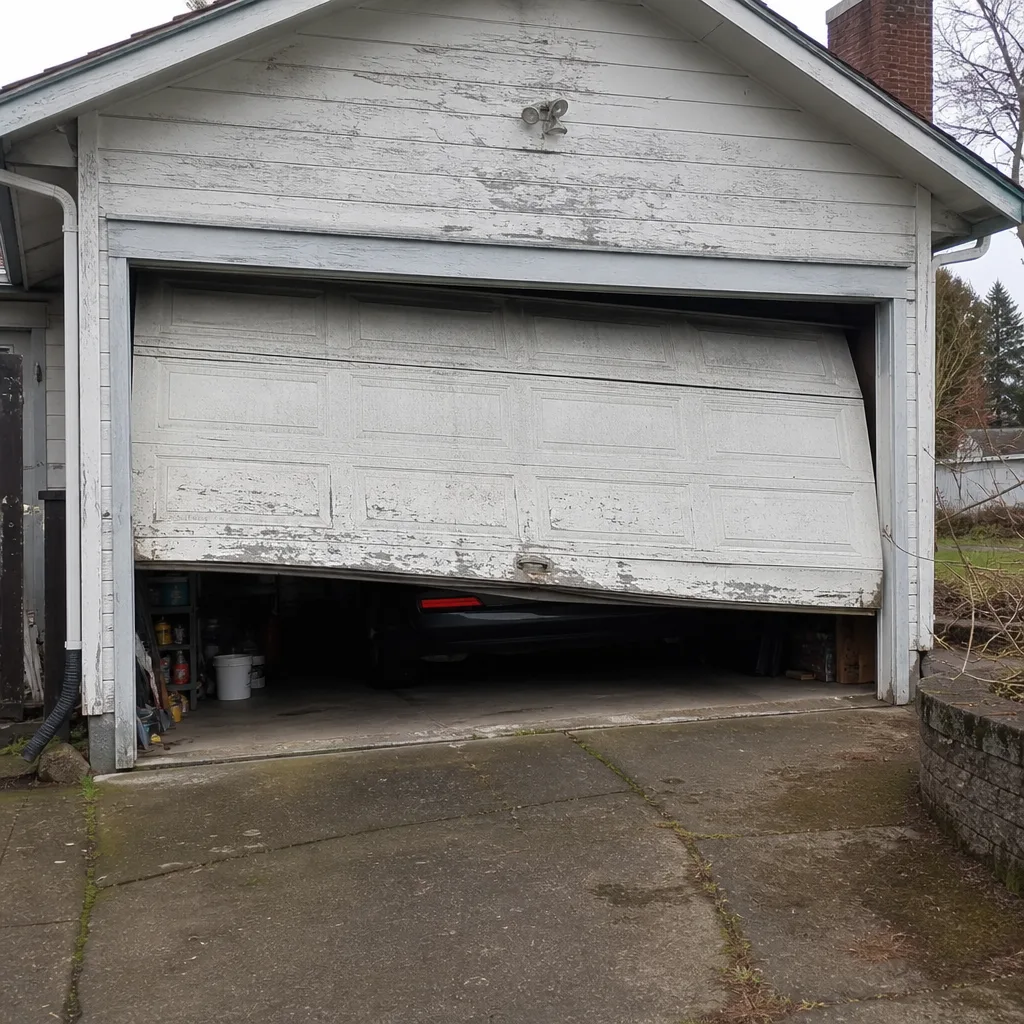 Before
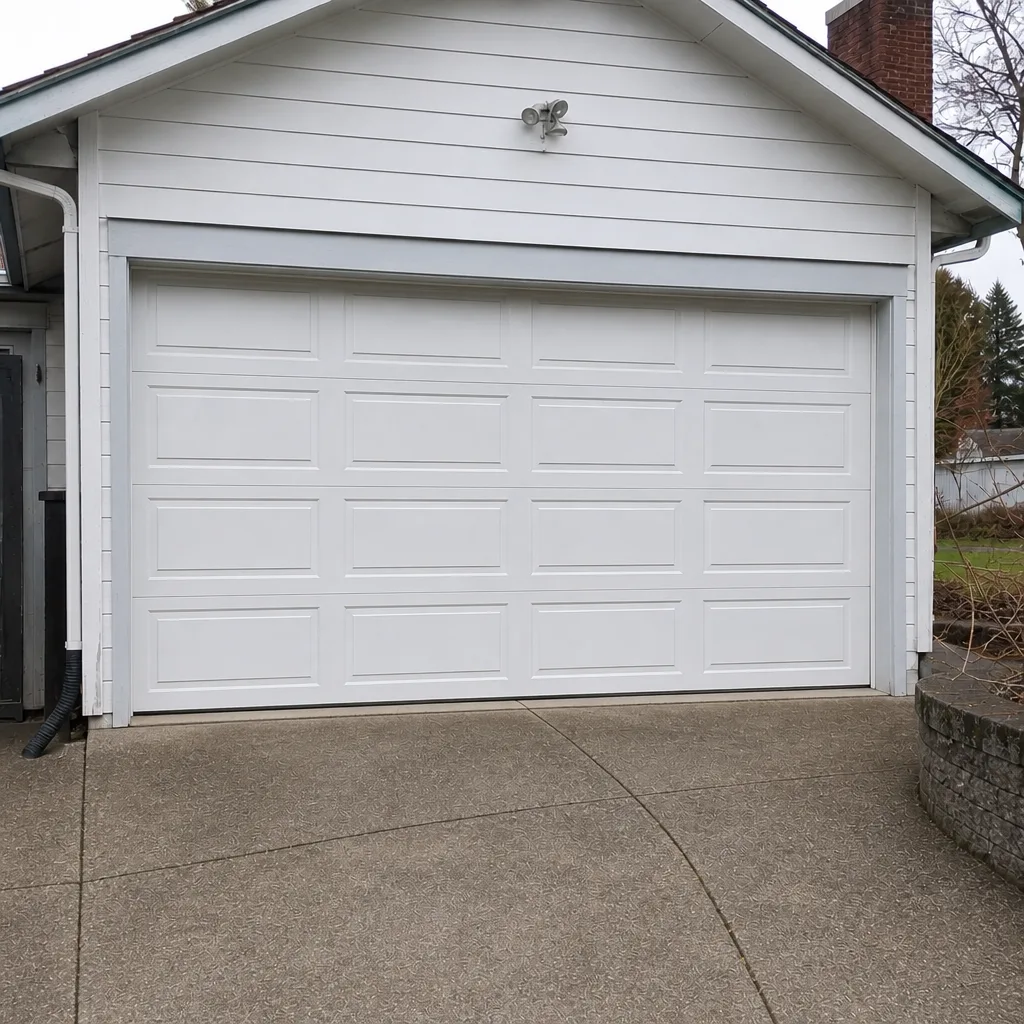 After
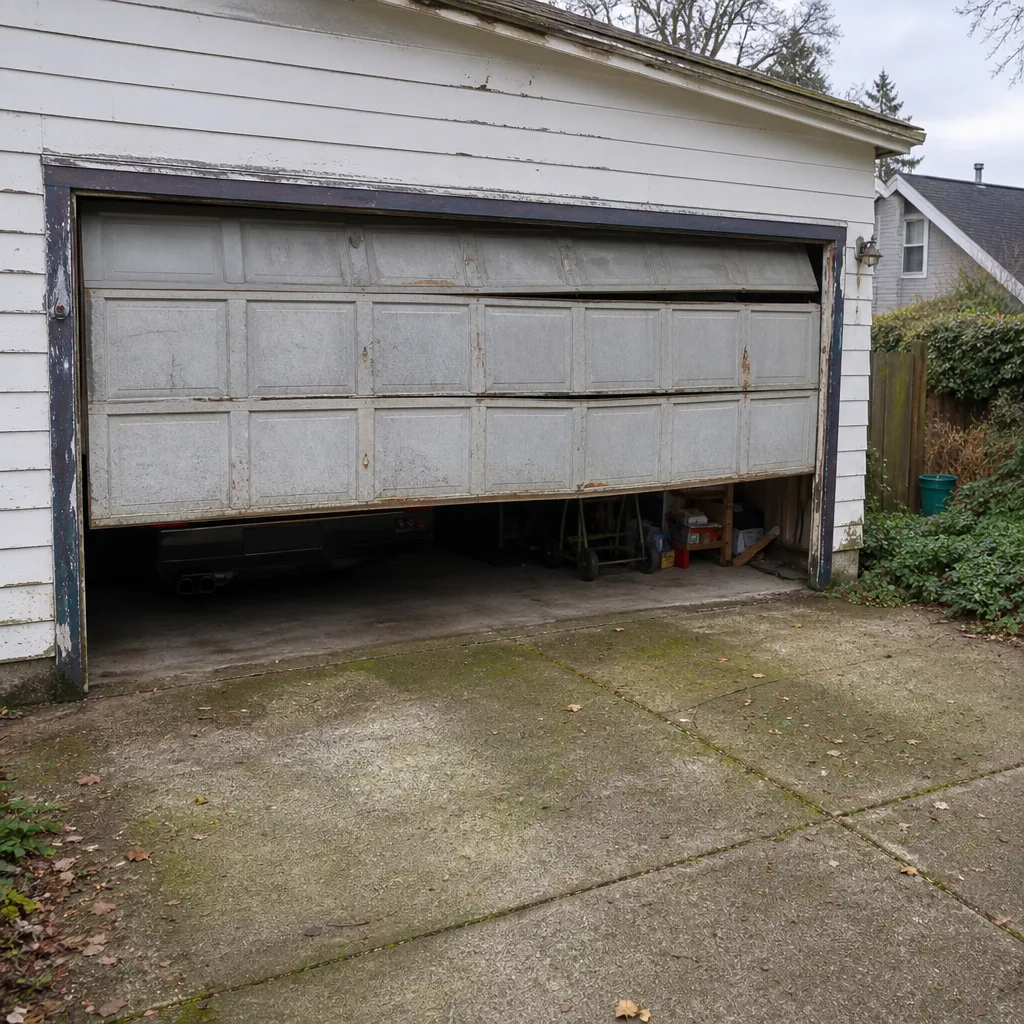 Before
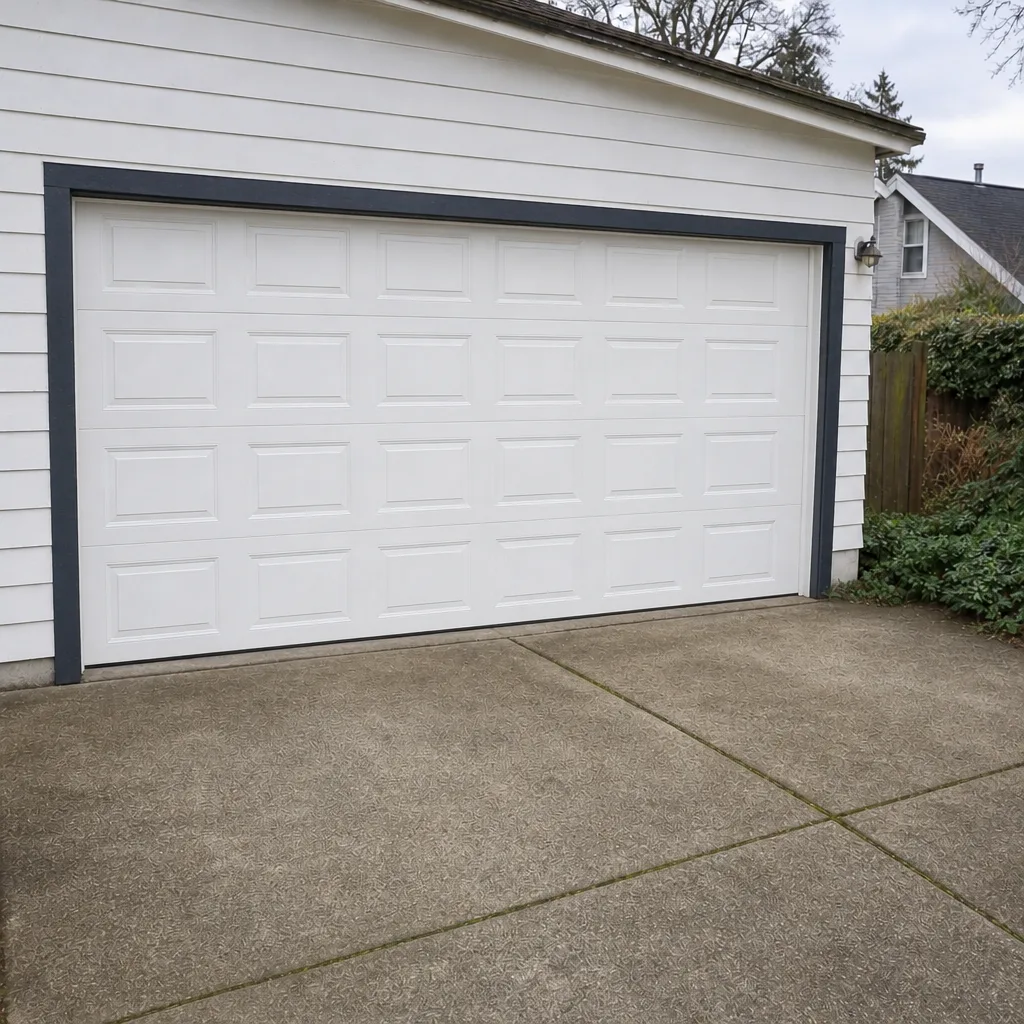 After