
Last updated November 14, 2026
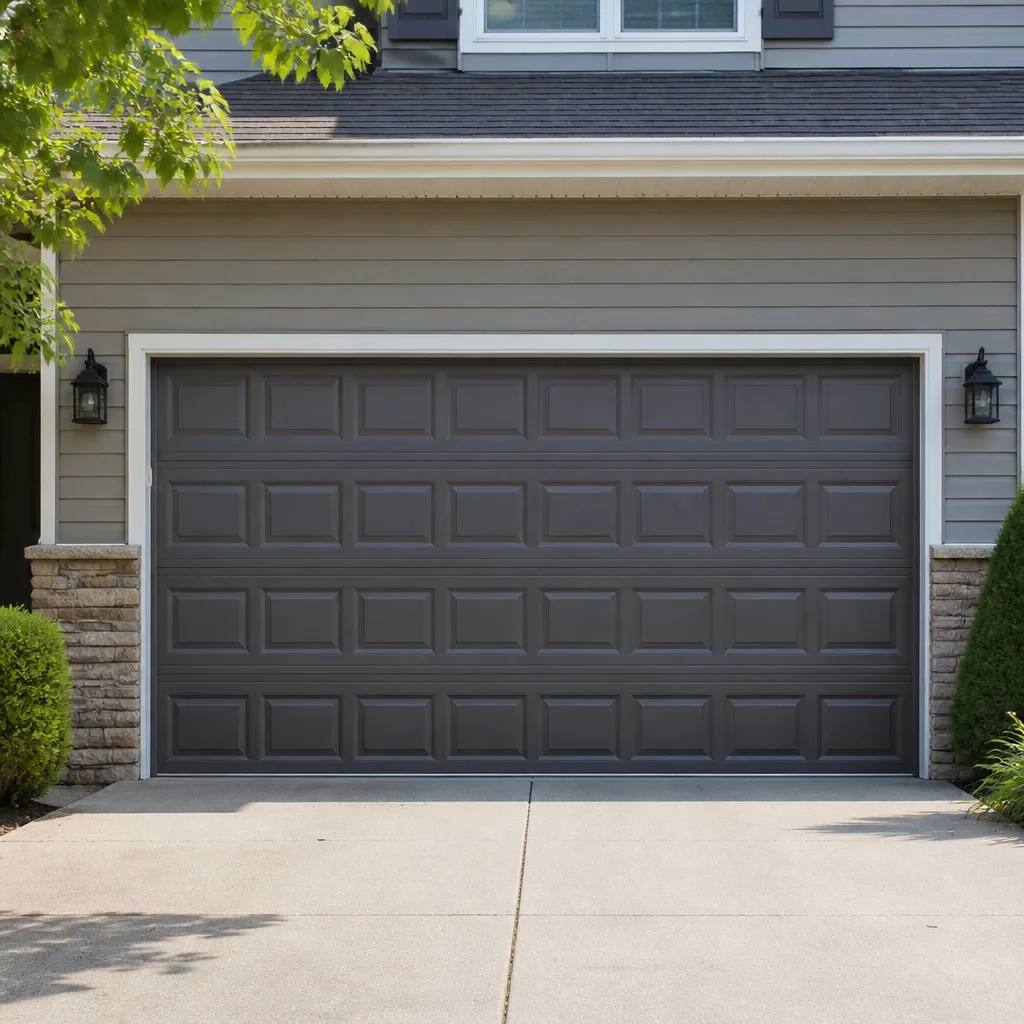 Raised-panel steel
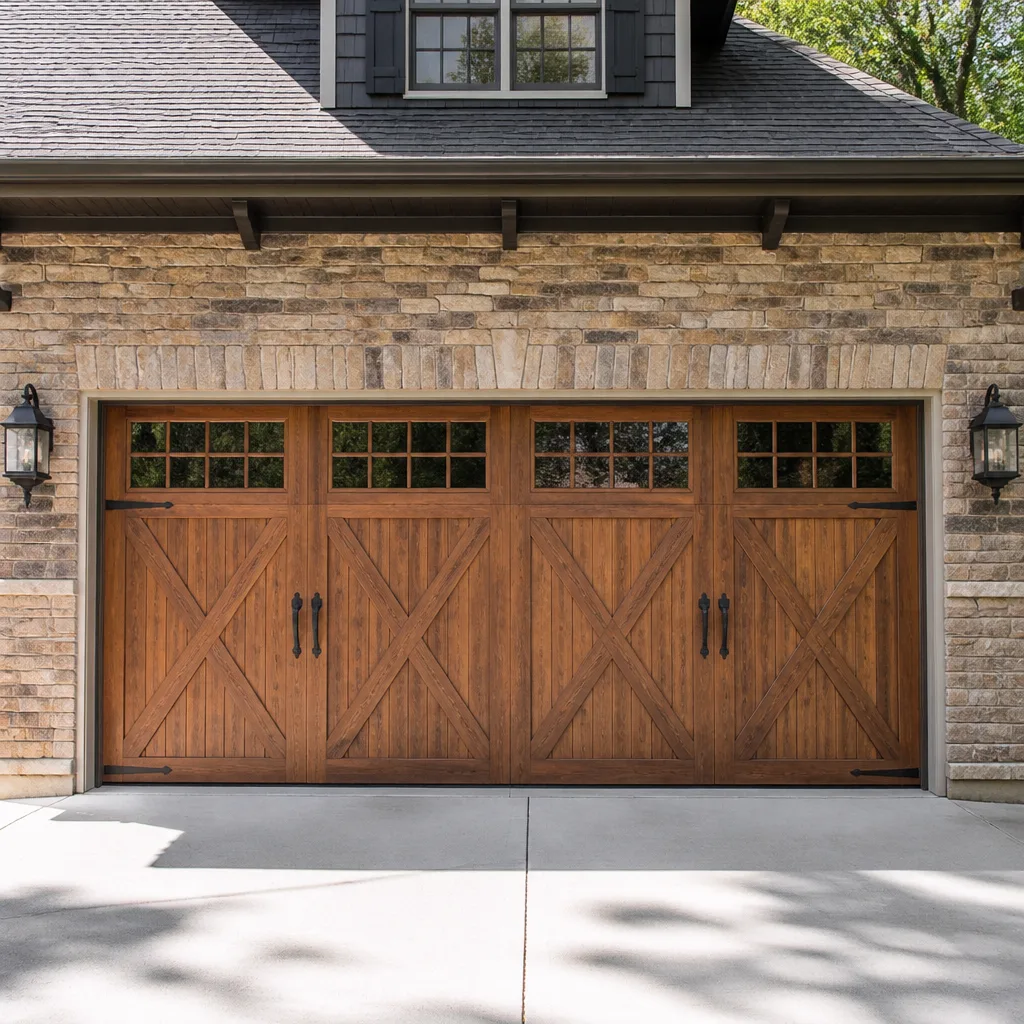 Carriage house
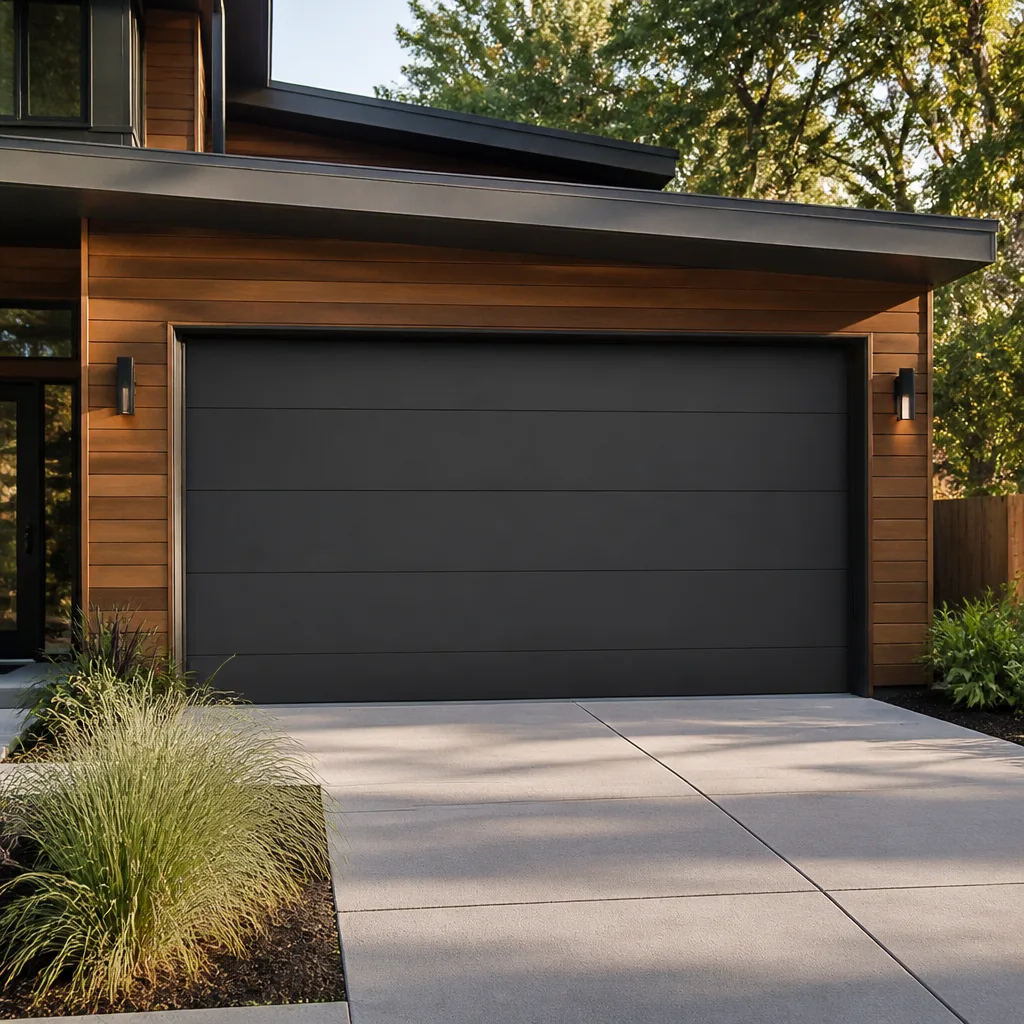 Modern flush
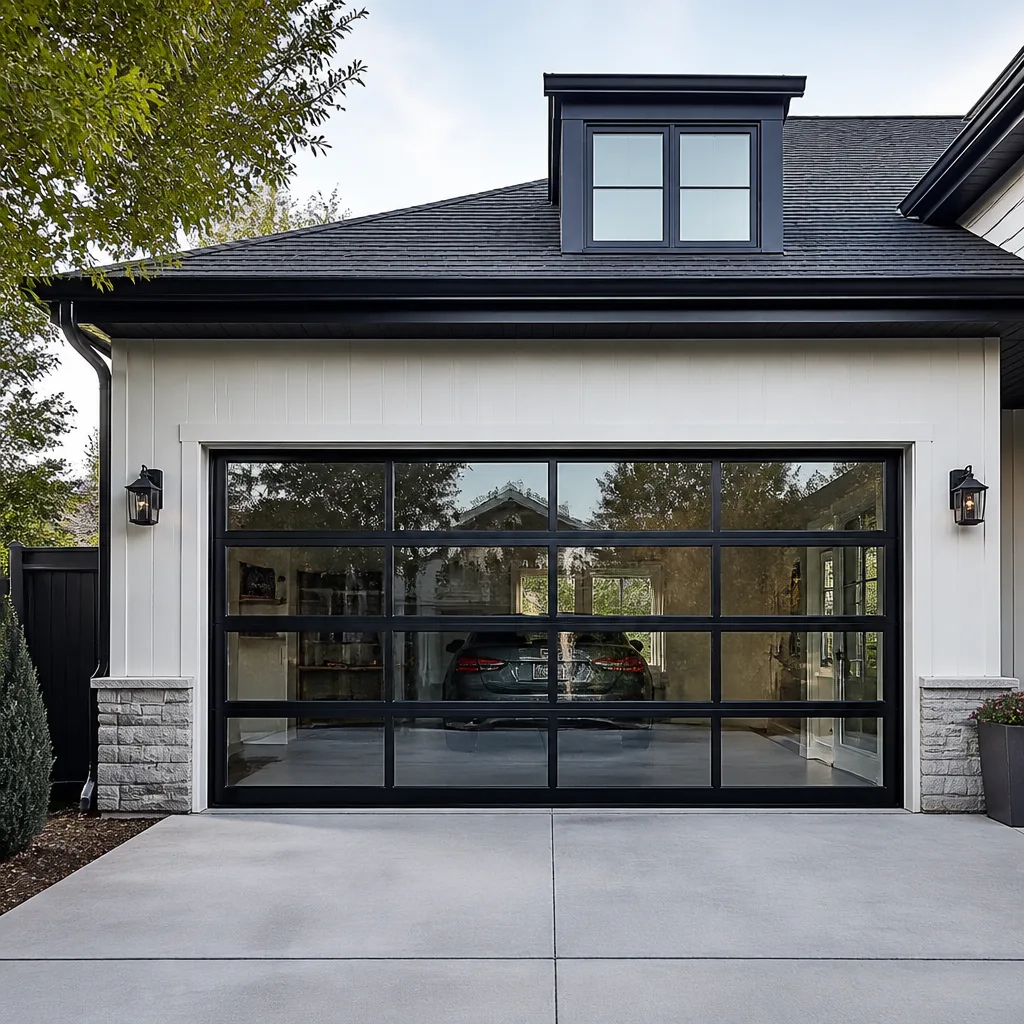 Full-view glass
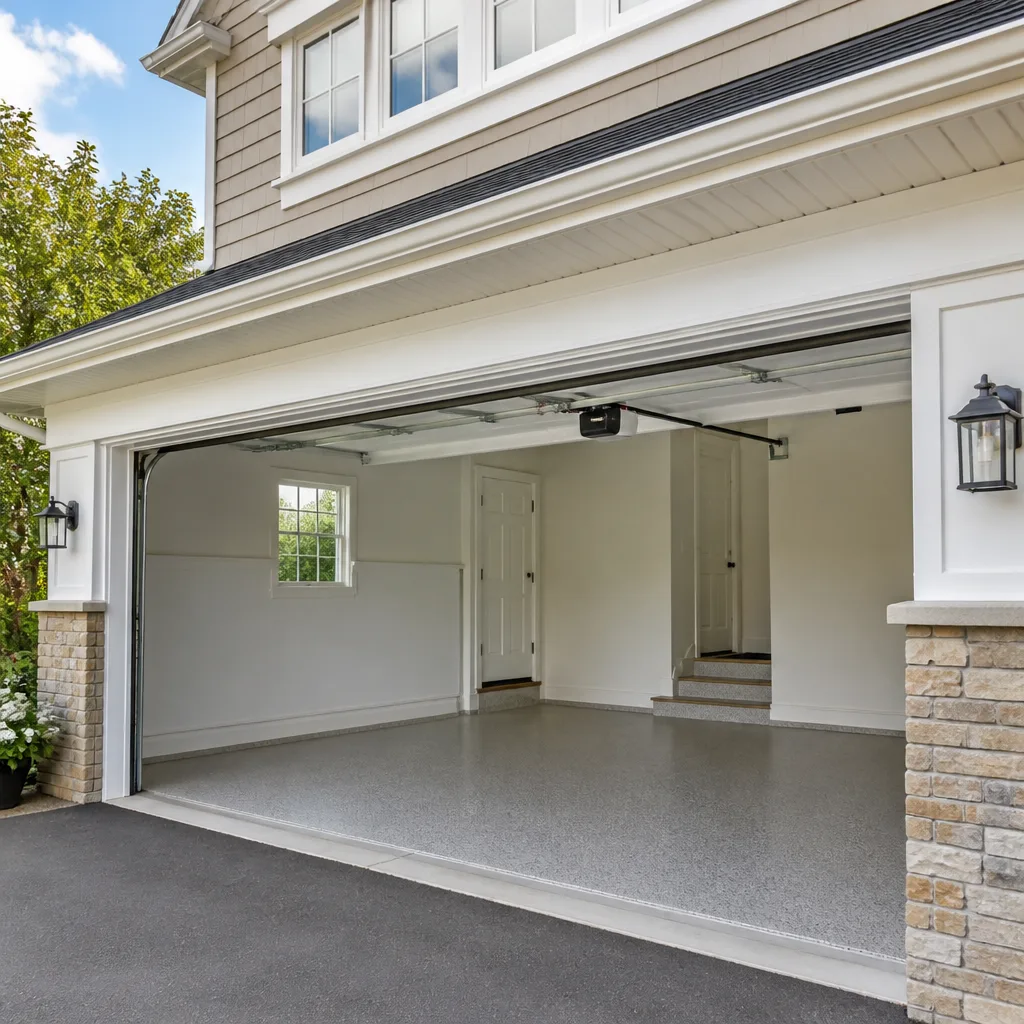 LiftMaster openers
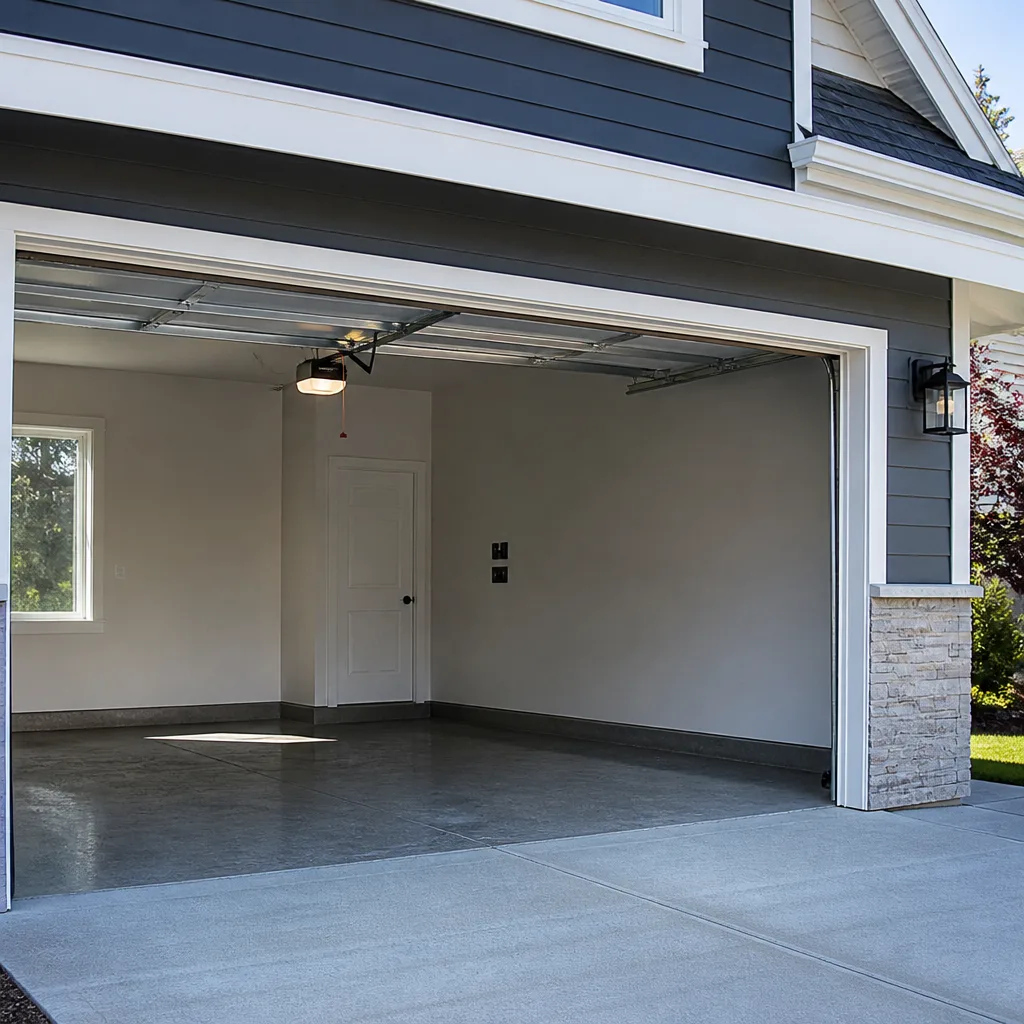 Chamberlain openers
Full 25-point door and opener safety check with every visit - springs, cables, rollers, tracks, and your LiftMaster or Chamberlain opener included
You get a price before we start. It does not change when the truck arrives.
Get your free estimateGarage Door Warning Signs: A Portland Homeowner’s Reference Guide
A garage door that closes noticeably slower than it did six months ago isn’t “just getting old.” It’s telling you one of four specific things, and three of those are inexpensive to fix while the door is still moving. The problem is that most of us rationalize small changes in sound and speed as normal aging, then get surprised when the door stops halfway up with the car trapped inside. This guide is built to break that habit. It attaches a likely cause and an urgency rating to each warning sign, explains how Portland’s damp, cool climate affects springs, cables, and hardware, and gives you a clear picture of what a healthy door actually looks, sounds, and feels like. We work on garage doors in Portland every week, and the difference between a $120 fix and a much bigger repair almost always comes down to whether the homeowner noticed early.
Quick Answer
The most important garage door warning signs are: a door that moves slower than it used to, grinding or scraping noises during travel, a door that reverses before closing, a visibly sagging top panel, and opener lights that flash in a code pattern. Any of those signals a specific mechanical or electronic failure you can catch early. Slow movement and flashing opener codes are usually the least urgent and least expensive to address. Grinding, a door that won’t stay balanced halfway open, or a cable that looks frayed are the “call today” category because they can lead to a sudden failure.
Styles & brands we work with
- Raised-panel steel
- Carriage house
- Modern flush
- Full-view glass
- LiftMaster openers
- Chamberlain openers
Table of Contents
- What a Healthy Garage Door Actually Looks, Sounds, and Feels Like
- The Symptom-to-Cause Matrix: What Each Warning Sign Is Telling You
- Decoding the Noises: Roller, Track, or Bearing?
- How Portland Humidity Attacks Springs and Cables Before They Break
- Reading Your Opener’s Behavior as a Diagnostic Signal
- “Monitor It” vs. “Call Today”: Rating Urgency Without the Upsell
- A Seasonal Walk-Around for Portland Homes
- Common Mistakes to Avoid
- When to Call a Professional
- Frequently Asked Questions
What a Healthy Garage Door Actually Looks, Sounds, and Feels Like
Most homeowners have never established a baseline, which is why gradual decline goes unnoticed until something fails. A correctly functioning door gives you very little to notice, and that quiet is the point. Spend two minutes checking this once and you’ll have a reference point for every month that follows.
What it should sound like: A low, even hum from the opener motor and a soft roll of the panels moving along the track. No squeal, no rattle, no grinding at any point in the travel. The moment the door starts up or down, the sound should be consistent, not louder in one section than another.
What it should feel like: With the opener disconnected (most have a manual release pull), a balanced door should lift with one hand and stay open roughly three to four feet off the ground without drifting down on its own. If it drops, the spring tension has weakened.
What it should look like: Even panel gaps on the left and right, straight horizontal lines, no daylight showing through the middle of the door when it’s closed, and a track that runs parallel to the door frame without bowing. Cables should sit tight inside the drums on each side with no visible fraying or bird-caging.
In our experience working on garage door repair across Portland, the doors that fail suddenly are almost never the ones the homeowner was watching carefully. They’re the ones nobody looked at for a year. If you write one thing down from this guide, write down what your door sounds like on a normal day. Everything after that is comparison.
The Symptom-to-Cause Matrix: What Each Warning Sign Is Telling You
Warning signs cluster around a small number of mechanical causes. The table below pairs each common symptom with its most likely cause and an honest urgency rating. “Low” means watch it and address it at your convenience. “Medium” means book it in the next week or two. “High” means stop using the door and get it looked at before it fails on you.
| Symptom | Likely Cause | Urgency |
|---|---|---|
| Door closes slower than it used to | Spring tension loss or opener gear wear | Low to Medium |
| Grinding sound during travel | Worn rollers, misaligned track, or dry bearing | Medium |
| Door reverses before closing | Safety sensor misalignment or obstruction | Low |
| Opener light flashes in a pattern | Opener fault code (sensor, travel limit, or logic board) | Low to Medium |
| Door won’t stay open halfway | Broken or weakened spring | High |
| Visible fraying or kink in a cable | Cable wear or drum misalignment | High |
| Sagging top section or bowed panels | Structural fatigue or impact damage | Medium to High |
| Door goes up a few inches and stops | Spring failure or opener travel limit setting | High |
| One side lifts before the other | Unequal spring tension or a broken cable | High |
The pattern to notice is that “monitor” symptoms usually show up as a change in sound or speed, while “call today” symptoms show up as a change in balance or structural position. That distinction holds up whether your door is an Amarr, a Wayne Dalton, or anything else.
Decoding the Noises: Roller, Track, or Bearing?
The single most common noise complaint we hear is “it’s grinding.” Grinding can come from three distinct sources, and each has a different fix and a different urgency. Ruling out which one is happening is simpler than most homeowners expect.
- Rollers. Listen for a rhythmic, repeating squeak or grind that happens several times per door travel. Each set of rollers contacts the track at a cadence. If the sound repeats steadily and at the same points in the cycle, worn or dry rollers are the likely cause. This is often a low-cost fix, and it’s usually the cheapest noise to address.
- Track misalignment. Listen for a scrape or a sudden jump in the door at one specific section of travel. If the noise only happens when the door passes one particular height, the track has probably been bumped, bowed, or loosened. Track issues can escalate into a roller jumping the track, so this is a “book it soon” category.
- Bearing failure. Listen for a grinding that feels like it’s coming from inside the opener or through the torsion bar, and often get a humming or straining sound from the motor itself. Bearing wear is the noisiest and the one that most affects the door’s long-term health. This one moves to the front of the queue.
A practical test: stand under the door with the opener disconnected and roll it manually, up and down a few inches at a time, listening. If the sound comes from the roller-to-track contact, it’s a roller or a track. If it comes from above you at the torsion bar, it’s likely the bearing or the spring. If it comes from the opener housing itself, it’s the opener’s gear or bearing assembly.
Springs, torsion bars, and cables are under very high tension and can cause serious injury if handled without the right tools and training. Don’t attempt to adjust or replace anything on that side of the door yourself. A trained technician can diagnose and repair it safely in minutes, and we’d rather you call about a small noise than risk a serious injury trying to fix it. For any opener-specific noise or fault, we handle garage door opener repair on the most common residential systems, including LiftMaster, Chamberlain, Genie, and Craftsman.
How Portland Humidity Attacks Springs and Cables Before They Break
Portland’s damp, cool climate doesn’t destroy metal components overnight. It works on them slowly, through coating wear, condensation cycles, and the kind of seasonal swing where you can go from a wet week to a dry sunny day in a matter of hours. That’s the condition that turns a good-looking spring into one with hairline rust creeping into its wire, or a cable with a nick in its sheath into one that finally binds and snaps.
What to look for, in plain terms:
- Spring coating. Look at the coil of the torsion spring above the door. It should be evenly coated in oil or a clean finish with no rust creeping around the wire. Rust lines on a spring mean moisture has gotten under its outer coating, and a rusty spring is a weak spring.
- Cable sheathing. The cable running up each side of the door should sit snug inside its drum with no kinks or bird-caging. A small nick in the outer sheath is a warning that the inner wire can start to fray. Frayed cable is a “call today” item.
- Hinges and rollers. Hinges and pivot points can stiffen as the air turns cold and damp. If the door is noticeably harder to move by hand in December than it was in September, the hardware needs attention.
- Bottom seal and weatherstripping. Winter rain and standing moisture wear the bottom seal down. A cracked or flattened bottom seal lets water in and can throw off the door’s close.
What’s easy to overlook is that Portland’s worst humidity damage isn’t dramatic. It shows up as a slight rhythm change in how the door sounds, or a millimeter of sag you’d only catch if you compared one month to the next. That’s exactly why we recommend a seasonal walk-around (below). It’s the cheapest way to catch a spring on the way out instead of after it gives.
Reading Your Opener’s Behavior as a Diagnostic Signal
Opener changes get misread as “the motor is going bad,” when in most cases the motor is fine and it’s either the sensor system, the travel limit, or the logic board telling you something. When an opener behaves differently than it did in the past, it’s giving you a specific piece of information, not a random malfunction.
Slow operation. A door that moves visibly slower than it used to can come from spring tension loss on the door itself (the opener has to work harder to lift the weight) or from gear wear in a unit that’s been strained. The door is usually the cause, not the opener. Either way, slow operation is a “diagnose soon” symptom.
Reversals before closing. If the door goes partway down and reverses, the safety sensors are almost always the cause. Look for one of the sensor lights on each side of the door. A sensor that’s been nudged off alignment, has a leaf caught in its beam, or has a dirty lens will do exactly this. It’s usually a quick fix and proves the safety system is doing its job.
Flashing light codes. Modern openers use the light on the motor to flash a sequence when something’s wrong. That sequence is a code the manufacturer uses to point at the problem: a sensor issue, a travel setting, a logic board fault, or a blocked obstruction. The code is what tells you which. Make a note of how many flashes you see and check the opener’s manual, or call us and tell us the flash count. It’s much faster to diagnose from a code than from a guess.
Remote or wall button inconsistency. If the door opens from one button but not the other, or works from close range but not from across the street, that’s usually a remote battery, a range issue, or a wall console problem. Not an emergency, but worth solving before the one button that works fails too.
We diagnose these on all the common smart and standard platforms. Whether your door is running a LiftMaster or a Chamberlain, a Genie or a Craftsman, the process starts with reading the actual code rather than swapping parts. That repair-first approach is the whole reason we carry diagnostics for these systems under one roof, so you’re not calling a different company for the door and another for the opener. If you’re already used to seeing us around Shoreline Garage Door Service neighborhoods, this is exactly the kind of call you’d be making.
“Monitor It” vs. “Call Today”: Rating Urgency Without the Upsell
The most useful skill this guide can give you is knowing when to wait and when to call. The temptation to over-repair is real in any trade, and the temptation to ignore a small problem is just as real. Here’s how we sort the two categories, with no sales pressure attached.
Monitor-it signs. These are changes that are worth watching but that won’t turn dangerous on their own:
- A slightly slower close.
- A faint squeak on one part of the travel.
- An opener light code that you can decode as a sensor issue.
- A remote that needs a new battery or a closer press.
- A door that feels slightly heavier than before, but stays balanced.
Call-today signs. These are changes that can escalate into a sudden failure, damage property, or create a safety risk:
- Any noise that sounds like metal grinding against metal.
- A door that won’t stay open on its own.
- One side of the door rising before the other.
- A visible gap between the door and the frame when closed.
- A frayed or bird-caged cable.
- A door that stops a few inches up and won’t move.
- Anything that’s happened suddenly and changed the door’s balance, not just its sound.
Right in the middle is where most homeowners actually live: a modest squeak, an occasional reverse, a door that’s a bit heavier than it was. That’s the point where a quick diagnosis is worth it, not because the door is about to fall down, but because a small issue caught now is simpler and less expensive to repair than the same issue caught after a failure. A written estimate tells you what’s actually wrong before you commit to anything.
A Seasonal Walk-Around for Portland Homes
Portland’s wet winters and dry summers put the door through more of a cycle than homeowners in milder climates might expect. A short walk-around twice a year catches most of the changes described above while they’re still cheap to fix. It takes about ten minutes.
- Walk the perimeter. From inside the garage, look up at the torsion bar and springs. Note any rust, visible coating wear, or kinks in the cables.
- Look at the bottom seal. Check for cracks, flattening, or daylight coming through when the door is closed.
- Test the balance. Disconnect the opener with the manual release and lift the door about halfway. It should hold on its own. If it drifts down, note it.
- Listen to a full cycle. With the door disconnected, roll it up and down by hand and listen for where in the travel the sound changes.
- Watch the sensors. Close the door and confirm both sensor lights are on. Clear any cobwebs, leaves, or debris from the lenses.
- Note the opener’s flash pattern if the light gives you one. Take a photo of it.
- Check the track. Run your hand along the inside of the track on each side. It should feel smooth with no bowing or dings.
Do this in late fall before the rains settle in and again in early summer. What you’re looking for is change against last time, not perfection. If something changed from last visit and you can’t tell what caused it, that’s the point to book a diagnosis rather than wait. Our team works on Amarr doors, Wayne Dalton systems, and everything in between, so a diagnosis doesn’t depend on your door happening to be one particular brand.
Common Mistakes to Avoid
- Not establishing a baseline. If you never listen to your door on a normal day, you can’t tell whether it’s getting louder. Write down the sound, speed, and balance once, and compare from there.
- Assuming every problem means a new door. Most changes described in this guide are repairs on the door and hardware, not replacements. In our experience, a diagnostic-led repair is almost always the first step.
- Trying to adjust springs or cables yourself. These are the highest-tension parts on the door and can cause serious injury. Spring, cable, and torsion bar work should always go to a trained technician.
- Ignoring an opener fault code. If your opener is flashing a code, it knows exactly what’s wrong. Read the code or call us with the flash count rather than replacing the opener on a guess.
- Skipping a seasonal check because the door “seems fine.” Portland humidity works on springs and cables quietly. A twice-a-year look is how you catch something before it becomes a same-day call.
- Calling a different company for your brand. Doors and openers are one system. A technician who knows the door but not the opener is only covering half your problem.
- Repainting or sealing over a rust line. Rust on a spring or cable is a mechanical warning, not a cosmetic one. Treat it as information, not a stain.
When to Call a Professional
Call a professional the moment any of these shows up: a door that won’t stay balanced on its own, one side lifting before the other, a visible fray in a cable, or a grinding sound that stays consistent through one section of travel. Also call if your opener is flashing a code you can’t decode, if the door reverses more than once on the same close, or if a recent impact or bump changed how the door sits in the frame. If you’re not sure, call us and describe what you noticed. A quick phone conversation is free and tells you whether it’s a “watch it” or a “book it soon.” We diagnose on LiftMaster, Chamberlain, Genie, Clopay, Amarr, Wayne Dalton, Craftsman, and Raynor systems, and a technician can confirm what’s actually happening on your specific door rather than guessing from a generic symptom. Shoreline Garage Door Service offers free estimates in Portland. Call (866) 942-7741. We answer 24/7. Fast dispatch from 7am to 7pm, Sunday through Friday.
Frequently Asked Questions
A change in speed is the first warning sign most homeowners miss. If the door takes noticeably longer to open or close than it did a few months ago, that’s your cue to listen harder and check the balance. In Portland’s wet climate, that speed shift often points to spring tension loss or humidity-driven hardware stiffness before anything actually breaks. Call (866) 942-7741 if it’s changed in the last few months, and we’ll help you sort out whether it needs a visit. Estimates are free.
Grinding noise is only serious if it’s metal-on-metal and repeats through a section of door travel. A shared squeak is usually a worn roller. A grinding that comes from one specific height in the travel is often a track issue. A grinding that feels like it’s coming from inside the opener is a bearing concern. The difference between them matters because the urgency and fix are different for each. If you’re not sure which one you’re hearing, a quick diagnosis is cheaper than waiting for a failure. Call (866) 942-7741 for an exact quote, and estimates are free.
Not always. Flash codes usually point to something routine like a sensor misalignment or a travel limit setting. The code is telling you exactly what the opener thinks is wrong, which makes it easier to fix than a vague “it’s acting up.” Write down the flash count and either check the opener manual or call us. If the code points to a sensor, it’s often a same-day fix. If it points to logic board or motor issues, we’ll tell you on the phone before you commit. Call (866) 942-7741. We answer 24/7. Fast dispatch from 7am to 7pm, Sunday through Friday.
Portland’s damp air breaks down the protective coating on springs and cable sheathing slowly, letting moisture get under it and start rust or fray. You won’t see it as a dramatic event. You’ll see it as a rust line on the coil, a small kink in the cable sheath, or a slight change in how the door feels through its travel. Catching those signs early is why we recommend a walk-around in late fall and early summer. If you spot a kink or a rust line, call (866) 942-7741 for a written estimate, and we’ll tell you whether it needs a repair now or a check-in later.
We can often get to a stopped door the same day, depending on how the day is running. We answer 24/7, and we dispatch from 7am to 7pm, Sunday through Friday. A call outside those hours gets booked into the next opening. If your door won’t open at all, call first and describe what’s happening, and we’ll get you the soonest slot we have. For a slower-sign warning sign, book the next available diagnostic visit rather than a same-day call.
We work on eight of the most widely installed residential brands, so the odds are strong we’ve got your system covered. Our training covers LiftMaster, Chamberlain, Genie, Clopay, Amarr, Wayne Dalton, Craftsman, and Raynor doors and openers. That’s why one call can handle the door, the opener, and anything in between rather than splitting the job across contractors. If your brand is on that list, call (866) 942-7741 with your door or opener model number and we’ll let you know before we book anything.
The Bottom Line
Most garage door failures give you weeks of warning before they happen, in the form of a slower door, a new sound, a flashing light, or a door that won’t hold its balance. The homeowner who catches them is the one who took two minutes early on to notice what a healthy door sounds like. If you don’t have that baseline yet, set one today. If you’ve noticed a change recently, don’t rationalize it as getting old. Get it looked at. We’re proud to serve Portland’s homeowners across the eight brands we specialize in, and we’re happy to give you a written estimate that tells you exactly what’s going on before you commit. Call us at (866) 942-7741 for a free estimate.
Written by the team at Shoreline Garage Door Service, serving Portland since 2016.
See the difference
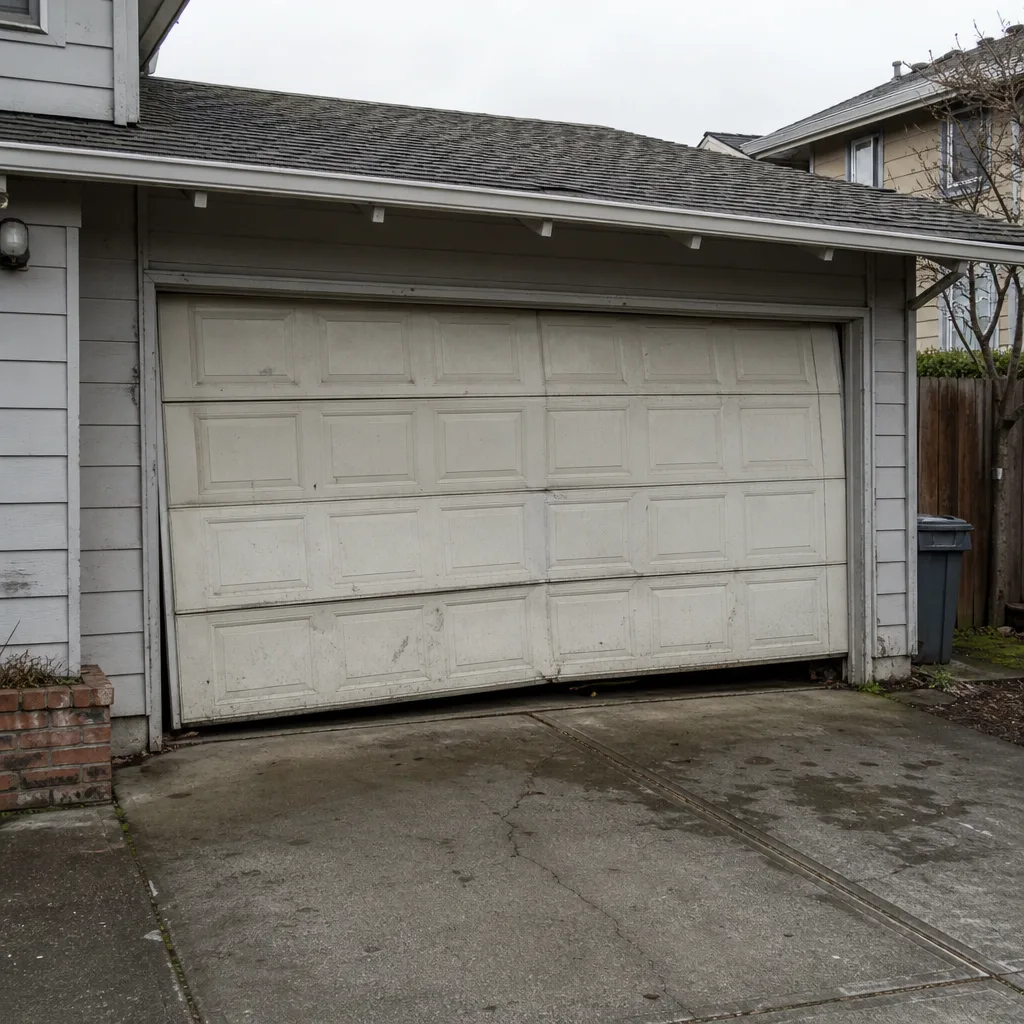 Before
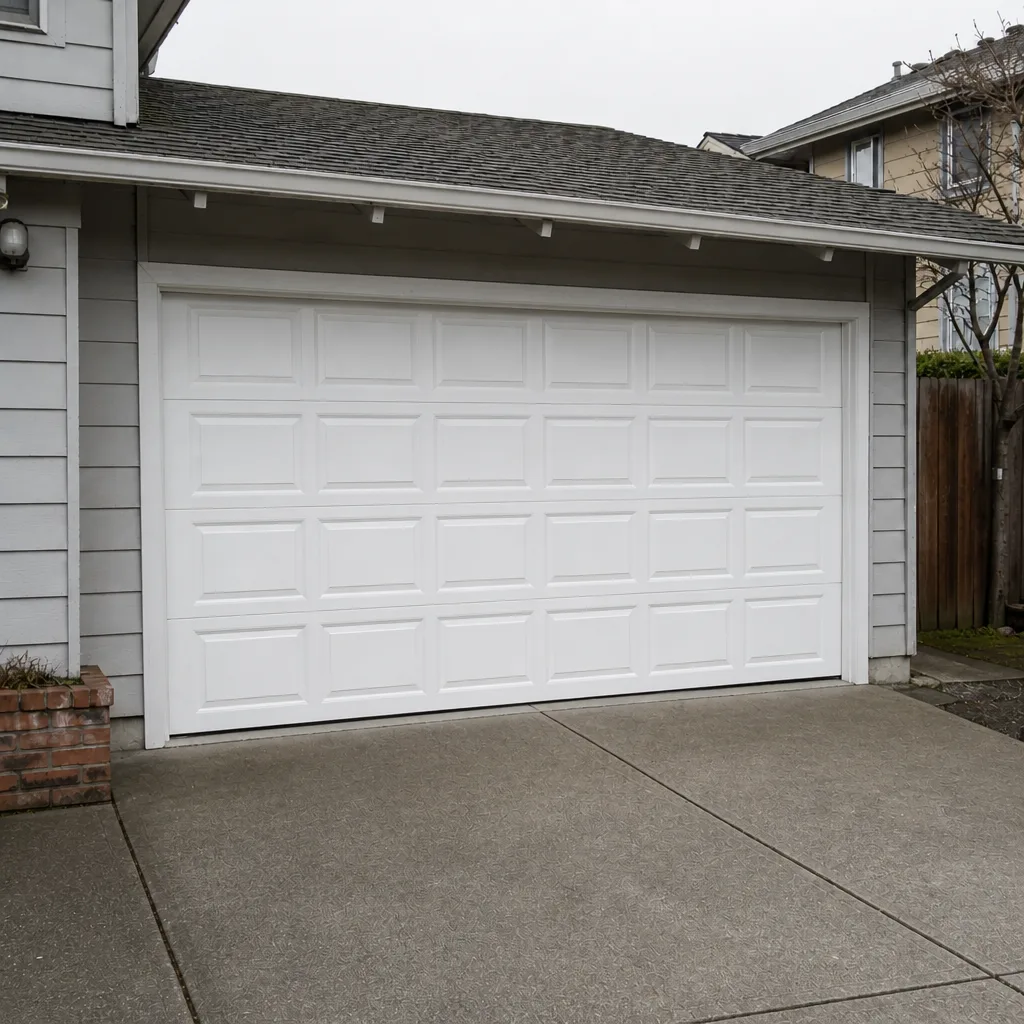 After
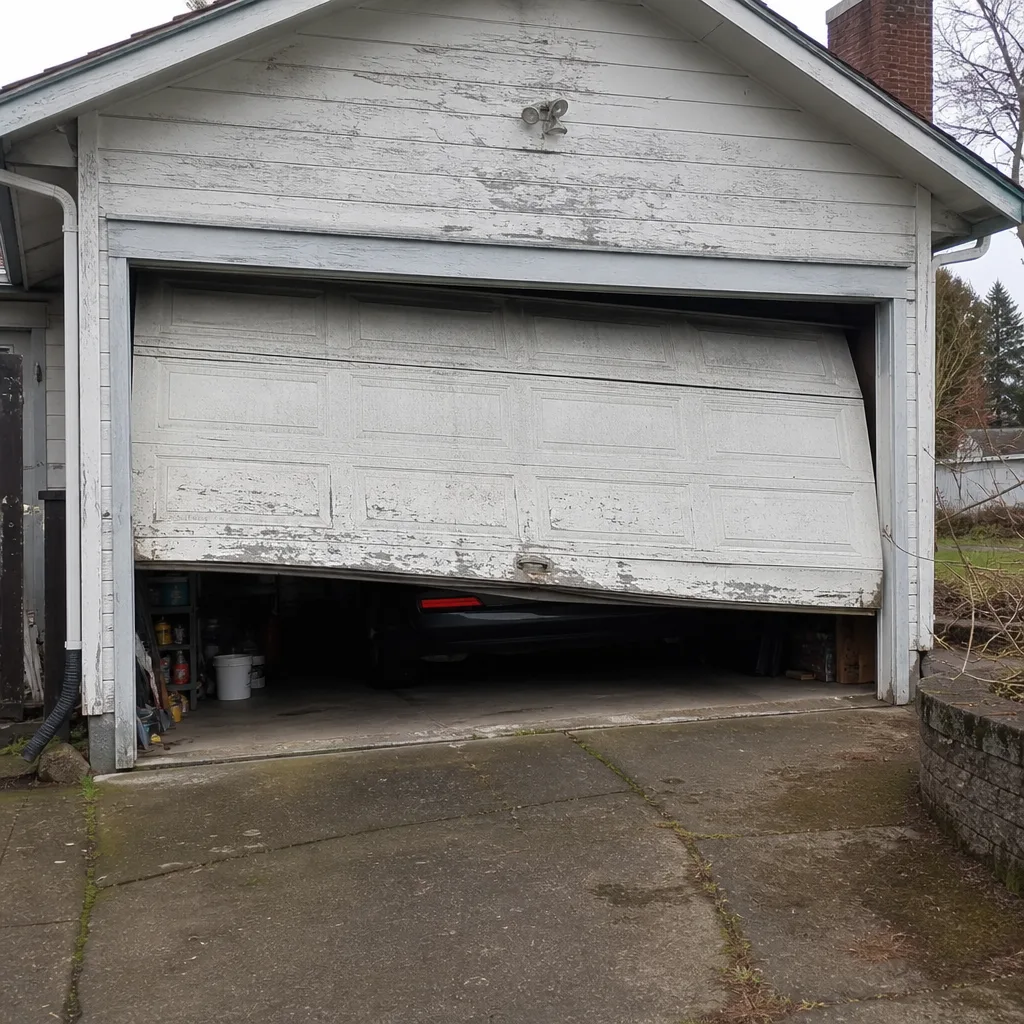 Before
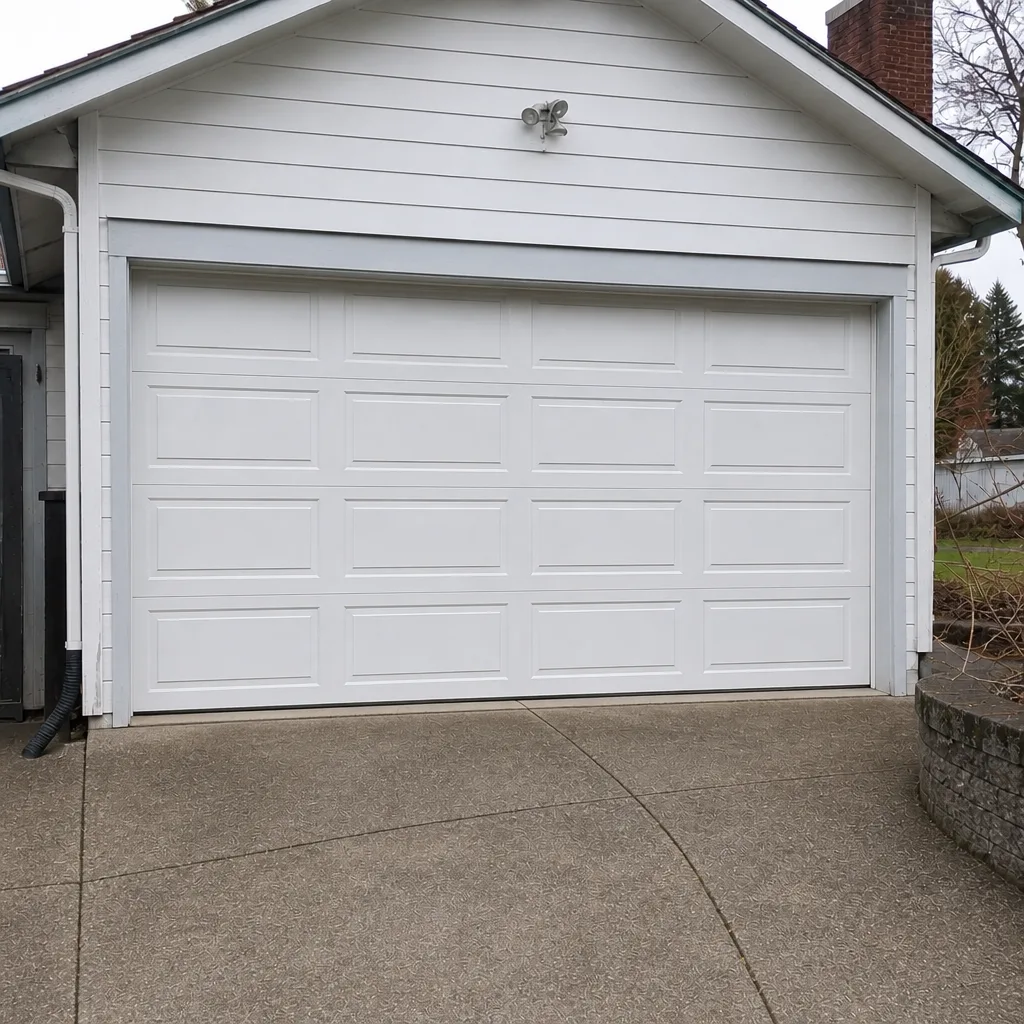 After
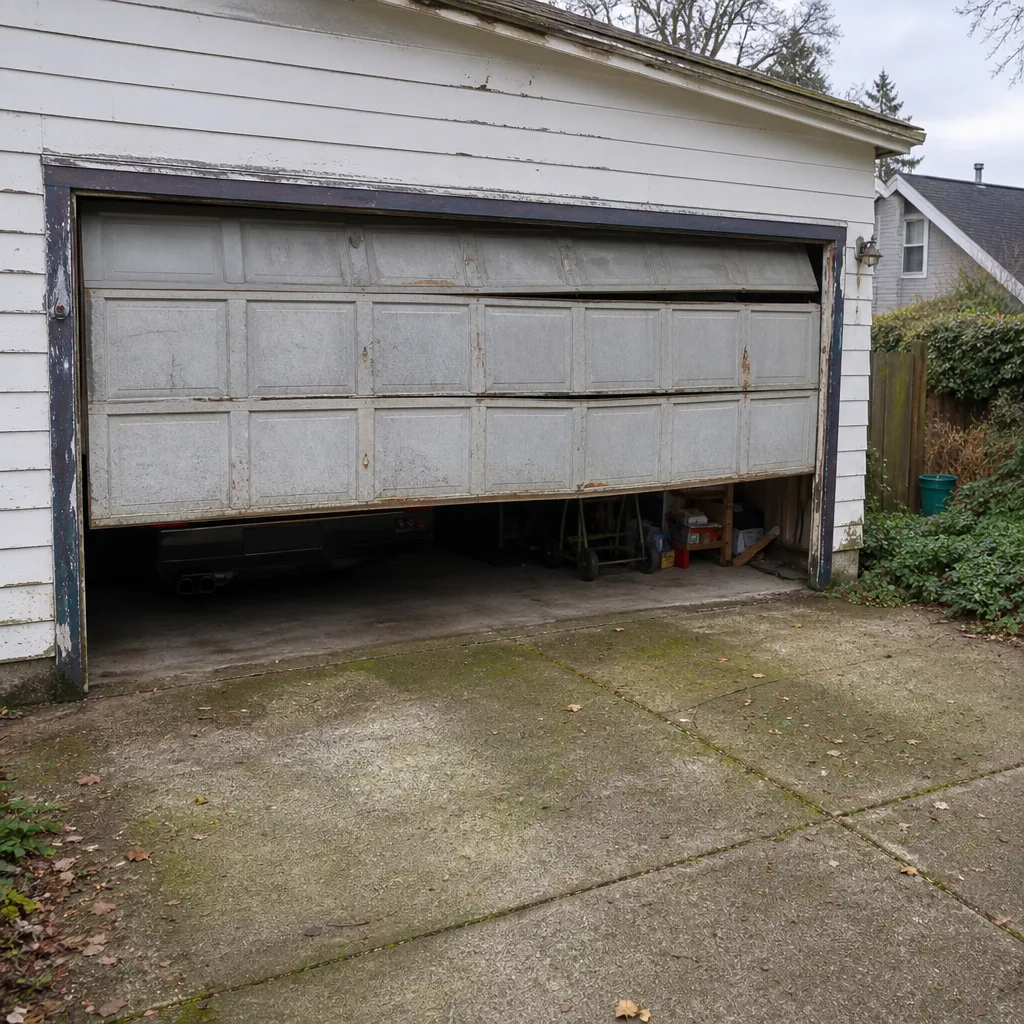 Before
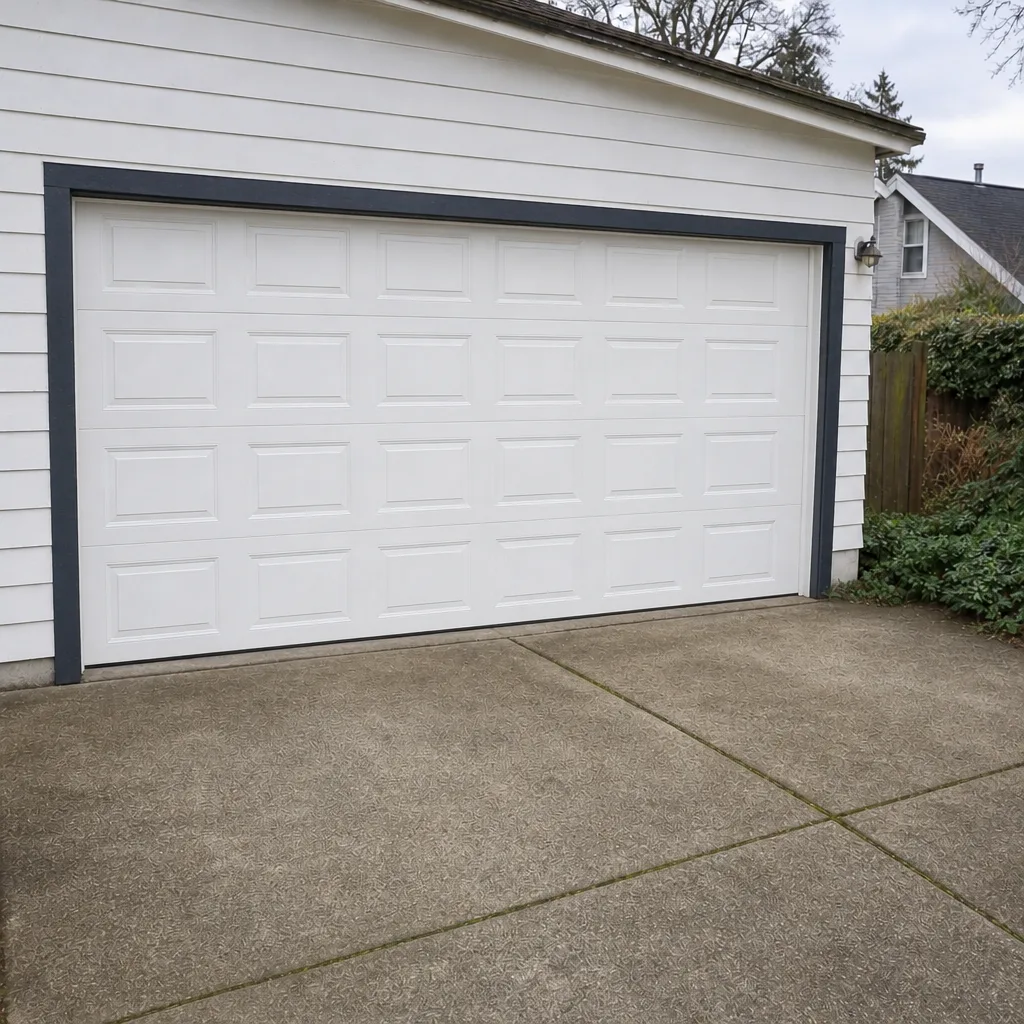 After